Embrace Reiki for Holistic Relaxation and Wellness
Understanding Reiki as an Energy Healing Practice
Reiki is a Japanese energy healing technique centered on channeling universal life force energy, known as "ki," through gentle touch or hand hovering. Practitioners serve as conduits to help clear energy blockages, promote balance, and restore harmony within the body, mind, and spirit.
Reiki's Role in Relaxation and Wellness
By activating the body's natural relaxation response, Reiki induces a profound sense of calm and tranquility. It aids in stress relief, emotional balance, and offers complementary support to physical healing processes. Many clients report enhanced sleep quality, reduced anxiety, and a heightened sense of overall wellbeing following Reiki sessions.
Combining Reiki with Relaxation Techniques
Integrating Reiki with other relaxation practices such as mindfulness meditation, breathwork, or gentle yoga enhances its benefits. This holistic approach fosters deeper relaxation, improved body awareness, and accelerates healing, making Reiki a valuable addition to personalized wellness routines focused on natural, non-invasive care.
Key Facts about Reiki and Progressive Muscle Relaxation
- Progressive Muscle Relaxation (PMR) is a structured method involving systematic tensing and releasing of muscle groups to reduce stress and enhance physical relaxation.
- Reiki, a Japanese energy healing practice, enhances therapeutic effects of PMR by promoting energetic balance and deeper relaxation through channeling universal life force energy.
- Combining Reiki with PMR amplifies stress relief, reduces muscle tension, alleviates anxiety, and improves sleep quality and mental clarity.
- Reiki meditation integrates traditional meditation with Reiki energy channeling, using sacred symbols and hand placements to foster emotional balance, heightened awareness, and spiritual growth.
- Reiki-supported breathwork activates the parasympathetic nervous system more effectively than breathwork alone, promoting profound physical and mental relaxation.
- Chakra-focused Reiki sessions balance the seven main energy centers to clear blockages, promoting emotional release, stress reduction, and enhanced mental clarity.
- Self-Reiki is a non-invasive, accessible practice empowering individuals to direct healing energy to themselves for anxiety relief, insomnia reduction, and ongoing stress management.
- Reiki therapy significantly reduces anxiety and insomnia by calming the nervous system, lowering cortisol, and promoting deeper restorative sleep, as supported by clinical research.
- The five principles of Reiki—avoid anger, worry; cultivate gratitude, honesty, and kindness—serve as daily guides for emotional regulation and mental clarity.
- Reiki is a safe complementary therapy with no known serious side effects; mild sensations during sessions are normal and reflect energetic and emotional healing processes.
1. Progressive Muscle Relaxation Enhanced by Reiki Energy
What is progressive muscle relaxation?
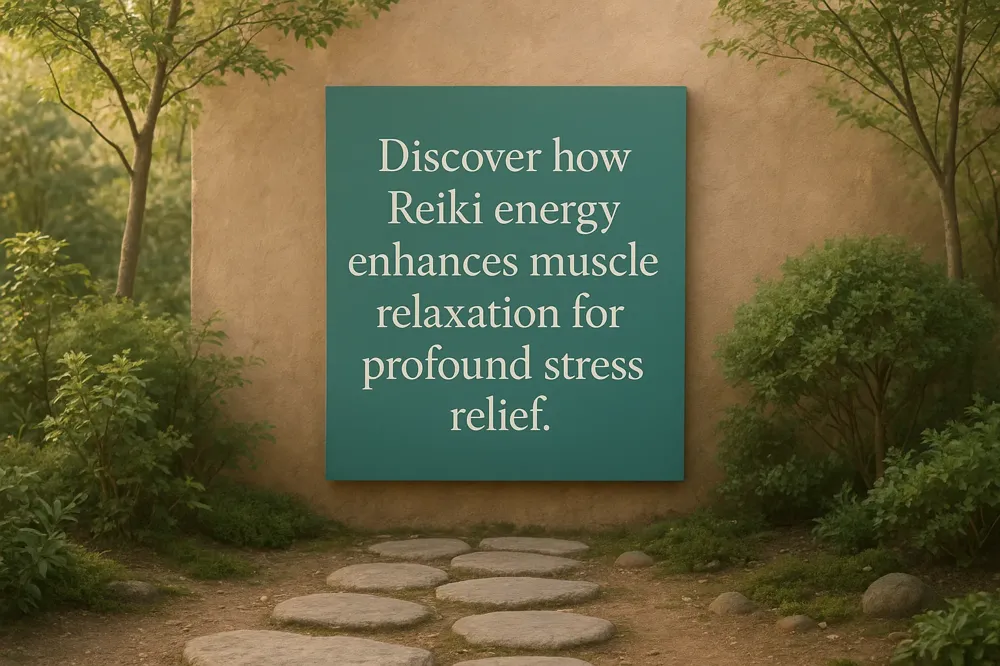
Progressive muscle relaxation (PMR) is a structured relaxation method where you systematically tense and then release specific muscle groups throughout the body. This technique is designed to increase your awareness of muscle tension caused by stress and promote profound physical relaxation. Typically, PMR sessions involve tensing muscle groups—starting from the hands and forearms, progressing through the arms, shoulders, face, chest, and down through the legs and feet—holding tension briefly before releasing it to experience relief. For more on related relaxation techniques, see How to Relax.
How Reiki complements PMR
Reiki, a gentle Japanese energy healing practice, enhances the benefits of PMR by fostering the flow of subtle life energy (known as Ki energy) throughout the body. While PMR focuses on physical muscle release, Reiki supports this process by promoting energetic balance and heightened body awareness. During a combined session, Reiki's hands-on or near-body placement encourages relaxation at deeper energetic and emotional levels, reinforcing the muscle relaxation achieved through PMR. Learn more about Reiki techniques for muscle tension.
Benefits of combining PMR and Reiki
Integrating Reiki with progressive muscle relaxation offers amplified stress relief and muscle tension reduction. This combination not only alleviates physical discomfort such as tightness and headaches but also nurtures the nervous system’s natural relaxation response. It helps diminish anxiety and mental clutter by fostering emotional release and calm focus. Regular practice can lead to improved sleep quality, enhanced mental clarity, and a holistic sense of wellbeing, making it a powerful, non-invasive approach well suited to spa clients seeking natural and personalized relaxation therapies. Discover more about Reiki for stress relief and Reiki healing practice.
2. Guided Reiki Meditation to Cultivate Inner Peace and Clarity
What Is Reiki Meditation?
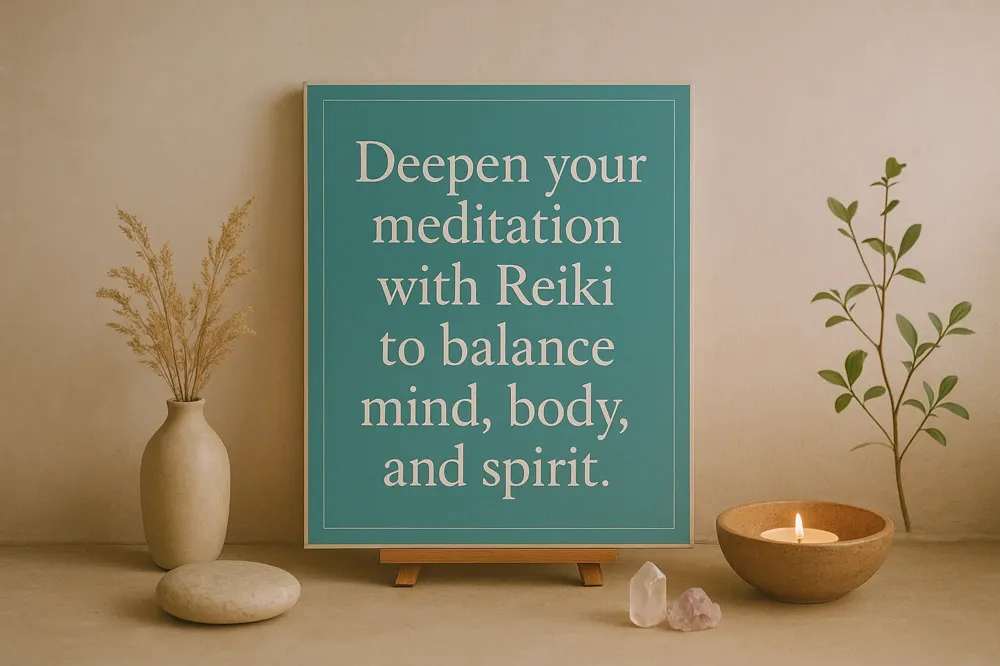
Reiki meditation is a practice that combines traditional meditation with the channeling of universal life force energy (Reiki) to promote healing and balance. It involves focusing inwardly on the flow of Reiki energy within and around oneself, facilitating relaxation and spiritual connection.
Techniques in Reiki Meditation
One foundational technique is the use of Using Reiki symbols in meditation. These sacred symbols are often drawn on the hands or visualized mentally during meditation to help channel and amplify healing energy. Common symbols include Cho Ku Rei (Power Symbol), Sei Hei Ki (Emotional Symbol), and Hon Sha Ze Sho Nen (Distance Healing Symbol).
Practitioners begin by Creating a sacred space for Reiki to minimize distractions. After centering through controlled breathing, the meditator draws the Reiki symbols either physically in the air or imagines them mentally, then Activating Reiki energy by hand placement while maintaining mindfulness of breath and bodily sensations.
Benefits of Reiki Meditation
Emotional Balance: Reiki meditation encourages Reiki releases muscle tension, allowing trapped emotions such as fear, worry, or sadness to dissipate. This process nurtures emotional healing and stability.
Heightened Awareness: Through mindful attention to bodily sensations and energy flow, practitioners develop Enhancing self-awareness through Reiki, including a deeper understanding of physical and emotional patterns.
Spiritual Growth: Reiki meditation opens pathways to inner wisdom and a stronger connection to the divine or universal consciousness, offering practitioners a sense of peace and purpose as part of their Spiritual growth with Reiki meditation.
Practical Applications
Incorporating Reiki symbols and Activating Reiki energy by hand placement during meditation can lead to sustained states of tranquility and clarity throughout the day. This practice complements other holistic wellness approaches and can be adapted for daily use at home or in wellness centers.
Reiki meditation thus offers a Reiki meditation benefits to cultivate inner peace, clarity, and spiritual alignment, supporting mind, body, and soul well-being.
3. Reiki-Infused Breathing Exercises to Activate Relaxation
Importance of breathwork in relaxation
Breathwork plays a crucial role in managing stress and fostering relaxation by activating the parasympathetic nervous system, often called the 'rest and digest' response. Focusing on slow, deep breathing helps lower cortisol levels and reduce muscle tension, making it an essential technique for calming the mind and body during stressful times.
Combination of Reiki energy with mindful breathing
Integrating Reiki energy healing with breathwork enhances relaxation by channeling universal life force energy alongside mindful breathing exercises. This synergy promotes a deeper sense of calm and emotional balance. Practitioners often encourage clients to focus on their breath while receiving Reiki to optimize the flow of healing energy.
How Reiki-supported breathwork triggers the parasympathetic nervous system
Reiki-supported breathwork activates the parasympathetic nervous system more effectively than breathwork alone. The gentle channeling of Reiki energy helps soothe the nervous system, further lowering stress hormone levels and facilitating profound physical and mental relaxation. This combination supports a reduction in anxiety and promotes restorative states.
Techniques like Joshin Kokyu Ho that integrate breath and Reiki
Joshin Kokyu Ho Meditation is a foundational Reiki meditation practice emphasizing deep, slow breathing to build and center energy, or "hara," located below the belly button. This technique improves concentration, clears energy blockages, and grounds the practitioner, making it an excellent example of integrating breathwork with Reiki energy for holistic relaxation and stress reduction.
In practice, clients are guided to take mindful breaths while Reiki energy flows through focused hand placements, cultivating tranquility and healing throughout body and mind. Such techniques support natural healing by aligning energy flow with calming breath rhythms, helping individuals achieve sustained harmony and inner peace.
4. Chakra-Focused Reiki Sessions for Energy Balancing and Calm
Overview of Chakras and Their Relevance in Reiki
Reiki practitioners recognize seven main chakras—energy centers located along the body's spine—that correspond to physical, emotional, and spiritual well-being. Each chakra influences different aspects, such as security, creativity, self-esteem, love, communication, intuition, and spiritual connection. Focusing Reiki energy on these chakras helps identify and clear blockages, enabling the vital life force energy to flow freely. Learn more about Chakra focus in Reiki meditation.
How Focusing Reiki on the Seven Chakras Harmonizes Energy
During a chakra-focused Reiki session, practitioners place their hands lightly on or just above each chakra point. This targeted energy transmission works to balance and harmonize the flow across all seven chakras—from the root chakra at the base of the spine to the crown chakra at the top of the head. Such balancing aligns the life force energy throughout the body, promoting overall equilibrium between mind, body, and spirit. Discover detailed Reiki techniques for muscle tension that include chakra balancing.
Effects on Emotional Release, Stress Reduction, and Mental Clarity
By facilitating energy flow and removing energetic blockages at the chakras, Reiki sessions support the release of stored emotional tension and stress. Clients often report feelings of calm, greater emotional stability, and an enhanced sense of mental clarity following treatment. Chakra balancing in Reiki has been associated with reduced anxiety and depressive symptoms, improved sleep quality, and heightened self-awareness, making it a valued technique in holistic wellness settings focused on natural, non-invasive care. For more about these benefits, see Reiki for Anxiety and Benefits of Reiki for Mental Health.
5. Self-Reiki Practice for Home Relaxation and Anxiety Relief
How to Perform Self-Reiki at Home
Self-Reiki is a gentle, non-invasive practice empowering individuals to channel universal life force energy to themselves. It involves using your hands to direct healing energy to areas of the body where tension, anxiety, or discomfort are felt. Without needing a practitioner present, you can create a calming routine to facilitate relaxation and emotional balance in your own space.
Benefits for Anxiety, Insomnia, and Ongoing Stress Management
Practicing Self-Reiki regularly offers numerous benefits including reduced muscle tension and soothing the nervous system, which helps alleviate physical symptoms of anxiety like rapid heartbeat or tight muscles. It activates the body’s natural relaxation response, promoting better sleep quality and easing insomnia. Additionally, it supports ongoing stress management by clearing energetic blockages that can contribute to emotional overwhelm and chronic stress. Learn more about Reiki for anxiety and energy healing for stress.
Step-by-Step Guide on Hand Placement and Intention Setting
-
Create a Comfortable Environment: Find a quiet, peaceful spot where you can sit or lie down comfortably.
-
Set Your Intention: Begin with a clear intention such as "I welcome calm and balance" or "I release anxious energy and invite peace."
-
Hand Positions: Place your hands gently, one at a time, on areas such as the chest, forehead, belly, or any place you feel tension or anxiety. Each position can be held for 3-5 minutes. This method relates to the activating Reiki energy by hand placement technique.
-
Focus on Breath: As your hands rest, breathe deeply and slowly, imagining healing energy flowing from your palms and replacing tension with warmth and light.
-
Visualize Energy Flow: Picture the energy moving freely through your body, dissolving blockages, and harmonizing your mind, body, and spirit. This visualization is part of using Reiki symbols in meditation and energy balancing with Reiki.
-
Close the Practice: End with gratitude for the healing energy and gently remove your hands, leaving a sense of calm and centeredness.
Incorporating Self-Reiki into your daily routine or during moments of stress empowers self-care, enabling a natural path to relaxation, healing, and emotional resilience.
6. Combining Reiki with Progressive Muscle Relaxation for Deep Release
Integrating Reiki with Progressive Muscle Relaxation (PMR) for Enhanced Relaxation Effects
Combining Reiki energy healing with Progressive Muscle Relaxation (PMR) creates a powerful synergy for deep relaxation and healing. PMR systematically tenses and releases muscle groups to alleviate physical tension, while Reiki for anxiety channels universal life energy to promote energy flow and restore balance. When performed together, Reiki for stress relief supports and enhances PMR by calming the nervous system further, shifting the body into a parasympathetic 'rest and digest' state that encourages profound relaxation beyond muscle release.
Using Reiki to Access and Clear Energetic Blockages During PMR
During PMR, as muscles release tension, Reiki techniques for muscle tension can be directed to identify and clear underlying energetic blockages that often correlate with areas of physical discomfort. Practitioners typically place their hands lightly on or just above the areas of tightness during PMR exercises. This combination allows the energy to flow freely, helping to dissolve hidden emotional or energy knots, facilitating a more holistic release of built-up stress and stagnation within the body's subtle energy system.
Additional Benefits Including Emotional Release and Pain Relief
Incorporating Reiki for Relaxation and Stress Reduction into PMR sessions supports not only physical relaxation but also emotional and mental healing. Reiki’s Role in Trauma-Informed Care and Emotional Release fosters emotional resilience and clarity, often producing sensations of warmth, tingling, or peace that deepen the relaxation experience. Moreover, clients frequently report relief from chronic pain conditions, reduced anxiety, and improved sleep quality. The holistic nature of this combined approach makes it an ideal non-invasive modality suited for clients seeking natural and personalized wellness treatments that address body, mind, and spirit together.
Together, Mind-Body-Soul Practices including Reiki and PMR offer a complementary pathway to enhance relaxation depth, promote energy balance, and foster natural healing, aligning with integrative wellness goals at medical spas emphasizing holistic care.
7. Reiki-Supported Visualization and Gratitude Practices to Sustain Wellness
Using Reiki Energy with Visualization Techniques
Reiki practice often incorporates Reiki meditation practice to enhance the flow of healing energy within the body. During a Reiki session, practitioners and recipients can focus their minds on positive, vibrant light or energy moving through specific chakras or areas of the body. This visualization helps direct the universal life force energy where it’s needed most, fostering tranquility and healing.
By combining Reiki hand placement with mindful visualization, individuals cultivate a deeper sense of calm and bodily awareness. Visualizing energy as flowing, cleansing light promotes the release of tension and emotional blockages, allowing for a smoother energy flow that supports overall wellness.
Focusing on Gratitude and Positive Affirmations Guided by Reiki
Integrating gratitude practices with Reiki further amplifies its benefits. Patients and practitioners are encouraged to reflect on feelings of thankfulness during or after Reiki treatment. Positive affirmations — such as "just for today, I am calm and rested" — align with Reiki’s foundational principles to foster emotional balance and mental clarity.
This focus on gratitude cultivates a positive mental environment, helping individuals reframe stressors and reinforce healthy thought patterns. Reiki facilitates this process by promoting How to Relax, making gratitude and affirmations more impactful.
How These Practices Contribute to Long-Term Stress Reduction and Spiritual Growth
The synergy of Reiki energy, visualization, and gratitude practices helps sustain long-term Reiki for Stress Relief. Regular engagement with these combined techniques encourages Reiki activates relaxation response—enhancing the body's natural relaxation response.
Spiritually, this process connects individuals with their inner wisdom and Reiki energy healing, fostering growth, emotional resilience, and a sense of wholeness. Over time, Reiki-supported visualization and gratitude practice form a foundation for ongoing wellbeing, balancing mind, body, and spirit in everyday life.
Through consistent practice, individuals report improved sleep, reduced anxiety, emotional release, and a deepened spiritual connection, all of which contribute to a harmonious and balanced life.
What is Reiki healing and how does it work?
Fundamentals of Reiki Healing
Reiki healing is a Japanese energy therapy that centers around the concept of a universal life force energy, known as "ki" or "chi," flowing through all living beings. This practice aims to promote balance and support the body's natural healing processes by channeling this energy. Originating from the teachings of Mikao Usui in the early 20th century, Reiki is rooted in an ancient understanding of energy flow but has evolved into a complementary wellness technique widely used today.
Energy Channeling and Hands-On Technique
During a typical Reiki session, the practitioner gently places their hands on or just above specific areas of the client's body. These hand positions correspond with energy centers called chakras or other areas of tension. The practitioner acts as a conduit, guiding the flow of universal energy to clear blockages and promote harmonious balance. Recipients often report sensations like warmth, tingling, or deep relaxation, which reflect the release of physical and emotional stress.
Complementary Nature of Reiki Therapy
Reiki is recognized as a complementary therapy, meaning it is used alongside conventional medical and psychological treatments rather than as a replacement. Scientific evidence on Reiki remains limited, but many clients report benefits such as reduced anxiety, pain relief, and improved emotional wellbeing. The practice focuses on restoring the body's energy balance to foster relaxation and activate innate healing abilities, supporting holistic wellness in mind, body, and spirit.
| Aspect | Description | Notes |
|---|---|---|
| Origin | Traditional Japanese energy healing technique | Developed by Mikao Usui |
| Method | Hands lightly placed on or over body areas to channel energy | Non-invasive and gentle |
| Core Principle | Universal life force energy flows through all living things | Lack of scientific proof but accepted as complementary |
| Primary Focus | Restoring energy balance to support self-healing | Used alongside conventional medicine |
| Reported Benefits | Relaxation, anxiety reduction, pain relief, emotional balance | Subjective experiences; varies among individuals |
Reiki provides a natural, non-invasive approach to enhance overall wellbeing, making it a valued addition to personalized wellness regimens, including in aesthetic and medical spa settings.
What are the benefits of Reiki therapy?
Physical, Emotional, and Spiritual Benefits
Reiki therapy promotes overall well-being by channeling universal life energy to clear blockages and restore balance. Physically, it aids in pain relief, reduces muscle tension, and can accelerate recovery from injuries or chronic conditions. Emotionally, Reiki supports stress reduction, eases anxiety and depression, and enhances emotional resilience through the release of trapped negative feelings.
Relaxation and Stress Reduction
One of Reiki’s most recognized effects is deep relaxation. By activating the body's parasympathetic nervous system, it lowers stress hormones like cortisol, helping to calm the nervous system. Clients often experience profound calmness during and after Reiki sessions, which can contribute to better sleep and reduced symptoms of stress-related ailments.
Pain Relief and Sleep Improvement
Regular Reiki sessions have been reported to alleviate chronic pain conditions, including headaches and back pain, by promoting energy flow and muscle relaxation. Reiki also fosters improved sleep quality by calming racing thoughts, easing muscle tension, and restoring the body's natural sleep rhythms, allowing recipients to fall asleep faster and wake refreshed.
Spiritual Growth and Self-Awareness
Beyond the physical, Reiki encourages introspection and spiritual development. It enhances self-awareness by tuning individuals into their body’s sensations and emotional states, promoting greater mindfulness and connection with inner wisdom. This spiritual growth often leads to increased self-acceptance, emotional balance, and a sense of peace that supports graceful aging.
These benefits make Reiki a valuable complementary practice within holistic wellness routines, particularly in medical spa environments seeking natural, non-invasive approaches to enhance client health and vitality.
Does Reiki help with anxiety and insomnia?
Reiki's effect on anxiety reduction
Reiki is recognized as a gentle, non-invasive healing practice originating in Japan, which channels universal life force energy to restore balance and promote relaxation. Clinical research, including a 2024 meta-analysis of 13 randomized controlled trials, shows that Reiki therapy significantly reduces anxiety levels. It effectively calms the nervous system by lowering the stress hormone cortisol and alleviating physical symptoms of anxiety such as muscle tension and a racing heart. By addressing Reiki clears energy blockages, Reiki supports emotional balance and resilience.
Impact on nervous system calming
Reiki works by activating the body's natural relaxation response through the parasympathetic nervous system activation ('rest and digest' mode). This shift counters the fight-or-flight response triggered by stress and anxiety, promoting muscle relaxation, slowed heart rate, and deeper breathing. Many individuals report sensations of warmth, tingling, and profound calm during sessions, reflecting neural and energetic realignment that facilitates mental clarity and emotional regulation. Learn more about Reiki for stress relief.
Improvement in sleep quality and duration
Sleep disturbances such as insomnia are common in those experiencing anxiety. Reiki promotes better sleep through its relaxing effects on the nervous system. Scientific studies, including those published in the Journal of Evidence-Based Medicine, indicate that Reiki recipients fall asleep faster and maintain sleep longer, with a reported 30% improvement in sleep quality. Reiki hand placements targeting key Chakra focus in Reiki meditation help in easing anxious thoughts and restlessness to support a natural, restorative sleep cycle.
Complementary approach to traditional treatments
While Reiki shows promising benefits for managing anxiety and insomnia, it is used best as a complementary therapy alongside conventional treatments like Cognitive Behavioral Therapy and medication management. Reiki offers holistic support by addressing emotional, mental, and energetic aspects of well-being without side effects, making it an attractive adjunct for those seeking natural, non-pharmaceutical options. Consistent practice, either through professional sessions or self-Reiki practice, enhances long-term benefits and emotional resilience.
Overall, Reiki can be a valuable addition to an integrative wellness plan for anxiety and sleep difficulties, promoting relaxation, emotional balance, and improved quality of life.
What are the five principles of Reiki?
Historical origin of the five principles
The five principles of Reiki were imparted by Dr. Mikao Usui, the founder of Usui Reiki, following his spiritual retreat on Mount Kurama in Japan. These guiding precepts were designed to enhance mental, emotional, and spiritual wellbeing and provide a framework for daily living that fosters harmony and balance. For more on the 5 Principles of Reiki, see the detailed guide.
Details of each principle
- Just for today, I will not be angry - Encourages managing anger through mindfulness and compassion.
- Just for today, I will not worry - Supports living in the present, reducing anxiety about the future.
- Just for today, I will be grateful - Promotes appreciation for life’s blessings, cultivating positivity.
- Just for today, I will do my work honestly - Inspires dedication, integrity, and purposeful action.
- Just for today, I will be kind to every living being - Fosters compassion towards oneself and others.
Learn more about the Reiki Principles for Wellness and their applications.
Their role in promoting mental and emotional wellness
These principles serve as daily tools to regulate emotions and cultivate mental clarity. Through regular reflection, individuals can reduce stress, anger, and worry, nurturing emotional resilience and spiritual growth, which complements Reiki’s healing focus on balancing energy. Explore insights on Reiki for Mental Health and emotional balance.
Daily mindfulness application
Practitioners integrate the principles through daily mindfulness and meditation practices. Reflecting “just for today” helps maintain focus on the present, making the principles approachable and actionable. This mindful commitment encourages personal transformation and continuity in healing practices. Additional information on Reiki meditation benefits and mindfulness with Reiki can be found here.
By embodying these precepts, Reiki practitioners promote holistic wellbeing—addressing the mind, body, and spirit through simple yet profound daily reminders. For a broader understanding of Holistic Wellness with Reiki, see related resources.
What are the benefits and disadvantages of progressive muscle relaxation?
Advantages including anxiety and stress reduction
Progressive muscle relaxation (PMR) is widely recognized for its effectiveness in reducing stress and anxiety. By systematically tensing and then relaxing muscle groups, it helps the body shift from a state of heightened alertness (fight-or-flight) to a more restful and calm state (rest-and-digest). This process not only diminishes feelings of anxiety but also decreases physiological symptoms like elevated heart rate and muscle tightness. For complementary techniques that aid in stress reduction and emotional balance, methods such as Reiki for anxiety offer additional support.
Improved sleep and relaxation response
Practicing PMR promotes improved sleep quality by inducing relaxation and calming the nervous system. This enhanced relaxation response supports better sleep onset and maintenance, contributing to overall well-being and daily functioning. Similar benefits are observed in practices like Reiki for better sleep, which activates relaxation responses and lowers stress hormones to improve sleep quality.
Simplicity and accessibility
One of PMR’s strongest benefits is its simplicity and ease of practice. It is a cost-effective, non-invasive technique requiring no special equipment, making it accessible to most individuals. PMR can be done at home or in clinical settings and suits a range of age groups and health statuses. Likewise, self-Reiki practice provides an accessible energy healing technique that can be performed independently and complements relaxation efforts.
Challenges beginners may face and physical limitations
While PMR is easy to understand, beginners may find it difficult to perform correctly without guidance, which can lessen its effectiveness. Additionally, individuals experiencing intense muscle tension or physical pain might find it challenging to relax specific muscle groups, limiting the technique’s benefits. Regular practice and professional instruction can help overcome these challenges. Similarly, studies on Reiki techniques for muscle tension highlight methods to relieve physical discomfort and promote deep relaxation.
Overall, progressive muscle relaxation offers a practical approach to managing stress and enhancing relaxation, although certain physical and learning barriers may require attention for optimal outcomes. Integrating practices like Reiki for stress relief can augment relaxation techniques for holistic well-being.
Can Reiki help with muscle pain and physical healing?
Role of Reiki in Reducing Muscle Tension
Reiki is known for promoting deep relaxation which helps alleviate muscle tension commonly caused by stress and physical strain. By encouraging the body’s energy to flow freely, Reiki aims to release stagnation in the energy field, which may help reduce muscle stiffness and discomfort.
Enhancement of the Body's Natural Healing Processes
During a Reiki session, practitioners channel universal life force energy through gentle hand placements on or near the body. This process is believed to stimulate the body's natural healing abilities, supporting tissue repair and recovery. Recipients often report sensations of warmth or tingling which accompany a calming effect on both body and mind.
Supporting Recovery and Pain Relief
Many individuals experiencing muscle spasms, injuries such as sprains, or chronic muscle pain have found Reiki to complement their healing journey. Evidence suggests Reiki can lower levels of stress hormones like cortisol, improve sleep quality, and reduce physical pain, all of which aid the recovery process. While scientific validation is still evolving, Reiki is regarded as a gentle and non-invasive aid in managing physical discomfort.
Integration with Spa Treatments for Wellness
At wellness centers such as Timeless Med Spa, Reiki is often combined with personalized aesthetic and therapeutic treatments to enhance overall well-being. Its non-invasive nature and calming benefits align well with holistic approaches to graceful aging and natural enhancement. Reiki sessions can be tailored to support muscle relaxation alongside other services like massage and meditation, creating a comprehensive healing experience.
This complementary therapy acts as a supportive tool within a broader wellness routine, promoting both physical healing and emotional balance to optimize clients’ health outcomes.
Are there any known side effects or bad experiences associated with Reiki healing?
Safety profile of Reiki
Reiki is widely regarded as a safe, gentle, and non-invasive healing modality. It has no known serious side effects or contraindications, making it accessible to people of all ages and health conditions. For more information, see Safety of Reiki.
Common mild sensations experienced
During or following a Reiki session, individuals often report mild physical sensations such as warmth, tingling, or increased relaxation. Sometimes, light fatigue or a brief sense of light-headedness may occur as the body adjusts and releases energetic blockages. These sensations are generally temporary and considered part of the natural healing process. Learn about the typical Reiki session and what to expect.
Emotional effects and potential challenges
Reiki can also stimulate emotional release. Clients might experience transient mood shifts, increased sensitivity, or heightened spiritual awareness. Occasionally, people may feel unsettled or anxious during a session, often because Reiki facilitates the release of trapped emotions. These experiences typically resolve quickly and are part of the transformation toward greater balance. For insights, explore Reiki and emotional balance and Emotional healing through Reiki.
Complementary nature and integration with medical care
Importantly, Reiki is complementary and should not replace conventional medical treatment. Reiki can be safely integrated alongside standard therapies to support relaxation, pain management, and emotional healing without interfering with prescribed medical care. Practitioners and healthcare providers alike emphasize maintaining evidence-based treatments in conjunction with Reiki. Further details are available at Reiki and conventional medicine.
Overall, negative or adverse experiences with Reiki are uncommon and usually mild, reflecting its role as a supportive, soothing therapy promoting holistic well-being. Discover more about Benefits of Reiki and Reiki therapy for relaxation and healing.
Integrate Reiki and Relaxation Techniques for Lasting Wellness
Seven Powerful Reiki Relaxation Techniques
Reiki meditation incorporates diverse methods such as Reiki Zen meditation, cleansing negative energies, the Center Finger Technique for enhanced focus, Chakra balancing aligned with the seven energy centers, and the use of sacred Reiki symbols like Cho Ku Rei and Dai Ko Myo. These techniques support tranquility, emotional release, and energy flow.
The Value of Consistency and Clear Intention
Regular Reiki practice and conscious intention setting are crucial to unlocking its full benefits. Engaging in Reiki daily or weekly fosters improved stress management, emotional resilience, and a harmonious mind-body-spirit balance vital for natural wellness.
Embracing Reiki for Natural Enhancement and Graceful Aging
Reiki aligns with holistic wellness by promoting relaxation, reducing chronic stress effects, and aiding physical recovery. This non-invasive approach complements aesthetic goals, pioneering a natural path to graceful aging and radiant vitality.
Discover Reiki Therapy at Timeless Med Spa
Timeless Med Spa invites clients to explore personalized Reiki sessions tailored to individual needs. Experience the potent combination of ancient energy healing and modern relaxation techniques to support your journey toward balanced, radiant health and inner peace.