Introduction to Advanced Skin Rejuvenation Techniques
Understanding IPL and Laser Treatments
Intense Pulsed Light (IPL) and various laser therapies are cutting-edge, non-invasive skin rejuvenation procedures designed to enhance your skin's overall health and appearance. IPL uses broad-spectrum light to target pigmented tissue and vascular lesions, stimulating collagen production to improve skin texture, tone, and firmness. Laser treatments, such as CO2 and erbium lasers, focus precise beams to address deeper skin concerns like wrinkles, scars, and pigmentation irregularities by promoting new collagen growth.
The Synergy of Combining IPL and Laser Therapies
When combined, IPL and laser treatments offer a comprehensive solution by tackling multiple skin issues within fewer sessions. This combo accelerates visible improvements, delivering a clearer, more radiant complexion with minimal downtime. Patients typically benefit from enhanced reduction of sun damage, fine lines, redness, and uneven pigmentation. Additionally, the dual approach supports collagen stimulation for long-lasting skin rejuvenation.
Targeted Skin Concerns
These advanced therapies effectively address a range of skin challenges including sunspots, age spots, rosacea, freckles, acne scars, fine lines, wrinkles, and vascular lesions. Ideal candidates usually have light to medium skin tones and seek improvement in skin clarity, tone, and texture. A personalized treatment plan ensures that specific concerns are met with precision, resulting in natural-looking, refreshed skin.
What is IPL and Its Role in Skin Health?
What is Intense Pulsed Light (IPL) and how can it benefit skin health?
Intense Pulsed Light treatment (IPL) is a non-invasive skin rejuvenation cosmetic treatment that uses broad-spectrum light pulses to target various skin concerns. It works by delivering pulses of light that penetrate the skin to reduce redness, age spots, sun damage, and uneven pigmentation. This promotes a brighter and clearer complexion with minimal downtime.
Beyond improving skin tone and texture, IPL also stimulates collagen production and fibroblast production, which are essential for maintaining skin firmness and elasticity. This collagen boost can help reduce the appearance of fine lines and wrinkles, resulting in a youthful, radiant skin appearance.
What skin concerns are treated by IPL?
IPL is versatile and can address multiple skin issues including:
- Sunspots and age spots
- Rosacea and broken capillaries
- Hyperpigmentation and freckles
- Mild to moderate acne and acne scars
- Facial redness and vascular lesions
- Unwanted hair removal
It is effective on various body parts such as the face, chest, hands, and back (IPL treatment areas).
How does IPL stimulate collagen?
IPL induces controlled microthermal injury in the dermis, triggering the body’s natural healing response. This process stimulates fibroblast activity, increasing collagen production. As collagen builds up, the skin becomes firmer and fine wrinkles smooth out. Clinical studies have shown that consistent IPL treatments result in noticeable improvements in skin texture and reduced signs of aging (Efficacy of IPL in skin rejuvenation).
Safety and treatment parameters
IPL therapy benefits is generally safe for light to medium skin tones. Treatments usually last between 15 and 30 minutes and can be customized to individual skin needs and concerns. Candidates often require multiple sessions, typically three to six, spaced a few weeks apart for optimal outcomes (recommended treatment sessions, IPL treatment duration.
Preparation includes avoiding sun exposure and certain skincare products (pre-treatment preparations), while post-treatment care emphasizes daily sunscreen application and post-treatment care.
Common side effects and risk management
Most patients experience mild and temporary side effects such as redness, swelling, and slight discomfort resembling a rubber-band snap (treatment sensations. These generally resolve quickly. Less commonly, pigmentary changes may occur but typically fade over time. Serious complications like blistering or scarring are rare when treatment is administered by experienced professionals (Risk Management.
Proper consultation, individualized treatment settings, and diligent post-treatment care are critical to minimizing risks and maximizing benefits.
| Aspect | Description | Notes |
|---|---|---|
| Mechanism | Broad-spectrum light pulses penetrate skin | Targets pigmentation and blood vessels |
| Benefits | Brightens skin, reduces spots, stimulates collagen | Improves texture and elasticity |
| Suitable Candidates | Light to medium skin tones | Consultation required for darker skin |
| Sessions | 3 to 6 treatments, spaced weeks apart | Tailored to individual's skin concerns |
| Side Effects | Redness, swelling, mild discomfort | Usually transient |
| Risk Management | Professional consultation and care | Minimizes adverse effects |
Laser Treatments: Precision Skin Resurfacing and Rejuvenation
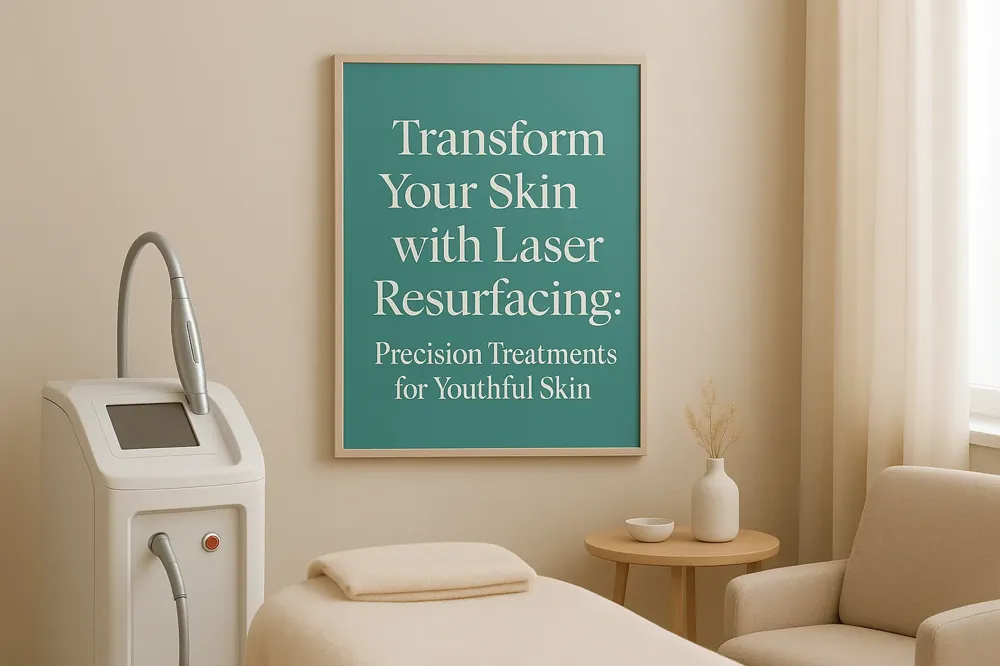
What Types of Laser Treatments Are Used for Skin Resurfacing?
Laser skin resurfacing primarily includes CO2 lasers, erbium lasers, and fractional CO2 lasers.
- CO2 Lasers: These precisely remove outer skin layers with minimal heat damage, ideal for deeper wrinkles and scarring, though recovery can take up to two weeks.
- Erbium Lasers: Target superficial to moderately deep lines, with fewer side effects and a shorter recovery period of about one week.
- Fractional CO2 Lasers: Treat narrow columns of skin to reduce injury but may require careful healing.
What Skin Conditions Can Laser Resurfacing Treat?
This treatment is effective for:
- Wrinkles and fine lines
- Acne scars and other skin scars
- Uneven pigmentation, sun and age spots
- Enlarged oil glands
- Birthmarks and blemishes
- Post-facelift skin concerns
How Does Laser Treatment Stimulate Collagen and Tighten Skin?
Lasers vaporize damaged skin layers and stimulate collagen production in the dermis. Increased collagen improves skin firmness, smoothness, and elasticity, visibly reducing wrinkles and tightening skin texture.
What Is Involved in Treatment Safety, Preparation, and Recovery?
Preparation includes avoiding sun exposure, tanning, certain medications, and cold sores before treatment. Post-treatment care involves daily sunscreen application, moisturization, and avoiding harsh skincare products. Recovery may involve redness, swelling, and peeling, lasting up to two weeks depending on the laser used.
What Are Common Side Effects and How Are Risks Managed?
Rare complications include hyperpigmentation, milia, bacterial infection, herpes reactivation, or scarring. These risks are minimized by professional application, proper skin preparation, and diligent post-treatment care.
How Do Laser Treatments Compare with IPL?
While IPL uses broad-spectrum light pulses targeting pigmentation and vascular issues safely with minimal downtime, laser resurfacing offers more precise skin layer removal and deeper collagen stimulation. Lasers address more severe wrinkles and scars, whereas IPL suits mild to moderate skin concerns and pigmentation problems. Combining IPL and laser can enhance rejuvenation results.
Synergistic Effects: Combining IPL with Laser Therapies for Enhanced Results
How IPL and laser treatments complement each other
IPL (Intense Pulsed Light treatment) and Laser Treatment for Skin target different layers and concerns within the skin. IPL uses broad-spectrum light pulses to address pigmentation irregularities, redness, and sun damage, while laser treatments like Genesis laser treatment or Fractional laser resurfacing explained focus on stimulating collagen production, tightening skin, and diminishing fine lines and wrinkles. When combined, they offer a comprehensive approach by treating multiple skin issues simultaneously, improving tone, texture, and firmness.
Benefits of combining IPL with Genesis and other laser treatments
Pairing combining IPL and laser treatments such as Genesis enhances the skin’s rejuvenation process more than each would alone. IPL improves skin clarity by reducing pigmentation and vascular lesions, while Genesis stimulates collagen to enhance texture and smoothness. This combination reduces fine lines, wrinkles, rosacea-associated redness, and sunspots, producing a radiant, youthful glow with minimal discomfort or downtime.
Faster, noticeable improvements with fewer sessions
Combining IPL therapy benefits and laser therapies accelerates visible results, allowing patients to achieve improvements in skin tone, texture, and pigmentation with fewer total sessions. Typically, a series of four to six combined treatments spaced 3 to 6 weeks apart yields the best outcomes, enabling faster progression towards clients' skincare goals.
Treatment scheduling and safety considerations
To protect skin integrity, IPL and laser sessions should be spaced at least four weeks apart to allow proper healing and cell turnover. Avoiding sun exposure and stopping certain skincare products before and after treatments reduces side effects. Redness or sensitivity may occur transiently but is generally manageable with post-treatment care. Following a professional’s tailored plan ensures safety and maximizes benefits.
Combining IPL with other cosmetic procedures like Botox and microneedling
IPL can be safely combined with treatments like Botox or microneedling to amplify skin rejuvenation. It is advisable to have non-invasive skin rejuvenation treatments first and then wait 3 to 5 days before receiving Botox injections to minimize swelling and improve outcomes. Radiofrequency (RF) microneedling may be used alongside IPL to further stimulate collagen and enhance product absorption. Coordinating these procedures leads to more comprehensive, natural-looking anti-aging effects with minimal downtime.
Integrating IPL with Other Therapies for a Holistic Approach
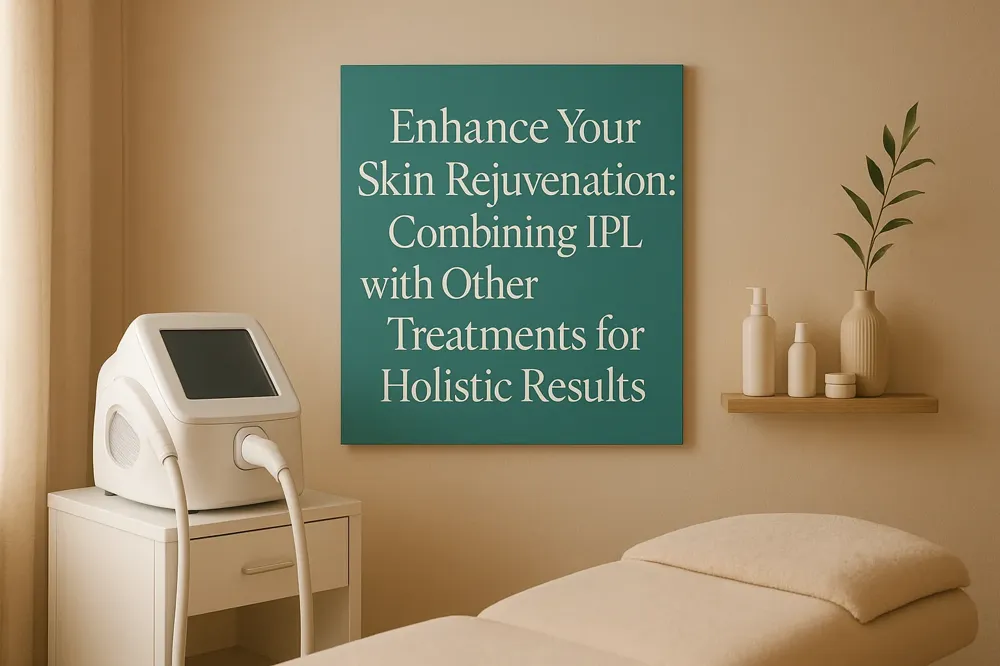
Is it safe and effective to combine IPL with red light therapy?
Yes, combining Intense Pulsed Light treatment with red light therapy is both safe and effective when applied correctly. This approach can amplify treatment outcomes by promoting faster healing and improving symptoms of chronic and difficult-to-treat conditions. For example, integrating blue and red light therapy with IPL has shown significant benefits in managing Demodex blepharitis, an eyelid inflammation disorder. Patients report enhanced ocular comfort and symptom relief without adverse effects, highlighting the non-invasive nature of this synergistic treatment.
Enhancing IPL results with dermaplaning
Dermaplaning, which involves gently scraping away dead skin cells and fine vellus hair, is a perfect complementary therapy to IPL. When performed about 7 to 10 days after an IPL session, dermaplaning removes surface debris, improving skin glow and increasing the absorption of skincare products during the healing phase. It also creates a smooth, polished canvas for makeup application, enhancing the visible benefits of IPL treatments.
Integration with microneedling, chemical peels, Botox, and fillers
IPL is often combined with other aesthetic procedures for a comprehensive rejuvenation strategy. Pairing IPL with Radiofrequency (RF) microneedling can intensify collagen stimulation, improving skin elasticity, firmness, and reducing fine lines and brown spots. Chemical peels further exfoliate and brighten the skin following IPL's pigment-targeting action. Additionally, Botox and fillers complement IPL by addressing dynamic wrinkles and volume loss, respectively. This multilayered approach allows for tailored treatments that maximize natural, youthful results while minimizing downtime.
Mechanisms and safety of combined treatments
Combining IPL with other therapies works through complementary mechanisms: IPL targets pigmented and vascular lesions using broad-spectrum light, stimulating collagen and reducing uneven tone. Meanwhile, red light therapy enhances cell repair and reduces inflammation, and microneedling promotes deeper collagen remodeling by creating controlled micro-injuries. When properly planned by skin specialists, these treatments maintain safety by customizing settings according to skin type and condition, ensuring minimal discomfort and side effects.
The integration of therapies in a personalized regimen offers patients holistic skin rejuvenation techniques that addresses multiple concerns simultaneously for optimal, natural-looking results.
Candidate Suitability, Preparation, and Aftercare for IPL and Laser Treatments
Ideal Skin Types and Conditions for IPL and Laser
IPL and laser treatments are most suitable for individuals with light to medium skin tones, particularly those dealing with sun damage with IPL therapy benefits, uneven pigmentation, fine lines, wrinkles, and redness. IPL effectively targets pigmentation issues like age spots, freckles, and rosacea, while Laser skin resurfacing benefits is ideal for reducing wrinkles, scars, and tightening skin. Suitable candidates typically seek improvements in skin tone, texture, and the reduction of visible signs of aging, as detailed under ideal candidates for IPL and laser.
Pre-Treatment Recommendations
Before undergoing IPL or laser treatments, it is crucial to avoid sun exposure, tanning, and certain skincare products such as retinoids, exfoliants, and chemical peels. Patients should also refrain from waxing the treatment area to prevent irritation. Consulting with a skincare professional helps tailor pre-treatment preparations to your skin's needs and ensures safety.
What to Expect During Treatments
During IPL, patients may experience treatment sensations similar to a rubber-band snapping against the skin, with numbing creams available for sensitive areas. Laser Treatment for Skin involve focused beams that vaporize targeted skin layers to stimulate collagen, often producing mild discomfort but with precise targeting to minimize damage. Sessions typically last between 20 minutes to an hour depending on the area treated.
Post-Treatment Care and Precautions
After treatments, redness, swelling, and sensitivity are common but typically resolve quickly. It is vital to protect the skin from sun exposure by using broad-spectrum SPF 30+ sunscreen, wearing protective clothing, and avoiding harsh skincare products. Applying gentle moisturizers and following the recommended post-treatment care regimen helps support healing.
Common Recovery Symptoms and Management
Patients may experience mild redness, swelling, peeling, or temporary sensitivity following IPL or laser therapy. These symptoms can be managed with gentle skincare, avoiding sun exposure, and managing redness and swelling using soothing ointments or creams as recommended. Most individuals resume normal activities shortly after treatment, with ongoing improvements observed over a series of sessions; see recommended treatment sessions for reference.
Is it safe to schedule IPL and laser hair removal treatments close together?
Scheduling IPL and laser hair removal treatments close together can be safe when planned correctly, but allowing at least one to two weeks between procedures is recommended to minimize irritation. Spacing treatments apart aids in skin recovery and helps your provider customize a safe, effective plan. At Timeless Med Spa, treatment scheduling prioritizes your safety while optimizing results, consistent with guidance on combining IPL and laser.
Sustaining Results with a Consistent Skincare Routine and Lifestyle Choices
What is an effective skin care routine to maintain healthy skin?
Maintaining healthy skin starts with gentle cleansing twice daily and after sweating to remove impurities without stripping natural oils. Using a broad-spectrum SPF 30+ sunscreen every day is crucial for protecting the skin from UV damage, premature aging, and skin cancer. Reapplying sunscreen every two hours, especially after sweating or swimming, keeps protection consistent.
Moisturizing the skin regularly keeps it hydrated and elastic, particularly in dry or sensitive areas. Incorporating protective clothing and avoiding smoking for skin health also enhances skin health. Eating a balanced diet rich in fruits and vegetables, managing stress, and performing regular self-exams can support skin vitality. Consulting a board-certified dermatologist for personalized advice ensures your skincare routine addresses your unique needs.
How long do the results from IPL treatments typically last, and is maintenance required?
IPL therapy benefits can last from several months up to over a year, depending on individual skin type, lifestyle, and treatment area. Many clients notice immediate improvements like reduced redness and pigmentation within the first two weeks. Collagen production induced by IPL develops gradually, enhancing skin texture and firmness over several weeks to months.
To sustain these benefits, recommended treatment sessions every 6 to 12 months are recommended. Consistent skincare with diligent sun protection is essential to prolong results. Proper post-treatment care, including applying sunscreen and avoiding excess sun exposure, minimizes recurrence of pigment issues and redness.
Are there any concerns about IPL treatments causing cancer?
IPL treatments use non-ionizing broad-spectrum light pulses which do not have the energy to damage DNA or cause mutations linked to cancer. Current scientific evidence shows no connection between Intense Pulsed Light treatment and skin cancer risk. Treatments performed by licensed professionals are safe and minimize side effects like irritation or burns.
This non-invasive skin rejuvenation method targets pigment and blood vessels without UV exposure, making IPL a safe option for skin rejuvenation when following pre-treatment preparations and recommended guidelines.
Establishing a routine focused on protection, hydration, and prevention combined with healthy lifestyle choices supports long-term skin health. Consistency in skincare and maintenance after IPL and laser treatments ensures you enjoy radiant, youthful skin with glowing, natural results.
Conclusion: Optimizing Skin Health with Integrated IPL and Laser Approaches
Combined Benefits of IPL and Laser Treatments
Combining IPL (Intense Pulsed Light) with laser therapies like Genesis or fractional CO2 offers a powerful approach to skin rejuvenation. This integrated treatment addresses multiple concerns—such as sun damage, wrinkles, pigmentation irregularities, and redness—in fewer, more efficient sessions. Patients can enjoy enhanced collagen production, improved skin tone and texture, and reductions in age spots and fine lines, resulting in a noticeably radiant complexion.
Personalized Treatment Plans
Tailored treatments guided by professional consultations ensure that the safest and most effective modalities are chosen according to individual skin type and concerns. Preparing the skin appropriately, understanding potential side effects, and following post-treatment care protocols contribute to optimal outcomes. Both IPL and laser therapies have minimal downtime, are safe for a range of skin tones, and can be combined with complementary procedures for enhanced results.
Comprehensive Skincare for Lasting Results
Beyond in-clinic treatments, adopting a holistic skincare routine—including diligent sun protection, gentle cleansing, stress management, and lifestyle choices like avoiding smoking—plays a crucial role in maintaining skin health. Integrating professional treatments with everyday care empowers patients to achieve and sustain youthful, glowing skin naturally and confidently.