Why Combine Peels and LED?
Chemical peels strip away dead keratinocytes, revealing a fresh epidermal surface that allows light energy to penetrate more uniformly. When a peel is followed by red or near‑infrared LED, photobiomodulation boosts fibroblast activity, collagen synthesis, and ATP production, accelerating the skin’s natural repair cascade. Clinical trials in U.S. dermatology clinics have documented a 15‑25 % greater improvement in luminance and fine‑line reduction when a glycolic‑acid peel is paired with 10‑15 minutes of red LED, compared with the peel alone. Both modalities are FDA‑cleared—LLLT carries a ‘no significant risk’ status, and professional peels are regulated as medical‑grade procedures—making their combined use safe for all Fitzpatrick types when performed by trained professionals. This synergy delivers faster recovery, less erythema, and a lasting, radiant complexion.
Safety First: What to Avoid with LED Light Therapy
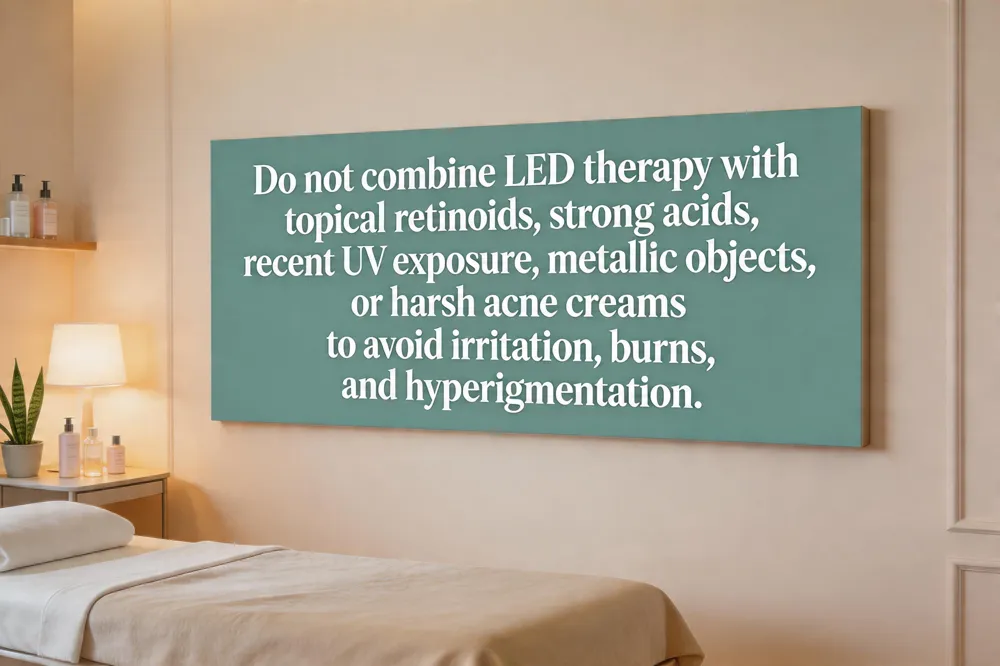 Topical retinoids and acids – Strong retinoids, glycolic or lactic acid peels, and other exfoliating agents can irritate the skin when combined with LED exposure. Avoid applying them on the day of treatment and allow the barrier to recover before resuming use.
Tanning and UV exposure – Recent sun exposure, tanning beds, or intense UV radiation can heighten the risk of burns and hyperpigmentation. Refrain from UV exposure for 24‑48 hours before and after LED therapy.
Metallic objects – Metallic dental work, facial piercings, or conductive jewelry in the treatment area can cause uneven light distribution and should be removed prior to the session.
Harsh acne creams – Over‑the‑counter products containing hydroquinone, benzoyl peroxide, or high‑strength acne formulations may provoke excessive redness or irritation when used immediately after LED work. Wait until the skin has fully recovered before re‑introducing these agents.
By observing these guidelines, clients can safely enjoy the collagen‑boosting, anti‑inflammatory benefits of LED light therapy without compromising skin health.
Post‑Peel LED: Timing and Benefits
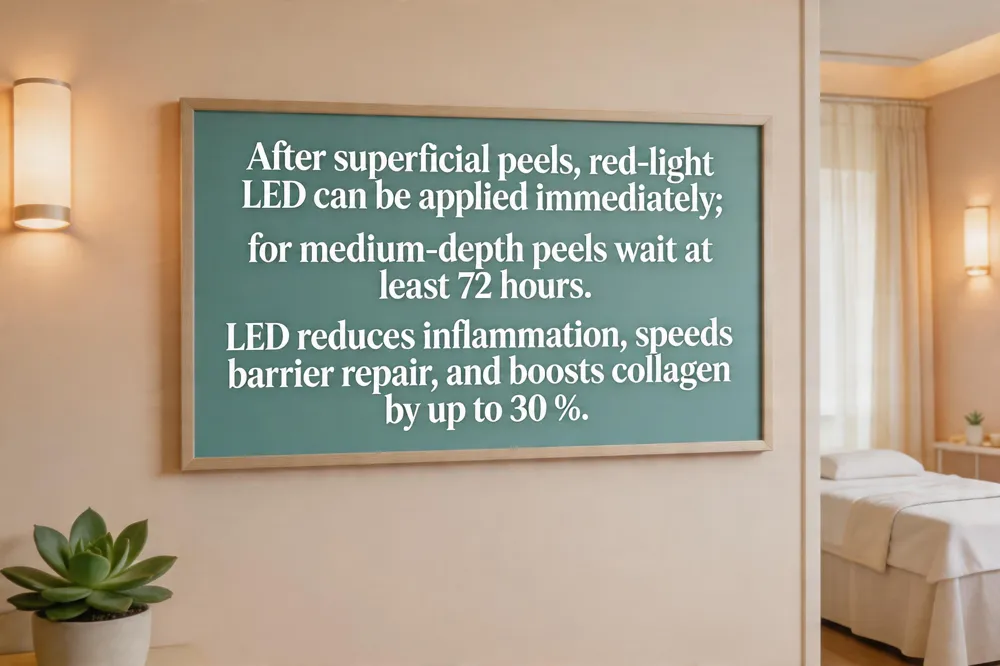 After a chemical peel, LED light therapy can be safely incorporated to calm inflammation, speed barrier repair, and amplify collagen synthesis. For very superficial peels (e.g., low‑strength lactic or glycolic acid), the LED session—usually red light (630‑660 nm)—can be applied immediately after the peel is fully neutralized and rinsed, giving a 30‑minute combined treatment with no extra downtime. Deeper, medium‑depth peels require a waiting period; LED therapy can be combined with chemical peels: apply before a peel or 24‑48 hours after a superficial peel; wait at least 72 hours after a medium‑depth peel unless a physician advises otherwise before starting red‑light therapy, unless a physician directs otherwise. Clinical studies show that red LED boosts fibroblast activity, increasing collagen and elastin production by up to 30 % when used after exfoliation, resulting in smoother, more radiant skin. Safety guidelines emphasize neutralizing the peel, using protective eyewear, and confirming the skin barrier is intact before exposure.
Can you use LED light therapy after a chemical peel? Yes—when the peel is neutralized and the skin is rinsed, a red‑light session can follow immediately for superficial peels or after a short recovery period for deeper peels.
How long after a chemical peel can I use red light therapy? For medium‑depth peels, wait at least 72 hours; for very superficial peels, LED can be used right away once the acid is fully removed.
Creating a Ten‑Year‑Younger Face
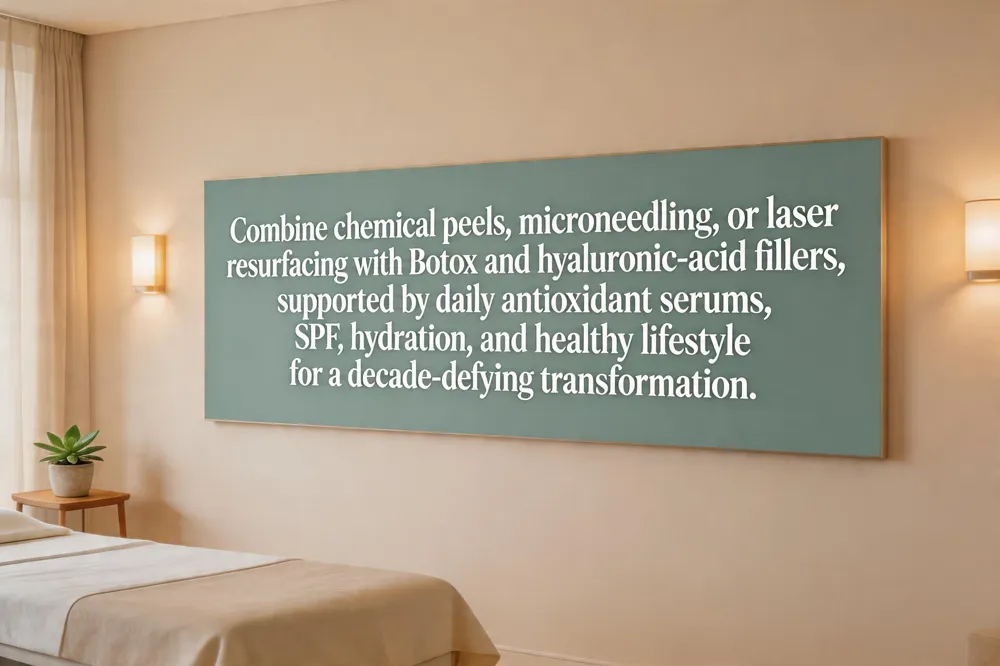 A personalized, non‑invasive rejuvenation plan blends professional skin‑renewal procedures with targeted injectables and disciplined after‑care.
Combination of procedures – Layering chemical peels, microneedling, or gentle laser resurfacing stimulates fresh collagen, smooths fine lines, and improves texture.
Injectables – Botox relaxes dynamic muscles while hyaluronic‑acid fillers restore lost volume in cheeks, nasolabial folds, and under‑eye areas for instant lift.
Lifestyle and after‑care – Daily antioxidant serums (e.g., vitamin C), broad‑spectrum SPF 30+, hydration, balanced nutrition, and adequate sleep protect the new skin and prolong results.
Results timeline – Most clients notice smoother skin within 1‑2 weeks, with maximal collagen remodeling and radiance emerging at 4‑6 weeks; maintenance LED sessions keep the glow long‑term.
How to take 10 years off your face? Combine professional skin‑renewal procedures—laser resurfacing, microneedling, chemical peels, or dermabrasion—to stimulate fresh collagen and smooth fine lines. Add targeted injectables like hyaluronic‑acid fillers and Botox to restore volume and relax dynamic wrinkles for an instant lift. Follow up with a daily antioxidant regimen rich in vitamin C and a broad‑spectrum sunscreen to protect and brighten the new skin. Maintain a healthy lifestyle with plenty of water, balanced nutrition, and regular sleep to support long‑term skin health. Consistency in both clinical treatments and at‑home care can make your face look up to ten years younger.
What treatment makes you look 10 years younger? A targeted, non‑surgical rejuvenation plan that combines Botox injections with dermal fillers is the most reliable way to shave a decade off your appearance. Botox relaxes the muscles that create dynamic wrinkles on the forehead, between the brows and around the eyes, smoothing crow’s feet and frown lines. Fillers restore lost volume in the cheeks, nasolabial folds, under‑eye troughs and lips, eliminating static lines and giving the face a plump, youthful contour. Adding a laser resurfacing or microneedling session tightens skin texture and stimulates collagen, further enhancing the age‑reversing effect. At Timeless Med Spa in Berlin, NJ we tailor this protocol to each patient’s anatomy for natural‑looking, ten‑year‑younger results.
Boosting Radiance Daily
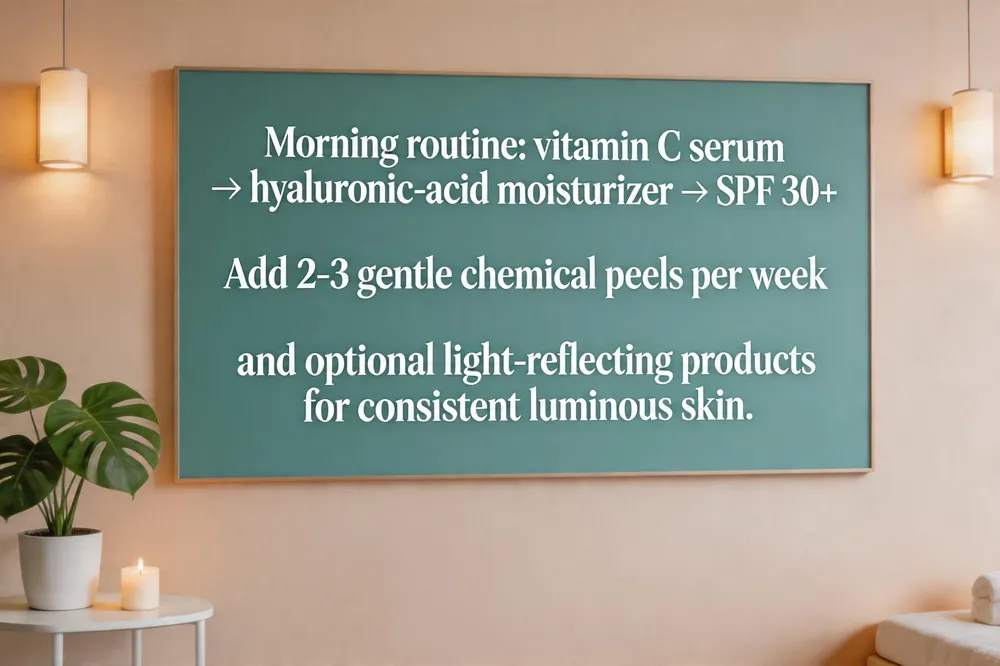 Achieving a luminous complexion each day starts with three core habits: hydration, gentle exfoliation, and antioxidant protection. Begin every morning with a vitamin C serum; its brightening power neutralizes free radicals, evens tone, and kick‑starts collagen synthesis. Follow with a lightweight hyaluronic‑acid moisturizer to lock in moisture and create a plump, light‑reflective surface. Finish with a broad‑spectrum SPF 30+ sunscreen to guard against UV‑induced dullness and pigment loss. Schedule 2‑3 gentle exfoliation sessions per week using a mild chemical peel—such as lactic acid or a PHA—to remove dead cells and reveal fresh skin underneath. For an instant glow, add a light‑reflecting or self‑tanning product that enhances radiance without additional sun exposure. Consistently combining these steps delivers a radiant, healthy complexion while supporting long‑term skin health.
Special Considerations: Lupus and LED
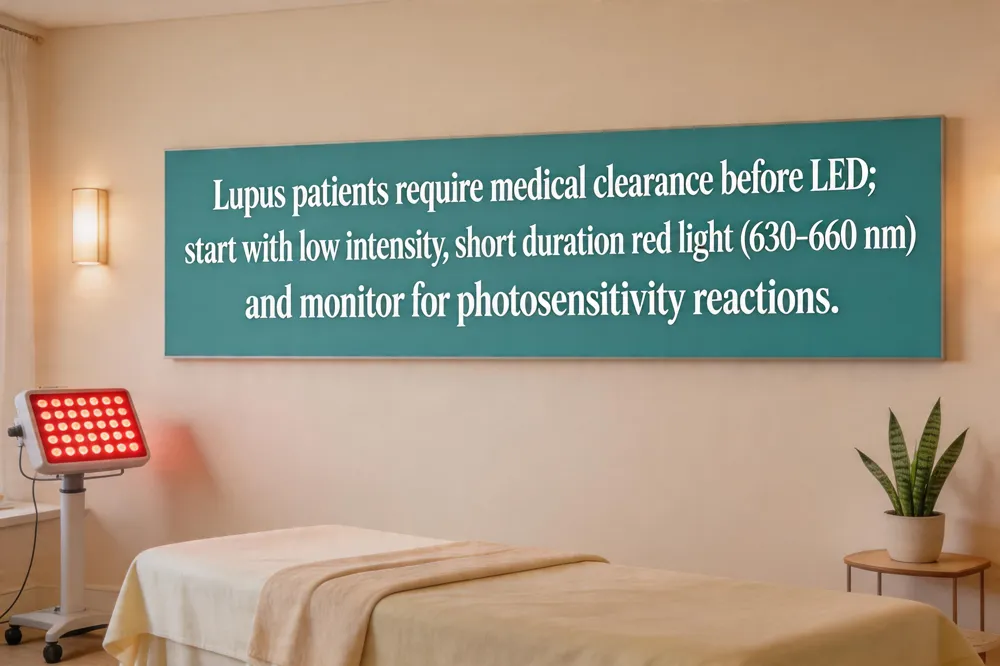 People with lupus often experience photosensitivity, meaning even low‑level light can provoke skin flares. Because LED therapy uses non‑UV red and near‑infrared wavelengths, it is generally gentle, but the heightened sensitivity in lupus patients requires medical clearance before treatment. A rheumatologist or dermatologist should assess the patient’s photosensitivity level, review any photosensitizing medications, and decide if LED is appropriate. If cleared, the protocol should be adjusted: start with the lowest intensity and shortest duration, choose wavelengths that minimize risk (typically red 630‑660 nm), and monitor the skin closely for redness or rash. In short, lupus patients may use LED light therapy safely, but only under professional supervision and a customized, low‑dose protocol.
Top Rejuvenation Modalities for 2025
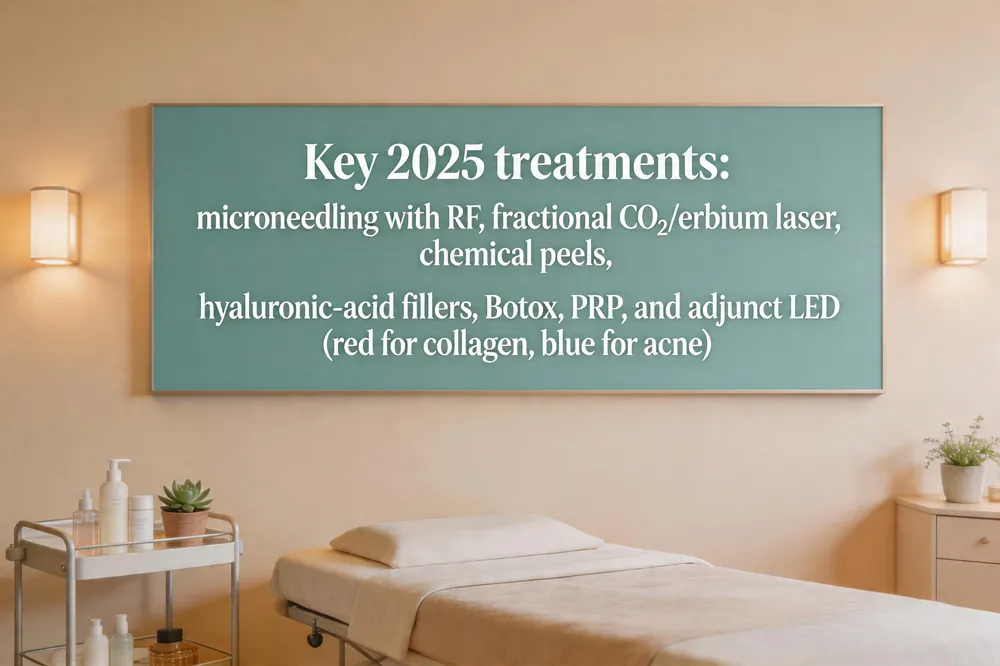 2025’s leading skin‑rejuvenation arsenal blends collagen‑stimulating energy with precise resurfacing.
Microneedling and radio‑frequency (RF) create controlled micro‑injuries that trigger fibroblast activity, improving texture, firmness and tone.
Laser resurfacing – fractional CO₂ or erbium – removes damaged epidermis while stimulating new collagen, and chemical peels (glycolic, lactic, TCA) exfoliate dead cells to reveal smoother, more radiant skin.
Injectable solutions round out the protocol: hyaluronic‑acid fillers restore lost volume, while neuromodulators such as Botox relax dynamic lines for an instant lift.
Platelet‑rich plasma (PRP) supplies growth factors that amplify healing and boost overall vitality.
To maximize results, clinicians often pair a peel with complementary modalities: LED light therapy (red for collagen, blue for acne), microdermabrasion, hydrating facials, or microneedling, which further enhances product penetration and reduces downtime.
This integrated approach delivers faster recovery, deeper collagen remodeling, and a lasting, natural glow for clients seeking confidence and age‑defying results every day.
Your Path to Radiant Skin at Timeless Med Spa
At Timeless Med Spa we design every facial rejuvenation program around the unique needs of each client. A thorough skin analysis determines whether a superficial glycolic peel, a lactic‑acid treatment, or a medium‑depth TCA protocol is ideal, and the subsequent LED session—red for collagen boost, blue for acne control—is calibrated to the individual’s Fitzpatrick type and concerns. All procedures are performed under the supervision of board‑certified dermatologists and licensed estheticians who explain the science, set realistic expectations, and adjust parameters in real time. To keep results luminous, we schedule regular follow‑up LED maintenance every 4‑6 weeks, pair each peel cycle with targeted serums, and stress daily broad‑spectrum SPF. This personalized, guided approach ensures lasting radiance and a natural‑looking glow.