Making Room for Rest
Busy routines can leave little space to pause, even when you know you could use a quieter moment. Some people explore Reiki, a non-invasive practice rooted in Japanese traditions, as one optional way to make time for relaxation and mind-body wellness. Practitioners may place their hands lightly on or just above the body, but the proposed life-force energy behind Reiki has not been established by science. Cleveland Clinic’s overview of Reiki distinguishes that belief from what research has demonstrated.
This article offers context, not a recommendation to treat a beauty concern with Reiki or a claim that Timeless Med Spa provides it. At timelessmedspanj.com, the focus is personalized skin and beauty treatments that support natural enhancement and graceful aging; Reiki is a separate wellness practice some people may consider for rest.
The sections ahead explain Reiki’s origins and what a session may involve, while recognizing that people’s experiences range from deep calm to little noticeable change. They also consider the limits of current research, including preliminary findings that do not establish Reiki as a medical treatment. Reiki should remain complementary to appropriate care, not a replacement for medical assessment or mental-health support.
Reiki’s Origins and Central Belief
 Reiki is an energy-healing practice rooted in Japanese traditions. Its name is commonly translated from “rei,” meaning universal, and “ki,” meaning vital life-force energy. The practice’s history and central ideas are explored further in this guide to Reiki’s origins and principles.
Practitioners may describe themselves as channeling or working with a universal life force, sometimes with the aim of restoring balance. This is Reiki’s underlying belief, not a confirmed physiological explanation. The Cleveland Clinic notes that scientists have not established that this energy exists or is transmitted during a session.
That distinction allows Reiki to be discussed without treating its spiritual language as medical fact. A person may value the quiet, focused time or find the practice meaningful without accepting a particular explanation for how it works. Some practitioners regard Reiki as spiritual, but it is not tied to a specific religion, and receiving it does not require adopting a faith or belief system.
For a wellness setting such as Timeless Med Spa, this framing keeps attention on personal comfort and choice rather than promises about energy flow, aura, or physical healing. Reiki is best described as a practice some people explore for relaxation, while its proposed mechanism remains unverified. This also leaves room for different perspectives: one person may find the spiritual framework important, while another may simply appreciate a calm pause.
Keeping belief separate from evidence helps readers make an informed choice. Reiki’s origins explain the language used by practitioners, but they do not establish a measurable energy pathway or show that Reiki treats a health condition.
What a Reiki Session May Involve
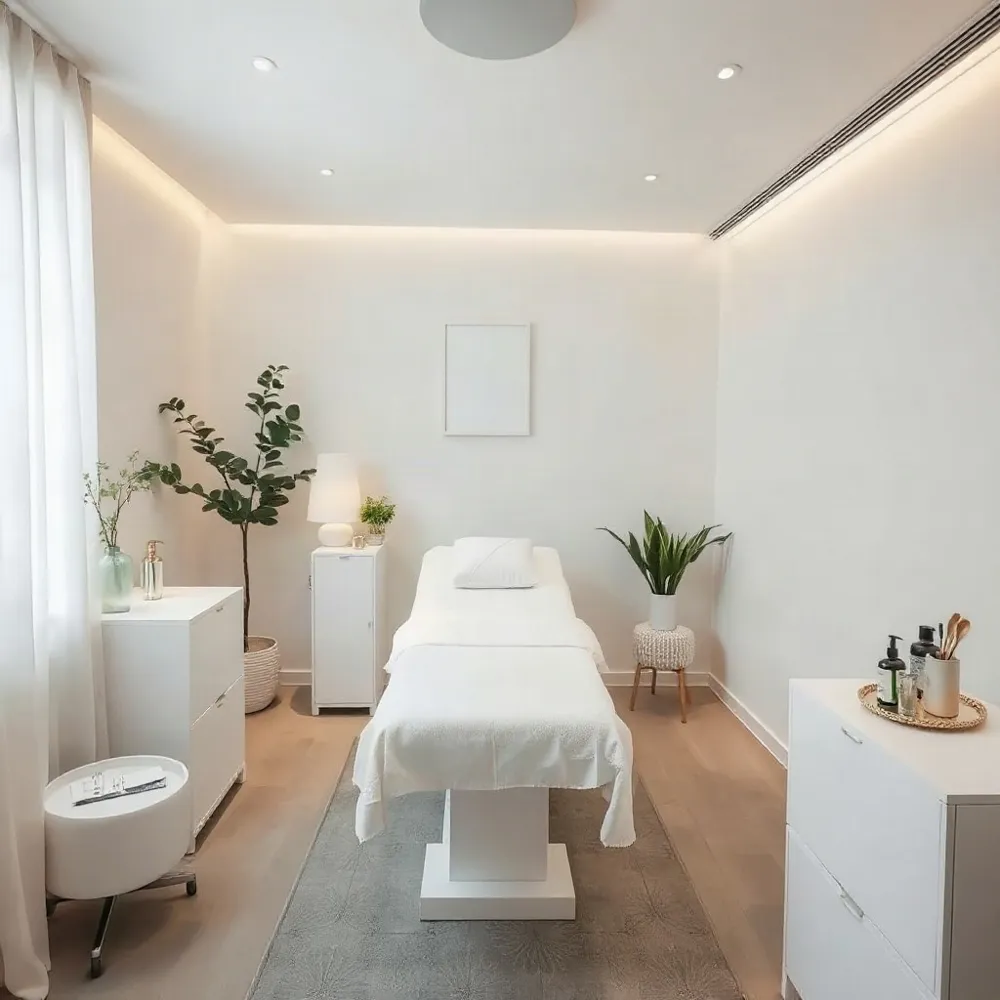
 There is no single standard format for a Reiki session. In a common approach, the recipient remains clothed and rests on a treatment table or sits in a comfortably supported chair while the practitioner places hands lightly on selected areas or holds them just above the body. The University of Minnesota’s description of a typical Reiki session notes that practices and settings can differ.
Reiki is not a massage: it does not require rubbing, kneading, pressure, or physical manipulation. Touch preferences can be discussed before a session, and a recipient may request that the practitioner keep their hands off the body. A practitioner may explain the approach and ask about comfort needs, but intake practices vary.
It can help to mention anything that may affect positioning or touch, such as sensitive areas, recent surgery, pregnancy, an injury, or difficulty lying on the back or stomach. The practitioner may be able to adjust the position or add support, such as a blanket or cushion. At Timeless Med Spa, personalized care is part of its approach to aesthetic treatments; any wellness visit should likewise make room for a person’s comfort preferences rather than assume one arrangement suits everyone.
The setting and duration also vary. A quiet, undisturbed room may help someone settle, but Reiki can be offered in different environments. The University of Minnesota describes sessions in care settings that may be brief and private-practice visits that may be longer, without treating either format as universal. There is no established standard length, number of visits, or schedule, so a recipient can ask what to expect and decide whether the arrangement feels comfortable.
For a broader overview of how a session may unfold, see this guide to what to expect during a Reiki session.
Personal Experiences Can Differ
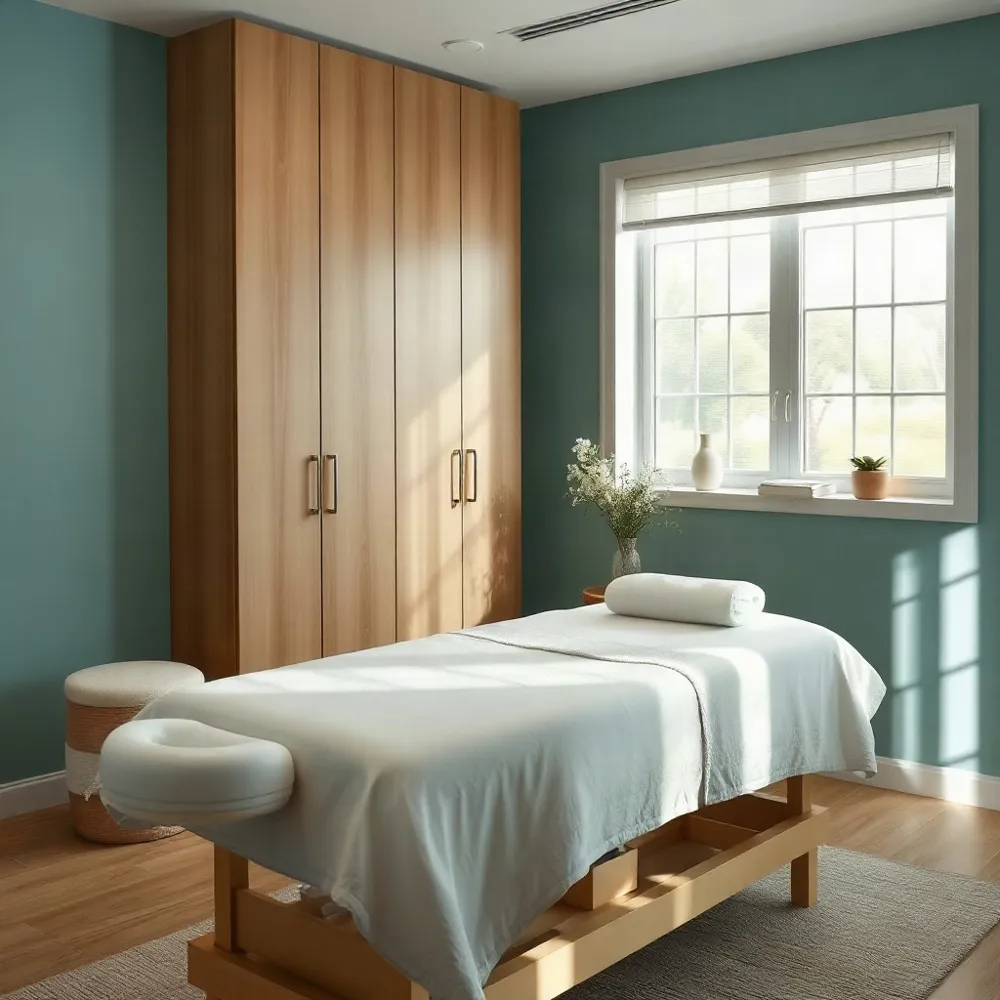 There is no single way people experience Reiki. Some describe feeling deeply calm or drowsy, noticing warmth, coolness, tingling, or subtle pulses, or settling into a meditative state. Others notice little during the session or afterward. These responses are personal impressions, not guaranteed effects. The University of Minnesota’s overview of a typical Reiki session also notes that experiences vary.
A sense of relaxation may reflect the whole experience, not a demonstrated transfer of energy. Quiet time set aside to rest, a comfortable room, soft music or silence, and a gentle interaction with the practitioner can all shape how a session feels. Scientists have not established the proposed life-force energy central to Reiki, so a pleasant response should not be treated as proof of that mechanism. Cleveland Clinic’s explanation of Reiki distinguishes the practice’s underlying belief from evidence about its effects.
Afterward, some people report feeling calmer, refreshed, or mentally clearer. Others may feel more tired later in the day, while some notice no change. None of these responses means a session has succeeded or failed, and an individual experience cannot predict how another person will feel.
Comfort matters more than trying to produce a particular sensation or emotional outcome. During a session, you can ask for a different position, added support, music, or silence, and you can share preferences about touch. In a med-spa setting, personal comfort and a calm environment can support a restful experience without promising a specific result. Timeless Med Spa’s wellness articles discuss Reiki alongside relaxation and self-care, while keeping medical treatment claims separate from subjective experiences.
What Research Can and Cannot Tell Us
Research has examined Reiki in connection with anxiety, stress, pain, fatigue, mood, and quality of life. The overall picture remains cautious: findings vary, study methods differ, and the evidence does not establish Reiki as a treatment for disease. Some people may value a session as a calming experience, but that is distinct from proving a reliable clinical effect.
A 2024 systematic review and meta-analysis considered 13 controlled studies involving 824 adults. Across the studies, Reiki was associated with a statistically significant reduction in anxiety compared with control groups, but results varied substantially from study to study. The review also found that subgroup results were not consistent: reductions were reported for general adult and chronically ill groups, but not for the cancer-patient or surgical-patient subgroups. The small number of studies in some subgroups and the wide variation in findings make these results difficult to apply broadly. The review supports further investigation, not a promise of benefit for a particular person.
A separate meta-analysis looked at quality of life across 11 randomized trials with 661 participants and reported a modest statistically significant average improvement. Results also varied substantially across the studies, which involved people with different health circumstances and backgrounds. An average change across a research group cannot predict what one person will feel, and it does not show that Reiki improves skin health or produces a particular aesthetic outcome. The quality-of-life review describes a possible group-level association, not a guaranteed individual result.
A 2025 exploratory study assessed one brief Reiki session at community events. Participants reported lower stress and pain ratings afterward, but the study had no control group or randomization and relied on subjective ratings. Without a comparison group, researchers cannot determine whether Reiki caused the changes or separate its possible effects from expectations, interaction with the practitioner, or other aspects of the experience. The results are preliminary, rather than proof of lasting or objective clinical benefit. The study calls for more rigorous research.
These studies measure reported experiences and outcomes; they do not confirm the proposed transfer of universal life-force energy. The Cleveland Clinic notes that science has not established that this energy exists or that it explains Reiki. Relaxation may also be shaped by having quiet time, comfortable surroundings, and a supportive interaction. For a broader discussion of evidence and its limits, see what research can and cannot tell us about Reiki.
At Timeless Med Spa, personalized skin and beauty treatments are intended to support natural enhancement and graceful aging. That focus is separate from claims about Reiki's medical effects: research does not show that Reiki treats disease or guarantees changes in appearance. Readers considering any wellness or aesthetic option can weigh their own goals, ask clear questions about what a service is intended to do, and keep medical concerns with qualified healthcare professionals.
A Complement, Not Medical Treatment
Reiki is best understood as an optional wellness practice that some people choose for relaxation or personal comfort. It is not a way to diagnose a health problem, cure an illness, or provide stand-alone treatment for physical or mental-health conditions. For a wider discussion of this distinction, see Reiki as a complementary therapy within modern health care.
People with symptoms or a diagnosed condition should continue to consult qualified healthcare providers and follow appropriate evidence-based care. Reiki should not delay medical assessment or take the place of prescribed treatment. The Cleveland Clinic’s guidance on Reiki likewise describes it as complementary care, not a substitute for conventional medical treatment.
Reiki is generally non-invasive, and some practitioners work without physical contact. That does not mean it is guaranteed to be suitable in every circumstance. Research reporting possible changes in anxiety or quality of life does not show that Reiki treats underlying conditions such as anxiety disorders, cancer, or injuries. Findings from a review of Reiki and anxiety concern anxiety outcomes, not a cure for their causes.
Before a session, tell the practitioner about health conditions, recent procedures, areas sensitive to touch, or any difficulty lying comfortably. You can discuss touch preferences and ask for adjustments. Timeless Med Spa’s approach to aesthetic care is personalized, with treatments focused on natural enhancement and graceful aging, rather than claims that a wellness practice can replace medical care.
For new, severe, or ongoing symptoms, seek medical guidance from a qualified professional. A Reiki session may offer some people a quiet pause, but it should remain separate from decisions about diagnosis and treatment.
Considering Reiki Within a Wellness Routine
A wellness routine does not need to revolve around one practice. Adequate sleep, regular movement, nourishing meals, time outdoors, and appropriate professional support all contribute to everyday well-being. For some people, Reiki may be one optional way to set aside quiet time, rather than a replacement for these habits or for medical care. The University of Minnesota’s overview of Reiki research describes possible relaxation and well-being effects while noting that the evidence remains preliminary.
For readers interested in aesthetic and mind-body wellness, the useful question may be what kind of restorative experience feels right for them. A med-spa visit can involve different services and goals, so it is best not to assume that every spa offers Reiki. At Timeless Med Spa in Berlin, New Jersey, the focus is on personalized skin and beauty treatments; readers can consider those offerings separately from any Reiki practice they may explore elsewhere.
Approach Reiki with curiosity, not pressure to accept a particular explanation or feel something dramatic. Some people describe relaxation or other sensations, while others notice little. A calm experience may reflect the quiet setting and time to rest as well as the interaction with a practitioner, and it does not establish a health benefit or promise an effect on skin or aesthetic-treatment results. Decide whether the experience feels comfortable and worthwhile for you.
If you are considering a practitioner, ask about their training and experience, what a session involves, and whether they offer hands-on or hands-off options. Discuss touch preferences and any comfort needs before beginning, and make sure the practitioner explains how consent is requested and respected. Training and service practices are not nationally uniform, so asking direct questions can help you make an informed choice. You should be able to request an adjustment or stop if you feel uncomfortable.
A Personal Choice for Pause
For some people, Reiki is a quiet chance to rest and turn their attention inward. Others may notice little during a session, and neither response predicts what someone else will feel. The idea that Reiki works by channeling a universal life force has not been scientifically established, and reported health benefits remain uncertain, as the Cleveland Clinic explains.
Anyone who chooses Reiki should regard it as a complementary wellness practice, not a substitute for medical assessment, prescribed treatment, or mental-health support. A 2024 review of Reiki and anxiety reported possible benefits but also noted substantial differences among studies, so its findings do not promise a particular outcome.
Thoughtful wellness choices begin with comfort and personal preference. At Timeless Med Spa in Berlin, New Jersey, the emphasis is on personalized skin and beauty treatments that support natural enhancement and graceful aging. Whatever practices you consider, choose what feels appropriate for your needs, keep realistic expectations, and seek qualified care for health concerns.