Understanding Reiki And Stress
After a demanding day, you may notice your shoulders tightening, your jaw clenching, or your breathing becoming shallow. These are common physical responses to stress, not evidence that emotions are literally stored in particular body parts. For some people, a quiet pause and focused attention can make it easier to notice and ease that tension.
Reiki is a gentle, non-invasive complementary practice in which a practitioner places their hands lightly on or just above a clothed person. Some people seek it as a way to relax or manage stress. Experiences differ: a person may feel calm or comfortable, while another may notice little. A 2022 systematic review of placebo-controlled Reiki studies found more encouraging evidence for participants with clinically relevant stress than for people with ordinary stress levels, though the authors noted limitations and called for further research.
At Timeless Med Spa in Berlin, New Jersey, care is centered on personalized skin and beauty treatments that support natural enhancement and graceful aging. Reiki is best considered separately as a complementary wellness practice, not as a substitute for those aesthetic services or for medical care.
Reiki may provide a calming experience for some, but it is not a cure and should not replace evaluation or treatment from a qualified medical or mental-health professional. Research findings vary, and a relaxing session does not establish that Reiki treats an underlying condition. Anyone with ongoing or concerning symptoms should seek appropriate professional care.
What Reiki Is And How It Is Used
 Reiki is a gentle, non-invasive practice that originated in Japan. During a session, a practitioner places their hands lightly on a clothed person or holds them just above the body, moving through a sequence of positions. It is not massage: the practitioner does not knead muscles or apply pressure. Learn more about what happens in a typical Reiki session.
The practice’s traditional framework describes a universal life energy, sometimes called ki, that a practitioner may help guide. This is a belief associated with Reiki, not an established scientific explanation. Researchers have not confirmed that this energy exists or that it accounts for any effects people report. A review of Reiki research notes that studies have examined outcomes such as stress, anxiety, and pain, but the evidence remains at an early stage.
People commonly seek Reiki for a quiet, restful experience and possible relief from perceived stress. Some also try it as a complementary source of support while coping with anxiety or pain. Individual experiences differ: one person may feel calm during a session, while another notices little change. Research reviews have reported possible benefits in some settings, but study limits mean those findings should not be treated as a promise of results.
For anyone considering Reiki as part of a broader wellness routine, the distinction between supportive care and medical treatment matters. Reiki does not diagnose or cure illness, and it should not replace prescribed treatment, medical evaluation, or mental-health care. People with persistent pain, severe anxiety, or other concerning symptoms should speak with a qualified healthcare professional and continue the care they recommend.
At Timeless Med Spa in Berlin, New Jersey, care is centered on personalized skin and beauty treatments designed for natural enhancement and graceful aging. That aesthetic focus is distinct from Reiki’s traditional energy-based approach, and readers should confirm service availability directly rather than assume Reiki is offered. Understanding what a practice involves, and what the evidence can support, helps people make choices that fit their needs without confusing relaxation with medical care.
Why People Seek A Calmer State
People often try Reiki for a chance to pause, relax, and feel more emotionally settled. Some hope the experience will ease everyday tension or support a broader sense of well-being, while others value the quiet time and focused attention of a session. These are common reasons for seeking Reiki, not guaranteed results.
Some people also seek Reiki as added support while living with anxiety, pain, illness, or medical treatment. A review of controlled trials found possible benefits for anxiety, but results varied across the studies and do not show that Reiki treats an anxiety disorder or another health condition. Reiki is best understood as a complementary practice alongside appropriate medical or mental-health care, not a replacement for it. The University of Minnesota’s overview of Reiki research also notes that studies are often small and findings should be interpreted cautiously.
The experience itself can shape how calm someone feels. A quiet, comfortable setting and a respectful interaction with the practitioner may help a person settle in, while others may notice little during a session or feel no lasting difference. Reported responses vary, so an individual’s experience should not be treated as evidence that everyone will benefit. The Cleveland Clinic’s guide to Reiki likewise describes varied experiences and cautions that research has not established Reiki as a medical treatment.
For people considering this kind of support, comfort and personal fit matter. Timeless Med Spa in Berlin, New Jersey, focuses on personalized, non-invasive aesthetic and skin care treatments; that context is distinct from Reiki, and the available information does not establish that Reiki is offered there. Readers can explore other calming self-care practices, such as mindful breathing or gentle movement, while keeping ongoing stress or health concerns in conversation with a qualified provider.
What Research Can And Cannot Show
 Scientific research offers some encouraging findings about Reiki, but it does not provide a simple yes-or-no answer about whether the practice reduces stress. Studies differ in who took part, how Reiki was delivered, what outcomes researchers measured, and how well the trials were designed. The results are best understood as evidence that Reiki may help some people feel more relaxed, not as proof of a reliable treatment for everyone.
A 2022 review in Frontiers in Psychology examined 14 randomized, placebo-controlled trials of hands-on Reiki and mental health symptoms in adults. Its most encouraging stress findings involved people whose stress was already at clinically relevant levels. Evidence was less certain for people with stress scores in the normal range, so the results should not be extended to everyone who feels tense after a difficult day.
The review also points to limits in the research: some areas had only a small number of studies, and many trials had concerns about bias. The authors called for more well-designed studies. A prior review of 13 sham-controlled studies found that eight reported Reiki performing better than sham Reiki, four found no difference but may have lacked enough statistical power, and one found no benefit for either group. That mixed pattern matters: positive results exist, but they are not consistent across the available trials.
A 2024 systematic review and meta-analysis of Reiki for anxiety reported a statistically significant overall reduction compared with control conditions. However, results varied substantially among studies, and anxiety is not the same outcome as physical tension. The finding therefore cannot, by itself, establish that Reiki loosens tight muscles or relieves bodily stress. Readers can explore what research can and cannot show about Reiki for a related discussion of how study results depend on participants’ starting stress levels.
Researchers have also measured outcomes such as heart rate, blood pressure, and heart-rate variability. Changes in these measures may be consistent with relaxation, but they do not establish exactly how Reiki works or show that every recipient will have the same response. The proposed explanation that a practitioner channels or balances a life-energy field has not been established scientifically. Feeling calmer during a quiet session can be meaningful to an individual, but personal experience is different from proof of a specific biological mechanism.
This distinction is useful when choosing any wellness service. Timeless Med Spa in Berlin, New Jersey, describes its work as personalized skin and beauty treatments focused on natural enhancement and graceful aging; that is a separate purpose from testing Reiki’s effects. A thoughtful choice starts with matching the service to the goal and asking what outcomes are supported, rather than treating a relaxation experience as medical care.
Reiki may be considered as a complementary relaxation practice alongside conventional care, not instead of it. If symptoms persist, worsen, or raise a health concern, discuss them with a qualified healthcare provider. That boundary also applies when selecting aesthetic care: Timeless Med Spa’s personalized approach to skin and beauty treatments does not replace medical assessment for an unexplained symptom. Keeping the evidence and the limits in view allows people to consider Reiki without expecting a guaranteed result.
Beliefs And Personal Interpretations
Reiki can be understood in different ways. Some people find spiritual meaning in the practice, while others treat a session as a quiet wellness ritual focused on rest and comfort. Neither interpretation is required for taking part.
Traditional Reiki explanations describe a universal life energy that practitioners work with through hand placements. That account reflects the practice’s beliefs, not a scientifically established mechanism. Research has not confirmed that such an energy exists, though studies can still examine reported experiences and outcomes such as relaxation. The University of Minnesota’s overview of Reiki research discusses both the limits of current evidence and the challenges of measuring a complex, personal experience.
Reiki is not tied to a particular religion, and people do not need specific spiritual beliefs to receive it. A 2017 review of hands-on Reiki studies describes the practice as having no religious doctrine and as accessible to people from different backgrounds. This allows individuals to make sense of a session in a way that feels comfortable to them, without treating a personal interpretation as proof of a medical effect.
Before booking any wellness service, clear communication can help you feel at ease. Ask the practitioner to explain their approach, including whether they use spiritual language, where they place their hands, and whether they can keep their hands above the body instead of touching you. You can also state which areas you prefer them to avoid. The University of Minnesota’s guidance on a typical Reiki session emphasizes discussing comfort needs and understanding the process beforehand.
At Timeless Med Spa in Berlin, New Jersey, personalized care is part of its approach to aesthetic and skin treatments. Reiki’s spiritual framing, however, should remain separate from claims about medical results. Whether someone sees Reiki as spiritual or simply calming, it is a complementary wellness practice, not a replacement for medical evaluation, prescribed treatment, or evidence-based mental-health care.
Preparing For A First Reiki Session
 A first Reiki session usually starts with a conversation, not a treatment. The practitioner may ask what you hope to get from the visit, whether you have questions about the process, and what would help you feel comfortable. You can mention health concerns, areas that are sensitive to touch, or physical limitations that make lying on your back or front uncomfortable. Some practitioners use an intake form or consent form, while others have a less formal discussion.
There is no single standard session length or sequence. The setting and practitioner affect how the visit is arranged: sessions in hospitals or similar care settings may be brief, while private-practitioner sessions can last as long as 90 minutes, according to the University of Minnesota’s guide to a typical Reiki session. Ask ahead how much time to set aside and what the practitioner plans to do.
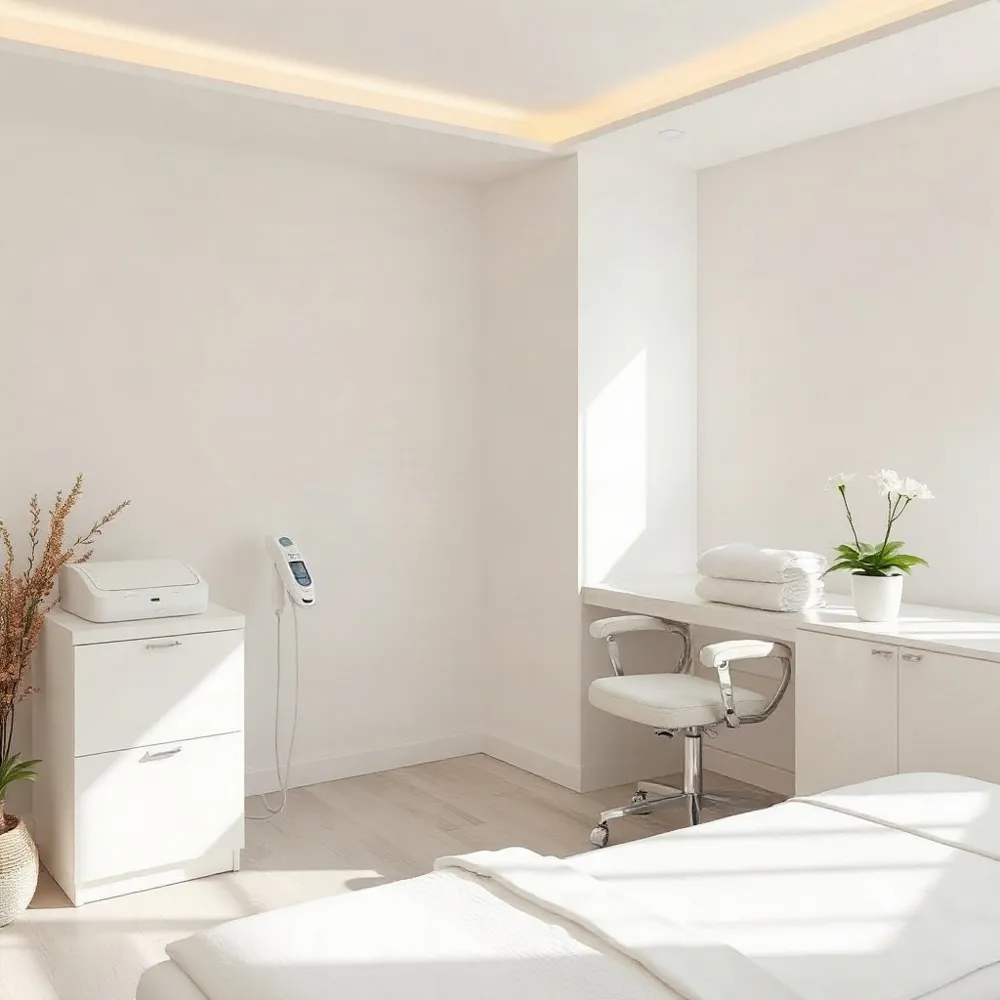
Most recipients remain fully clothed and sit in a supported chair or lie on a treatment table. The practitioner may place their hands lightly at different positions on the body, or hold them just above it. Reiki does not involve massage pressure or kneading. If direct touch is not comfortable, you can request a no-touch approach; hand positions can also be adjusted around sensitive areas or physical limitations.
Consent and comfort should guide the session. Before it begins, ask the practitioner to explain the hand placements and how they will check in with you. You can request a blanket, a different position, silence instead of music, or a pause at any point. Choosing someone who explains the process clearly and responds respectfully to your preferences can make it easier to settle in. The University of Minnesota’s session guidance also recommends communicating comfort needs in advance.
Timeless Med Spa in Berlin, New Jersey, focuses on personalized skin and beauty treatments; that background does not establish that it offers Reiki. If you are considering Reiki, verify the provider’s services and session details directly rather than assuming they are part of a med spa visit. A brief guide to how Reiki sessions are conducted can help you understand the usual format before contacting a practitioner.
A Reiki practitioner does not diagnose a health condition as part of the session. Reiki is a complementary wellness practice, not a replacement for medical evaluation or treatment. Continue care recommended by your healthcare provider, and discuss questions about symptoms or treatment choices with a qualified clinician.
Sensations During And Afterward
During Reiki, you can rest fully clothed while a practitioner uses light touch or holds their hands just above your body. Reported sensations include warmth, coolness, tingling, or gentle pulsations, but some people feel deeply relaxed or sleepy, while others notice little or nothing. These experiences are personal and may differ from one session to another.
The University of Minnesota’s overview of a typical Reiki session describes a range of responses, from comfort and relaxation to no striking sensation. A quiet setting and feeling at ease with the practitioner may shape the experience, but no particular response is required for a session to be worthwhile.
Afterward, some people report feeling calm, mentally clear, refreshed, tired, or emotionally reflective. Others may notice no clear change. These are subjective reports, not predictable medical effects, and they do not show that a health condition has improved. Reiki is a complementary wellness practice, not a substitute for medical or mental-health care.
Pay attention to your comfort as the session unfolds. If you feel uneasy, too warm, or uncomfortable with touch, tell the practitioner; you can ask for a position adjustment or for hands to remain above the body. Guidance on what to expect in a Reiki session also covers reported sensations and aftereffects.
Give yourself time afterward to rest and attend to ordinary needs, such as having water if you are thirsty. There is no need to interpret every sensation or expect immediate relief, and a single session cannot predict how you might respond another time. At Timeless Med Spa, the focus on personalized skin and beauty treatments and natural enhancement reflects the value of discussing comfort and preferences directly, rather than assuming everyone responds in the same way.
Choosing Whether To Return
There is no established Reiki schedule that fits everyone. Studies have used different session lengths and frequencies, and research has not identified an optimal regimen for an individual. A review of controlled studies also called for more research to determine the best session length and number of visits, while the University of Minnesota notes that session formats and durations vary. Reiki research on session frequency and typical Reiki session formats offer context, not a personal prescription.
You might try one visit to learn how the experience feels, or choose a short series if that better suits your goals. Neither choice guarantees a particular result. Some research reviews have examined programs with different numbers of sessions, but those study designs do not establish a schedule that every person should follow.
After each visit, consider whether you felt comfortable, whether the experience seemed worthwhile to you, and whether you noticed any change in your sense of relaxation. You can continue, pause, or stop based on those reflections. A practitioner should be willing to discuss your preferences without presenting more sessions as necessary or promising a specific outcome.
For readers also considering aesthetic care, Timeless Med Spa in Berlin, New Jersey describes its approach as personalized skin and beauty treatments focused on natural enhancement. That kind of individualized planning is separate from Reiki and does not imply that the spa provides Reiki sessions.
Reiki should remain complementary to appropriate health care. Do not postpone medical evaluation or change prescribed treatment in favor of sessions. Persistent stress, pain, or other symptoms deserve guidance from a qualified health professional, who can help determine what care is appropriate.
A Complementary Path To Relaxation
Reiki may offer some people a quiet pause and a sense of calm, but it is not a guaranteed way to reduce stress or tension. Research findings are mixed, and a review of controlled studies noted both possible benefits and limits in the evidence. Individual experiences can differ, so consider Reiki a personal wellness choice rather than a proven treatment.
If you decide to try a session, choose a practitioner who explains what will happen, asks for consent, and adapts touch or positioning to your comfort. The University of Minnesota’s guide to a typical Reiki session emphasizes comfort and clear communication. You can ask questions or pause at any time.
Keep expectations realistic and notice how you feel without treating one session as a test you must pass. Reiki can complement appropriate medical or mental-health care, but should not replace evaluation or treatment from a qualified professional. At Timeless Med Spa in Berlin, New Jersey, personalized, non-invasive aesthetic care is the focus; Reiki availability should be confirmed directly rather than assumed.