Why Nutrition Matters for Aesthetic Wellness
A balanced diet is the foundation of any successful med‑spa regimen. Nutrients such as vitamin C, vitamin E, zinc and selenium support collagen synthesis and protect skin cells from oxidative stress caused by UV radiation and urban pollutants—key factors that can undermine the results of chemical peels, laser resurfacing or injectable treatments. Adequate hydration, achieved through water and water‑rich foods like cucumbers and watermelon, maintains cellular turgor and facilitates the removal of metabolic waste, helping the skin stay plump and recover faster after microneedling or CoolSculpting. Antioxidant‑rich foods (berries, leafy greens, nuts) neutralize free radicals, while omega‑3 fatty acids from salmon, walnuts or flaxseed calm inflammation, reducing post‑procedure redness, swelling and bruising. By limiting added sugars and refined carbs, patients prevent glycation that damages collagen, ensuring longer‑lasting, natural‑looking results.
Nutrient Foundations for Skin and Hair Health
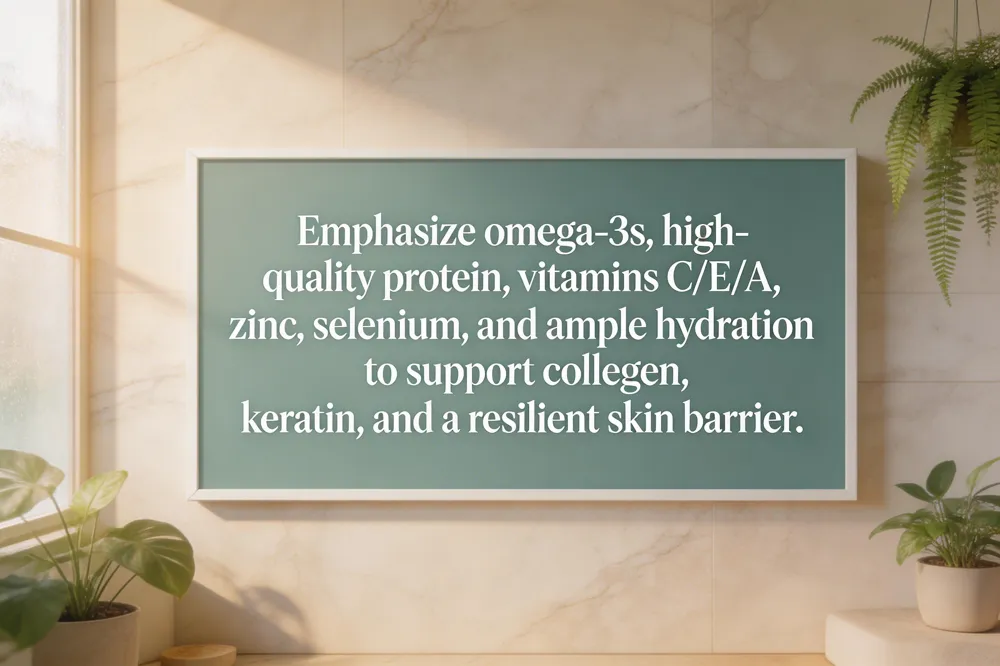 A balanced diet that emphasizes omega‑3 fatty acids, high‑quality protein, essential vitamins and minerals, and ample hydration creates the biochemical foundation for radiant skin and strong hair. Omega‑3s from salmon, walnuts, chia and flaxseed oil curb inflammation and reinforce the skin’s lipid barrier, while protein sources such as lean poultry, fish, eggs, and legumes supply the amino acids needed for collagen and keratin synthesis. Vitamin C (citrus, berries, bell peppers) drives collagen production and acts as a potent antioxidant; vitamin E (nuts, seeds, vegetable oils) protects cell membranes from oxidative stress; vitamin A (carrots, sweet potatoes, leafy greens) supports epidermal turnover; and B‑complex vitamins aid metabolic energy for skin cell renewal. Zinc and selenium, found in pumpkin seeds, shellfish, and Brazil nuts, accelerate wound healing and combat UV‑induced damage. Hydration—through plain water and water‑rich foods like cucumber and watermelon—maintains skin turgor and facilitates nutrient transport. Limiting refined sugars and alcohol keeps glycation low, preserving collagen integrity and ensuring the best outcomes from med‑spa treatments.
Dietary Pitfalls: Foods That Sabotage Clear Skin
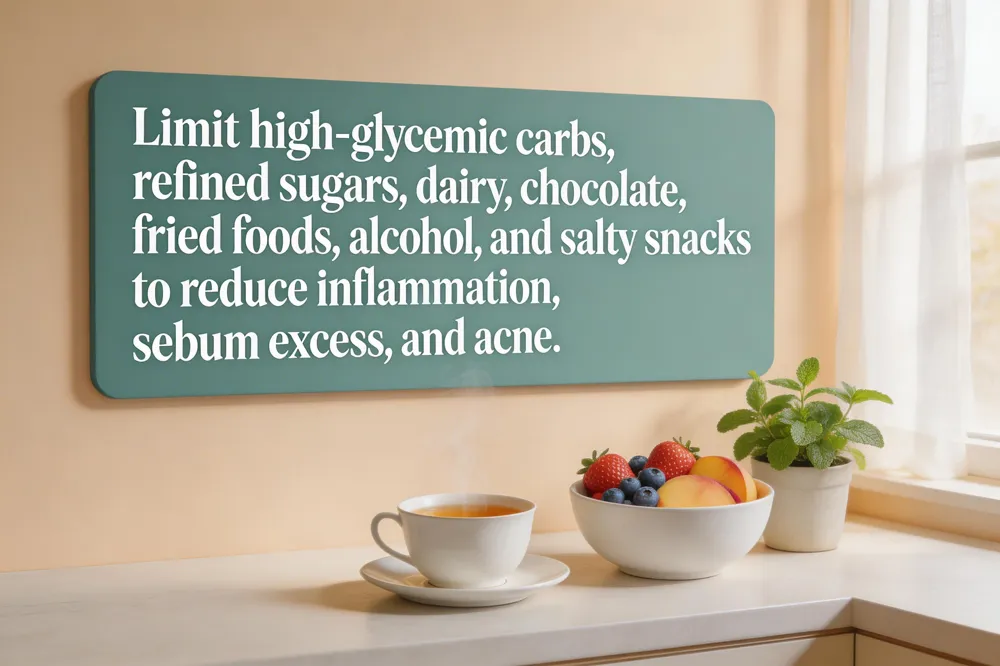 High‑glycemic and refined‑sugar foods—white bread, rice, sugary drinks, pastries—spike blood glucose, trigger insulin, boost sebum and inflammation, worsening acne. Dairy, especially skim milk, contains hormones and IGF‑1 that can stimulate oil production. Chocolate and other sugary desserts add excess sugar, aggravating breakouts; fried foods contribute oily residues that may clog pores, and alcohol dehydrates skin and heightens inflammation.
After breast‑reduction surgery, avoid high‑sugar items (candy, pastries, sodas) that fuel inflammation and delay wound healing. Limit salty, processed snacks that cause fluid retention around incisions. Skip alcohol and caffeine‑heavy drinks for the first weeks to prevent dehydration and immune suppression. Steer clear of very spicy, acidic, or fried foods that irritate the gut and increase postoperative discomfort, and stay away from refined carbs and trans‑fat snacks that raise systemic inflammation.
Post‑Procedure Nutrition: Healing Faster and Better
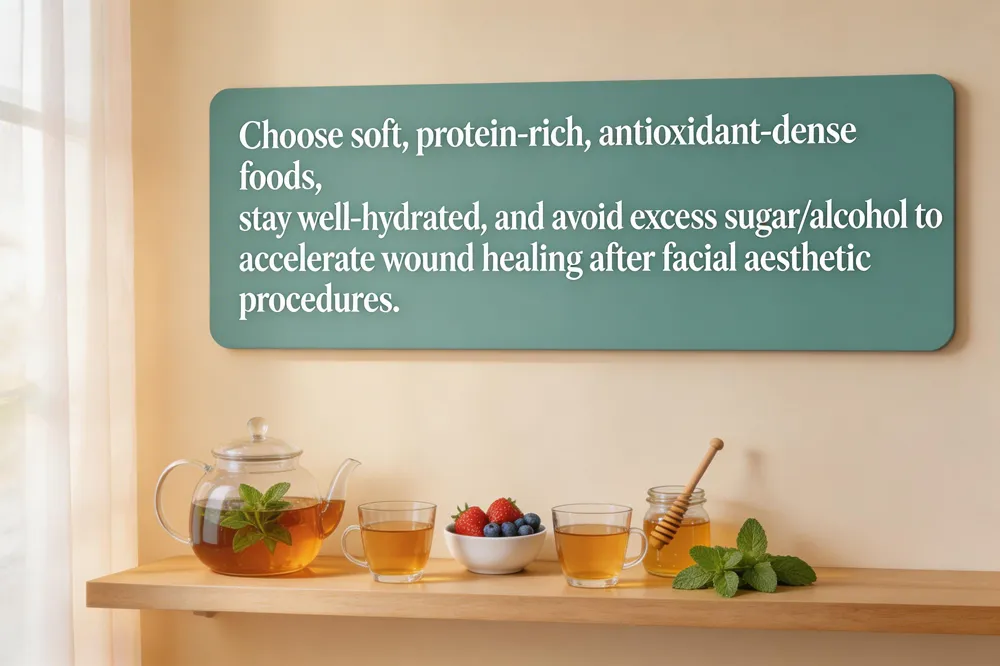 Proper nutrition is a cornerstone of a smooth recovery after facial aesthetic procedures.
Soft, nutrient‑dense foods after facial surgery – In the first few days choose easy‑to‑chew options that deliver protein and antioxidants without stressing incisions. Greek yogurt, scrambled eggs, protein‑rich smoothies, soft tofu, mashed sweet potatoes, oatmeal, avocado, pureed soups (tomato or butternut squash) and bone broth provide the amino acids, vitamins C and A, and anti‑inflammatory omega‑3s needed for tissue repair. Cool items such as applesauce, pudding, or blended fruit smoothies keep calories up while minimizing facial movement.
Timeline for returning to solid foods after a facelift – Most surgeons advise a liquid or soft‑food diet for 3‑5 days. Around day 5‑7, very soft solids (yogurt, mashed potatoes, scrambled eggs) can be introduced, and by day 7‑10 most patients can resume regular solids if chewing is comfortable and swelling is controlled.
Anti‑inflammatory and protein‑rich options for faster wound healing – Lean proteins (chicken, fish, eggs, beans, quinoa), vitamin‑C‑rich fruits and vegetables (citrus, berries, bell peppers, leafy greens), healthy fats (olive oil, avocado, nuts, seeds) and omega‑3 sources (salmon, walnuts, flaxseed) reduce inflammation and support collagen synthesis. Stay hydrated with 1.5‑2 L of water daily and avoid excess sugar, processed foods, and alcohol.
PDF resources for wound‑healing nutrition – Detailed guidelines are available in the NIH handout “Eating Well for Wound Healing” (2021) and the clinical guide “Nutrition Guidelines to Improve Wound Healing” (2020), both downloadable PDFs from PubMed and the National Institutes of Health.
Targeted Nutrition for Specific Med Spa Treatments
 Acne‑focused therapies benefit from a low‑glycemic, antioxidant‑rich diet that limits added sugars (WHO ≤ 50 g/day) and includes vitamin C, zinc, and omega‑3s to curb inflammation and support collagen. In Worcester, MA, med spas such as Aponi Aesthetics and Skin Type Solutions offer Botox, Dysport, dermal fillers, microneedling, and laser resurfacing, all of which heal faster when patients stay hydrated, consume lean protein, and avoid processed carbs. Near Auburn, MA, clinics integrate nutrition coaching—emphasizing water‑rich foods, leafy greens, berries, and healthy fats—to enhance Botox, HydraFacial®, and CO2 laser outcomes, reinforcing skin elasticity and reducing post‑procedure redness. Personalized, nutrient‑dense eating plans thus amplify natural rejuvenation across these U.S. aesthetic centers.
Practical Tips for Patients
 When budgeting for a $500 facial, a 15 %–20 % tip ($75‑$100) is customary; many clients round up to $80, $90 or $100 for convenience. Red flags at med spas include the absence of a licensed medical director or qualified injector, rushed consultations, unsterile equipment, prices that sound too good to be true, aggressive upselling, and vague after‑care instructions. Foods that act like Botox are hydrating options such as watermelon and cucumber, omega‑3‑rich salmon, antioxidant‑dense berries and citrus, dark leafy greens, magnesium‑rich seeds, and collagen‑building proteins from lean beef or avocado. For overnight skin clarity, prioritize water‑rich cucumber, watermelon, berries, leafy greens, avocado, walnuts, probiotic yogurt, low‑glycemic pumpkin seeds, and stay well‑hydrated. To boost glow in three days, drink 8‑10 glasses of water, green tea, eat grilled salmon or tofu twice daily, pair meals with berries or kiwi, leafy greens dressed in olive oil and lemon, add a handful of nuts and plain Greek yogurt, and avoid sugar, refined carbs, dairy, juice, and coffee.
Integrating Nutrition into Your Aesthetic Journey
A personalized nutrition plan, often crafted with a registered dietitian, gives each client the exact balance of protein, vitamin C, zinc, and omega‑3 fatty acids needed to support collagen synthesis and wound healing after Botox, fillers, or laser resurfacing at Timeless Med Spa. Consistent hydration—at least eight glasses of water plus water‑rich foods such as cucumber and watermelon—keeps skin plump and enhances the delivery of antioxidants from berries, leafy greens, and nuts, which neutralize free radicals generated by UV exposure and procedural stress. Monitoring food sensitivities, especially to refined sugars, dairy, or high‑glycemic items, helps prevent glycation and inflammation that can undermine treatment results. Over the long term, this skin‑friendly diet sustains elasticity, reduces scar formation, and prolongs the durability of non‑invasive aesthetic outcomes.