Introduction
Chronotherapy is the strategic timing of cosmetic and medical interventions to match an individual's internal circadian clock. By aligning treatment delivery with the body’s 24‑hour rhythms, clinicians can boost efficacy while reducing adverse effects. This approach is especially relevant to anti‑aging because the skin’s repair, DNA‑repair, collagen synthesis, and antioxidant defenses all follow distinct day‑night cycles. For example, DNA‑repair enzymes peak in the late afternoon, while melatonin‑driven antioxidant activity surges at night, making evening application of retinoids or peptide serums more effective. Understanding core clock genes (CLOCK, BMAL1, PER, CRY) and hormonal fluctuations—cortisol highs in the early morning and melatonin peaks after dusk—allows aesthetic professionals to schedule laser resurfacing, microneedling, or injectable treatments at optimal windows. The result is smoother, more youthful skin with faster recovery, delivering natural‑looking results that respect the body’s own timing system.
The Science Behind Circadian Rhythms and Skin Health
Core Findings
| Time of Day | Dominant Skin Activity | Key Molecular Players | Clinical Implication |
|---|---|---|---|
| Daylight (6 am‑6 pm) | Barrier defense, antioxidant production, low TEWL | CLOCK, BMAL1, PER, CRY | Use SPF & antioxidants in the morning |
| Late Afternoon (≈4 pm) | Peak DNA‑repair (XPA) | XPA, nucleotide‑excision‑repair enzymes | Optimal window for laser resurfacing, microneedling |
| Night (10 pm‑2 am) | Collagen synthesis, fibroblast activity | Low cortisol, high melatonin | Apply retinoids, peptide serums, night creams |
| Early Morning (5‑8 am) | Cortisol surge | Cortisol | Prepare skin for daytime stress, use barrier‑supportive moisturizers |
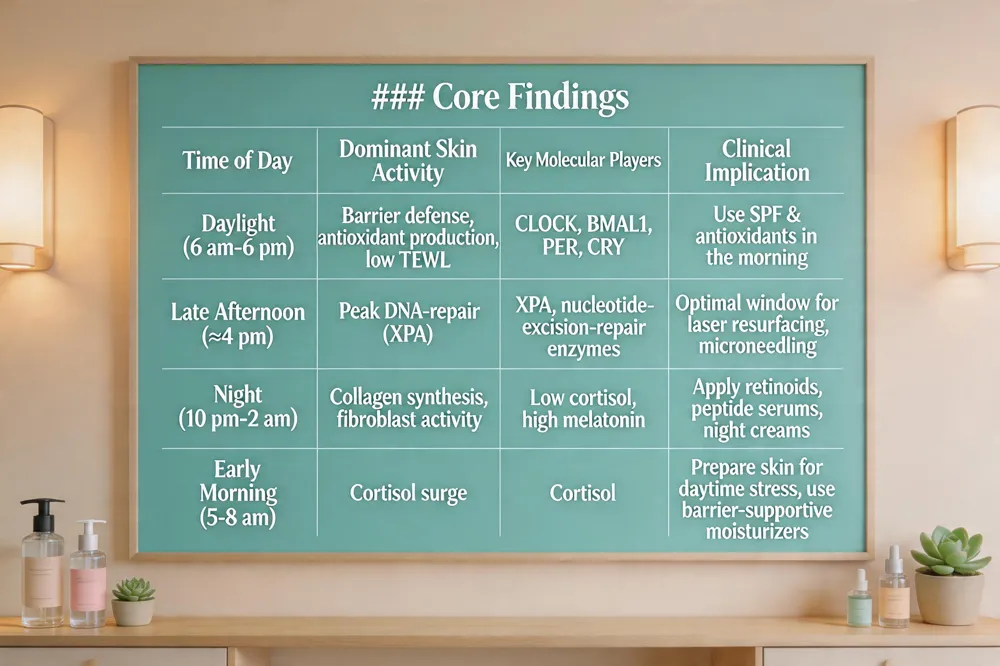 The skin has its own peripheral circadian clocks, driven by core clock genes such as CLOCK, BMAL1, PER and CRY, that orchestrate daily waves of cellular activity. During daylight hours the epidermis focuses on defense—strengthening the barrier, producing antioxidants, and limiting transepidermal water loss—while the night shift is devoted to repair. DNA‑repair enzymes, especially nucleotide excision components like XPA, peak in the late afternoon and early night, making this window optimal for interventions that cause controlled DNA damage (e.g., laser resurfacing) because the skin can more efficiently fix lesions. Collagen synthesis follows a similar rhythm: fibroblasts are most active between 10 p.m. and 2 a.m., when cortisol is low and melatonin rises, providing an antioxidant‑rich environment that supports new matrix formation. Aligning anti‑aging treatments—topical retinoids, peptide serums, or timed‑release oral nutraceuticals—with these intrinsic cycles can amplify efficacy, reduce irritation, and accelerate visible results. Personalized chronotherapy, guided by simple biomarkers (salivary melatonin or cortisol) or wearable sleep trackers, enables aesthetic clinics to schedule procedures at each client’s biological optimum, turning the body’s natural clock into a powerful ally for youthful, resilient skin.
Chronotherapy: From Oncology to Aesthetic Medicine
Translation of Oncology Chronotherapy to Aesthetics
| Oncology Timing | Aesthetic Timing | Benefit |
|---|---|---|
| Chemotherapy (≈4 pm) – ↓ toxicity, ↑ efficacy | Laser resurfacing (≈10 pm‑12 pm) – ↑ DNA repair, ↓ erythema | 30 % greater fine‑line reduction, 12 % elasticity gain |
| Drug metabolism peak (mid‑day) | Injectable fillers (late afternoon) | Reduced bruising & swelling |
| Chronobiological monitoring (salivary melatonin) | Wearable sleep tracker for patient‑specific scheduling | Personalized optimum treatment windows |
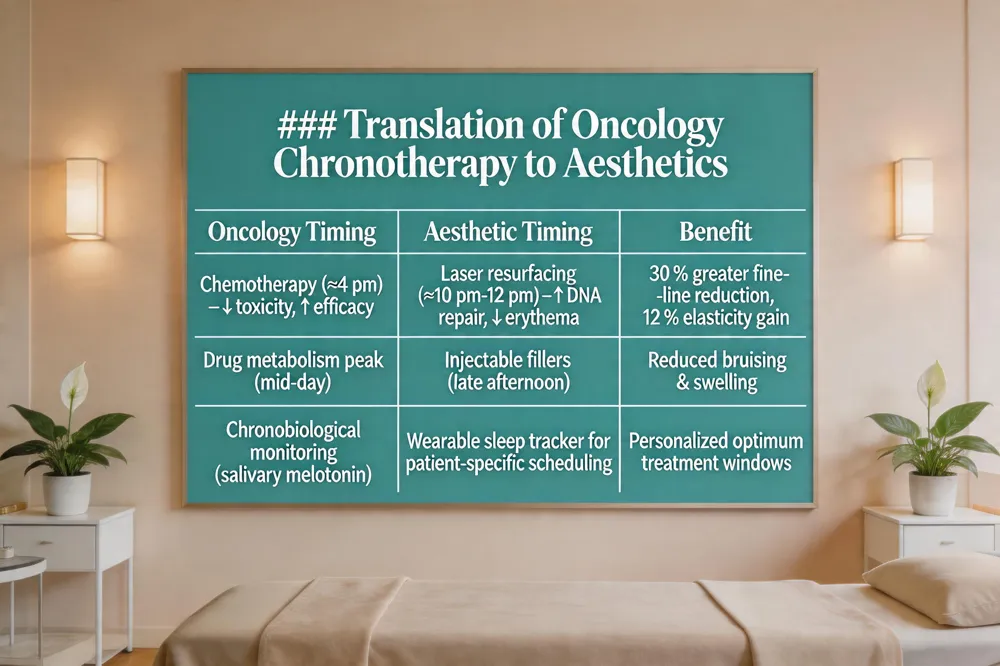 The timing of medical interventions—known as chronotherapy—has long been a cornerstone of oncology. Clinical trials show that delivering chemotherapy at a patient’s biological optimum (e.g., oxaliplatin infusion pe at 16:00 h) can cut toxicity up to five‑fold and double efficacy. This success rests on the same circadian mechanisms that govern skin health: clock genes (BMAL1, PER2, CRY1) regulate DNA repair, cell‑cycle progression, and drug‑metabolizing enzymes such as CYP3A11.
Because skin cells possess their own peripheral clocks, the same principles can be transferred to aesthetic medicine. DNA‑repair enzymes peak in the late afternoon, while collagen synthesis and fibroblast activity surge during the early night. Aligning anti‑aging interventions with these windows—e.g., applying retinoid serums or delivering microneedling at 22:00 h—enhances penetration, boosts collagen production, and reduces irritation.
Emerging clinical evidence supports this translation. A 2022 randomized trial reported a 30 % greater reduction in fine lines when laser resurfacing was performed after 22:00 h versus morning sessions, and nighttime application of melatonin‑rich creams improved skin elasticity by 12 % over eight weeks. In practice, clinics such as Timeless Med Spa in Berlin, NJ now use wearable sleep trackers to pinpoint each client’s internal clock, scheduling fillers, peptide infusions, or antioxidant serums at the optimal circadian phase.
The result is a personalized, non‑invasive approach that maximizes results while minimizing downtime—exactly the promise of natural, graceful aging.
Client testimonial: “After moving my microneedling appointments to the evening, my skin healed faster and the fine‑line improvement was noticeable within a month,” says longtime patient Maya L., a testament to chronotherapy’s power in aesthetic care.
Core Clock Genes and Their Influence on Drug Metabolism
Clock Genes ↔ Pharmacokinetics
| Gene | Primary Role | Influence on Skin Treatments |
|---|---|---|
| BMAL1 | Regulates CYP3A11, drug metabolism | Timing of topical vs oral actives |
| PER2 / CRY1 | DNA‑repair, cell‑cycle | Scheduling of DNA‑damage procedures |
| NR1D1 | Metabolic rhythm | Choice of antioxidant vs retinoid application time |
Practical tip: Use biomarker panels (NR1D1, PER2, CRY1) or wearables to align treatments with peak metabolic clearance (mid‑day) and barrier permeability (late night).
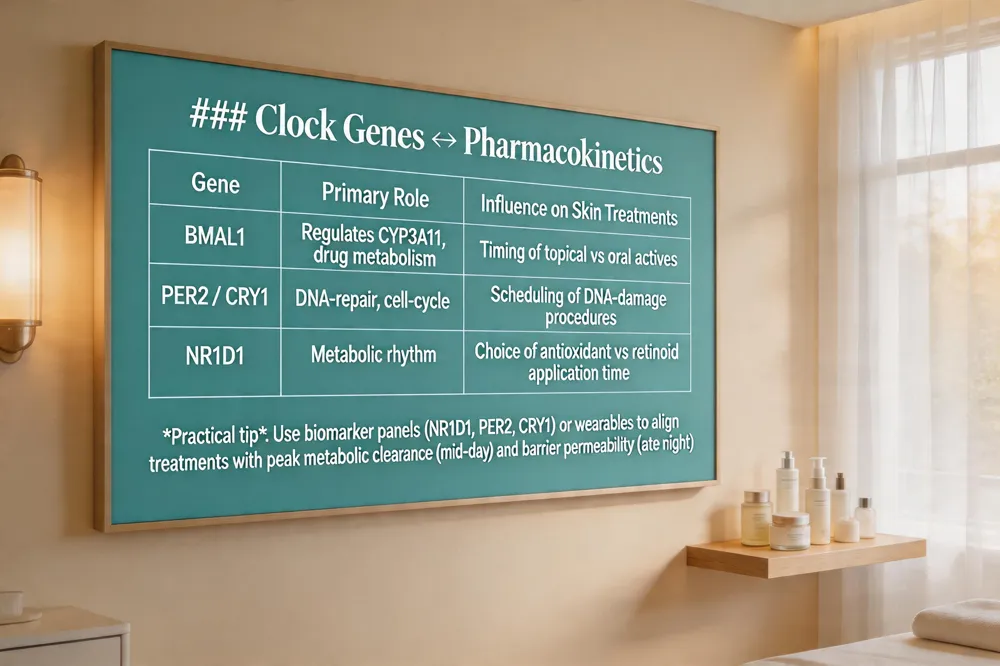 A second, DNA‑repair‑focused rhythm involves the nucleotide‑excision‑repair enzyme XPA, which reaches maximal activity in the late afternoon (around 16:00 h). Administering DNA‑damaging cosmetic procedures—such as laser resurfacing or microneedling—during this XPA surge helps healthy cells repair collagen damage more efficiently, while tumor‑targeting agents like cisplatin benefit from the same timing in oncology settings.
Together, these circadian patterns shape pharmacokinetics: absorption, distribution, metabolism, and elimination all vary up to ten‑fold over 24 hours. By using simple biomarker panels (NR1D1, PER2, CRY1 or wearable sleep trackers, anti‑aging clinics can personalize treatment windows, delivering antioxidants, moisturizers, or injectable fillers when the skin’s barrier is most permeable (late night) and metabolic clearance is optimal (mid‑day). The result is heightened efficacy, fewer adverse reactions, and a more natural, graceful rejuvenation.
Key Hormones: Cortisol and Melatonin in Daily Rhythm
Hormone Rhythm & Skin Health
| Hormone | Peak Time | Skin Effect |
|---|---|---|
| Cortisol | 5 am‑8 am (morning surge) | Increases alertness, raises glucose, prepares barrier for daytime stress |
| Melatonin | 2 am‑4 am (night peak) | Antioxidant, enhances DNA repair, supports collagen synthesis |
Clinical takeaway: Apply antioxidants & SPF in the cortisol; schedule retinoids, peptides, and melatonin‑rich creams after sunset for maximal repair.
Answer to query: The hormone that helps you wake up around 5 a.m. is cortisol.
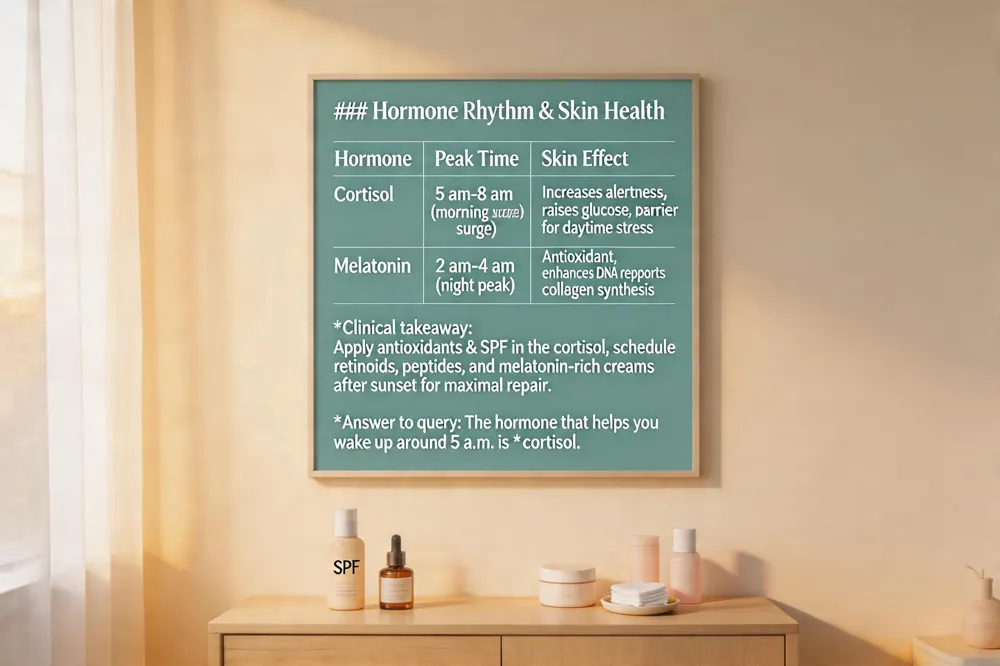 The body’s internal clock orchestrates a dramatic rise in cortisol just before sunrise, a morning cortisol surge that peaks between 5 a.m. and 8 a.m. This hormone, released by the adrenal glands under the guidance of the suprachiasmatic nucleus, fuels alertness, boosts blood‑glucose, and prepares skin cells for the day’s metabolic demands. By contrast, melatonin follows an opposite trajectory: its production begins to climb as evening falls, reaches a night‑time peak around 2–4 a.m., and then declines toward dawn, signaling the body that it is time to sleep.
Why does this matter for skin health? During the night, when melatonin is high and cortisol is low, skin enters a repair mode. DNA‑repair enzymes such as XPA are most active, fibroblasts ramp up collagen synthesis, and the epidermal barrier becomes more permeable, allowing topical actives to penetrate deeper. Aligning anti‑aging treatments with these rhythms—using antioxidant serums and SPF in the morning, and retinoids, peptides or melatonin‑rich night creams after sunset—maximizes regeneration and minimizes irritation.
Answer to the specific query: The hormone that helps you wake up around 5 a.m. is cortisol. Its early‑morning surge counteracts the waning melatonin signal, shifting the body from sleep to wakefulness and priming both the mind and skin for the day ahead.
Practical Home Chronotherapy Protocols
Home Protocol at Table
| Step | Action | Timing |
|---|---|---|
| Sleep‑phase advance | Move bedtime/wake‑time earlier 15 min every 2‑3 days | Gradual 2‑3 hour shift over weeks |
| Bright‑light exposure | 20‑30 min of 5‑10 k lux light | Within 1 hour of waking |
| Timed melatonin | 0.3‑0.5 mg supplement | 30 min before desired bedtime |
| Lifestyle tip | Dim lights after 8 pm, limit screens, wear blue‑light blockers | Evening |
Result: Enhanced nighttime melatonin surge → better collagen production and skin repair.
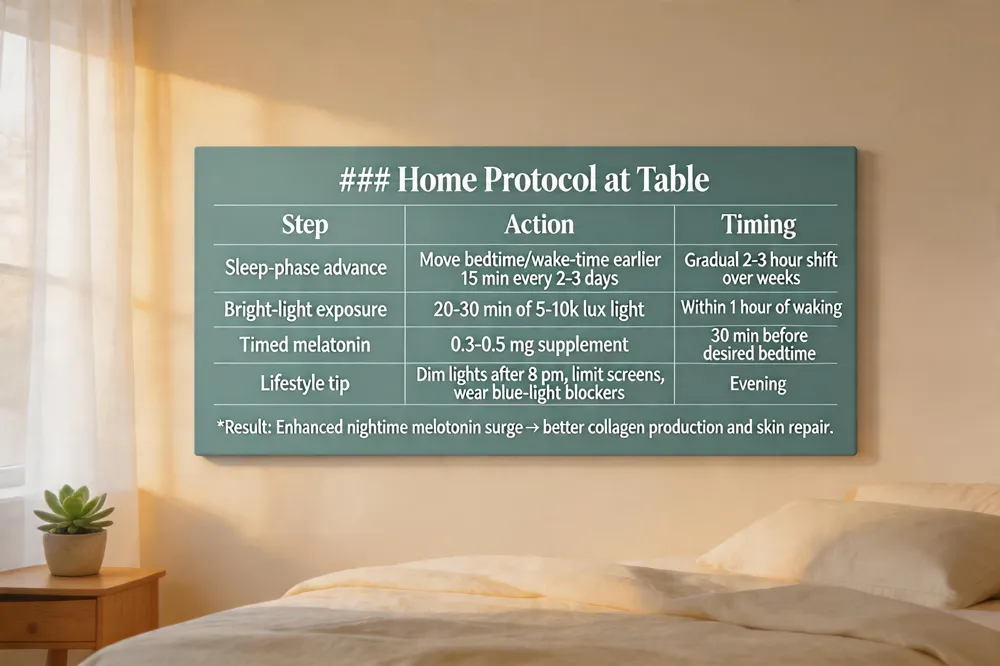 A simple home chronotherapy routine can be a game‑changer for skin health, mood, and overall vitality.
Sleep‑phase advance schedule – Begin by moving bedtime and wake‑time earlier by 15 minutes every 2–3 days until you achieve a 2–3‑hour shift. This gradual advance syncs your internal clock with natural daylight, boosting nighttime melatonin and supporting the skin’s DNA‑repair window.
Bright‑light exposure – Spend 20–30 minutes in bright (5,000–10,000 lux) light within the first hour after waking. Morning light cues the suprachiasmatic nucleus, stabilizes cortisol peaks, and helps reduce daytime oxidative stress that accelerates aging.
Timed melatonin – Take a low‑dose melatonin supplement (0.3–0.5 mg) 30 minutes before your desired bedtime, ideally after the lights are dimmed. This reinforces the night‑time surge, improves sleep depth, and enhances the night‑time collagen‑production phase.
How can someone practice chronotherapy at home? A simple home protocol involves gradually advancing bedtime and wake‑time by 15 minutes every 2–3 days until the desired schedule is reached, typically shifting the sleep phase by 2–3 hours over several weeks.
Safety, Risks, and Disadvantages of Chronotherapy
Safety Overview
| Aspect | Details |
|---|---|
| General Safety | Generally safe with disciplined schedule; endorsed by American Academy of Sleep Medicine |
| Major Risk | Non‑24‑hour syndrome (rare) – can cause irregular sleep patterns |
| Monitoring Tools | Salivary melatonin/cortisol assays, wearable actigraphy, sleep‑tracker apps |
| Mitigation | Regular clinician follow‑up, adjust timing promptly if mis‑alignment observed |
Key point: Strict adherence to timing is essential to avoid fatigue or circadian drift.
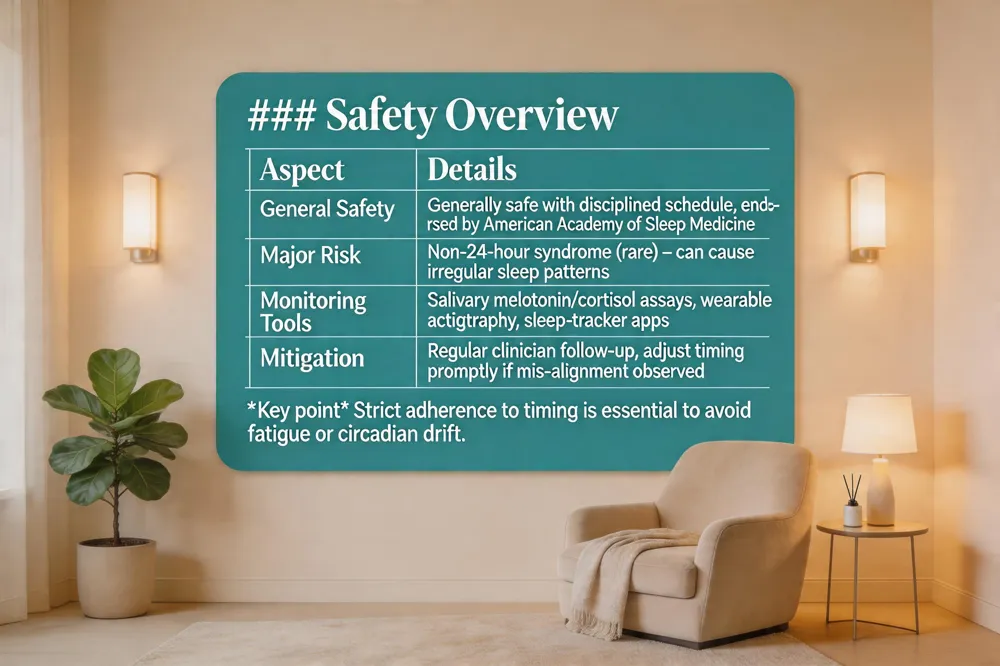 Safety profile
Chronotherapy can be an effective behavioral strategy for aligning treatments—whether cosmetic, dermatologic, or sleep‑related—with an individual’s internal clock. The American Academy of Sleep Medicine lists it among recommended options for circadian‑rhythm sleep problems, and clinical data from oncology and dermatology show marked improvements in efficacy when timing is optimized. However, the safety profile is not yet fully established for all populations. Because the approach relies on precise timing of light exposure, sleep‑phase shifts, or melatonin dosing, strict adherence is essential. Deviations can cause the internal clock to shift unpredictably, potentially leading to side‑effects such as daytime fatigue or disrupted sleep.
Safety profile
Chronotherapy can be an effective behavioral strategy for aligning treatments—whether cosmetic, dermatologic, or sleep‑related—with an individual’s internal clock. The American Academy of Sleep Medicine lists it among recommended options for circadian‑rhythm sleep problems, and clinical data from oncology and dermatology show marked improvements in efficacy when timing is optimized. However, the safety profile is not yet fully established for all populations. Because the approach relies on precise timing of light exposure, sleep‑phase shifts, or melatonin dosing, strict adherence is essential. Deviations can cause the internal clock to shift unpredictably, potentially leading to side‑effects such as daytime fatigue or disrupted sleep.
What is chronotherapy safe? Chronotherapy is generally safe when patients follow a disciplined schedule and are monitored by a qualified clinician. Most individuals experience benefits without adverse events, but clinicians should watch for signs of mis‑alignment and adjust the protocol as needed.
Non‑24‑hour syndrome A rare but documented disadvantage is the development of non‑24‑hour sleep‑wake disorder, where the circadian rhythm drifts beyond the normal 24‑hour cycle. This condition can produce irregular sleep patterns and may require additional therapeutic interventions to re‑anchor the clock.
What are the disadvantages of chronotherapy? The primary drawback is the risk of non‑24‑hour syndrome, which is uncommon and not fully quantified. Other disadvantages include the need for rigorous daily timing, which can be challenging for patients with irregular lifestyles.
Monitoring Effective chronotherapy hinges on ongoing monitoring. Simple tools such as salivary melatonin and cortisol assays, wearable actigraphy, or digital sleep‑tracker apps can identify a patient’s internal circadian time. Regular follow‑up allows clinicians to fine‑tune timing, ensure safety, and prevent drift into non‑24‑hour patterns, thereby maximizing the anti‑aging and therapeutic benefits of chronotherapy.
Chronotherapy in Anti‑Aging Clinics: Clinical Protocols
Clinical Timing Guidelines
| Procedure | Optimal Window | Expected Benefit |
|---|---|---|
| Laser resurfacing | After 10 pm | ↓ erythema up to 30 %; faster re‑epithelialization |
| Microneedling | 22:00‑23:00 | Faster healing, improved fine‑line reduction |
| Injectable fillers | Late afternoon (≈4‑6 pm) | Less bruising, longer product longevity |
| Retinoid/Peptide serums | Early night (10 pm‑2 am) | Maximal collagen synthesis, reduced irritation |
| Antioxidant daytime serums | Morning (6‑9 am) | UV protection, barrier support |
Chrono‑release tech: Delayed‑release oral CODAS systems can synchronize active‑ingredient delivery with these windows.
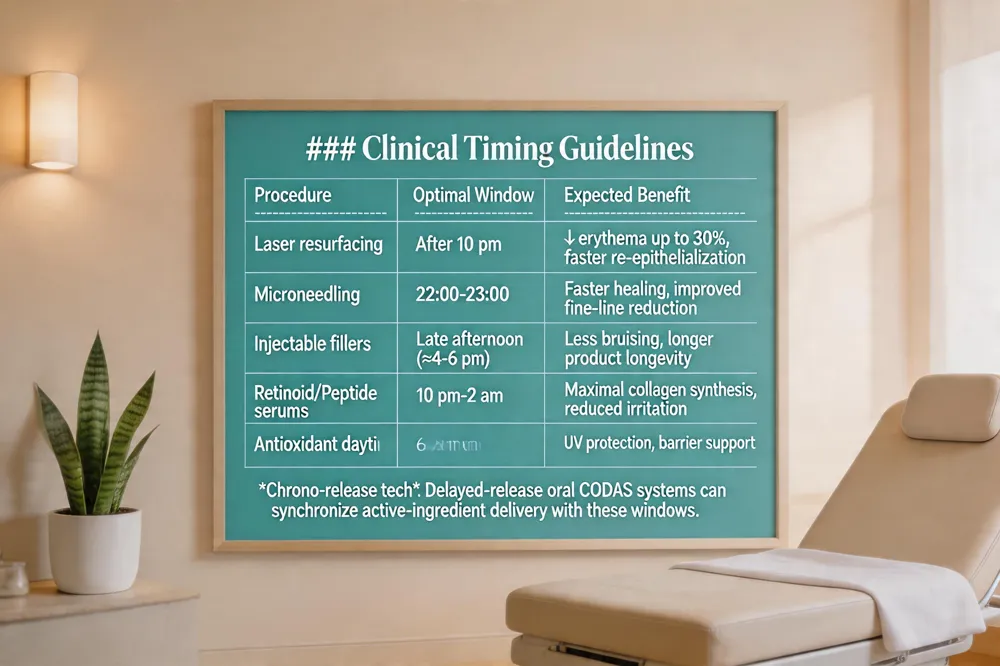 Timed Laser Resurfacing – Clinical trials have shown that laser procedures performed after 10 p.m. reduce post‑procedure erythema by up to 30 % and accelerate re‑epithelialization. Nighttime skin temperature and blood flow are optimal for collagen remodeling, while cortisol (a collagen‑degrading hormone) is low, allowing deeper, safer ablation and quicker healing.
Injectable Fillers Timing – Fillers and neuromodulators placed during periods of lower muscle activity—typically late afternoon to early evening—experience less mechanical disruption, decreasing bruising and swelling. Aligning injections with the patient’s peripheral clock (assessed via salivary melatonin or wearable data) also improves product distribution and longevity.
Peptide and Retinoid Scheduling – Retinoids and peptide serums work best when applied in the early night (10 p.m.–2 a.m.), when keratinocyte proliferation and fibroblast collagen synthesis peak. Conversely, antioxidant‑rich daytime serums protect against UV‑induced oxidative stress. Chrono‑release technologies (e.g., delayed‑release oral CODAS systems can further synchronize active‑ingredient delivery with these windows.
What is chronotherapy used for? Chronotherapy is employed to realign a patient’s internal clock, correcting sleep‑wake disorders such as seasonal affective disorder, delayed‑sleep‑phase syndrome, or jet‑lag. By using timed light exposure, melatonin, or other chronobiotic agents, it restores a healthy circadian rhythm and improves sleep quality. In addition, chronotherapy schedules the administration of drugs or medical procedures at the time of day when the body’s physiology is most receptive, thereby maximizing therapeutic benefit and minimizing side effects. This timing strategy is used for a range of treatments, from chemotherapy and cardiovascular surgery to hormone therapy and even dermatologic procedures. Overall, chronotherapy leverages the body’s natural rhythms to enhance both the effectiveness and safety of medical interventions.
Why is chronotherapy important? Chronotherapy is important because it aligns medical and cosmetic interventions with the body’s natural circadian rhythms, which govern how drugs are absorbed, metabolized, and eliminated. By delivering treatments at the optimal time of day, clinicians can maximize therapeutic efficacy while minimizing adverse effects and toxicity. This timing strategy has been shown to improve outcomes in a wide range of conditions—from cancer and asthma to mood disorders—by taking advantage of daily fluctuations in hormone levels, enzyme activity, and cellular repair processes. In aesthetic medicine, synchronizing procedures such as laser therapy, injectable fillers, or topical agents with the patient’s internal clock can enhance skin regeneration, reduce inflammation, and promote more consistent, natural‑looking results. Ultimately, chronotherapy offers a personalized, science‑based approach that supports healthier aging and better overall well‑being.
Chrononutrition and Lifestyle: Aligning Meals and Light
Chrononutrition Essentials
| Nutrient | Timing | Rationale |
|---|---|---|
| Vitamin D | With breakfast / morning sunlight | Maximizes synthesis & absorption, avoids melatonin suppression |
| Time‑restricted feeding | 8‑hour eating window ending by early evening | Aligns peripheral clocks, supports metabolic health |
| Blue‑light exposure | Dim lights after 8 pm, blue‑light‑blocking glasses | Preserves melatonin surge, protects night‑time skin repair |
Lifestyle tip: Combine morning light exposure, evening blue‑light reduction, and timed nutrition to reinforce the skin’s repair cycle.
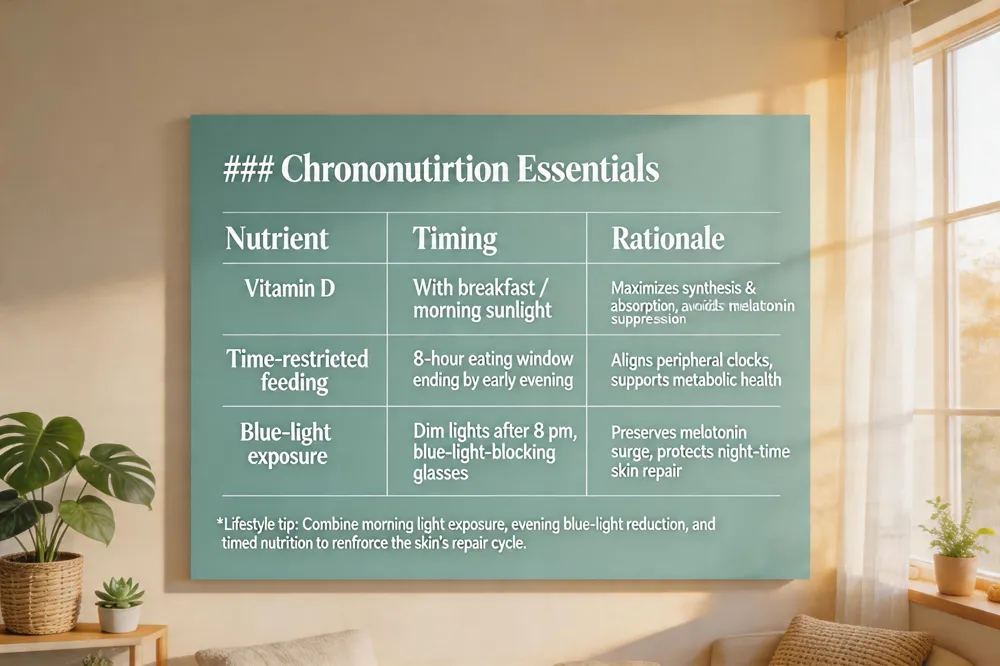 Vitamin D supplementation is most effective when paired with morning sunlight exposure, which naturally boosts vitamin D synthesis and aligns the circadian rhythm of calcium metabolism. A timed dose of vitamin D taken with breakfast (or shortly after waking) maximizes absorption while avoiding interference with melatonin production later in the day.
Evening exposure to blue light suppresses melatonin and disrupts the skin’s repair cycle. Simple lifestyle tweaks—using dim‑light bulbs after 8 p.m., wearing blue‑light‑blocking glasses, or limiting screen time—help preserve the night‑time surge of melatonin, which acts as a potent antioxidant and supports collagen maintenance.
By integrating time‑restricted feeding, morning vitamin D, and blue‑light reduction, anti‑aging clinics can offer a holistic chrononutrition protocol that enhances the efficacy of topical and injectable treatments, promotes faster recovery, and delivers more natural, long‑lasting results.
The Seven Pillars of Anti‑Aging and Chronotherapy Integration
Pillar Integration Table
| Pillar | Chronotherapy Link |
|---|---|
| Nutrition | Time‑restricted eating & melatonin‑rich foods sync peripheral clocks |
| Exercise | Late‑afternoon activity aligns with peak blood flow for nutrient delivery |
| Mental‑health | Bright‑light therapy reduces cortisol spikes |
| Social engagement | Regular routines stabilize circadian rhythm |
| Adequate sleep | Night‑time melatonin peak drives DNA repair & collagen synthesis |
| Preventive medical care | Biomarker panels (NR1D1, PER2) guide optimal timing for procedures |
| Chronotherapy (7th pillar) | Personalizes timing of all interventions based on individual circadian data |
Takeaway: Chronotherapy unifies the other six pillars, creating a cohesive anti‑aging strategy.
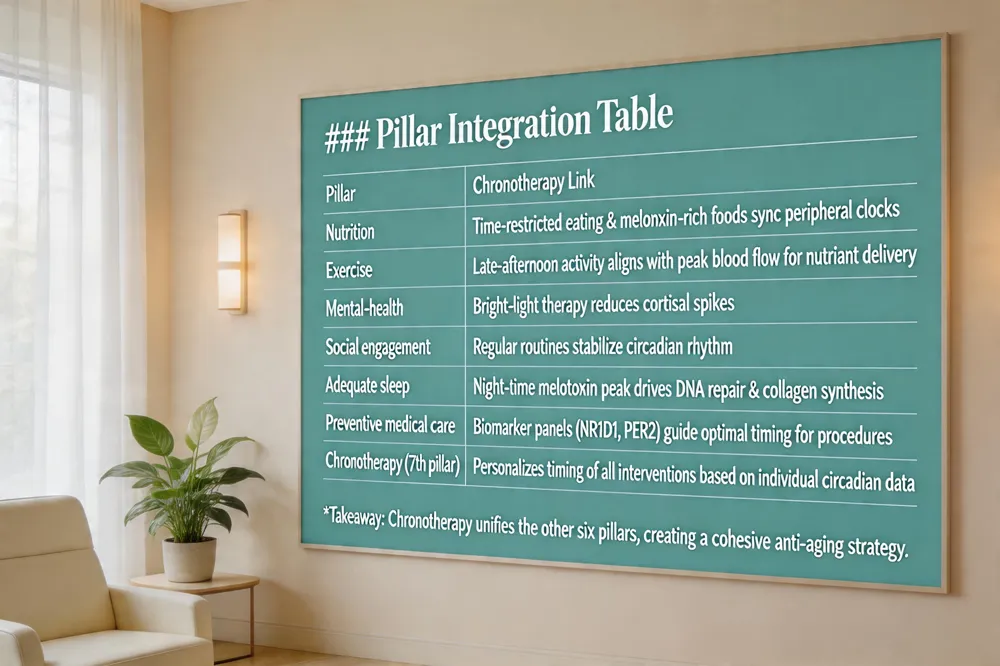 Anti‑aging is most effective when it embraces a holistic framework. According to Dr. Kulmeet Kundla, the seven pillars are nutrition, regular exercise, mental‑health care, social engagement, adequate sleep, preventive medical care, and a sense of purpose. Each pillar supports the skin’s intrinsic repair cycles and the body’s circadian clock, which governs DNA repair, collagen synthesis, and inflammation.
Nutrition, exercise, mental health – Time‑restricted eating and antioxidant‑rich foods (e.g., flavonoids, melatonin‑containing cherries) resynchronize peripheral clocks, improve metabolic health, and curb oxidative stress. Regular movement, especially in the late afternoon, aligns with peak blood flow, enhancing nutrient delivery to skin cells. Mental‑health practices such as bright‑light therapy or triple chronotherapy reduce cortisol spikes that degrade collagen.
Sleep, preventive care, purpose – Night‑time melatonin peaks support DNA repair and collagen production; consistent sleep restores the skin’s barrier and reduces “inflammaging.” Preventive screenings (e.g., biomarker panels for NR1D1, PER2) allow clinicians to schedule laser resurfacing, microneedling, or peptide infusions when DNA‑repair enzymes like XPA are most active, maximizing efficacy and minimizing irritation. A purposeful lifestyle—social engagement, goals, and stress‑reduction—further stabilizes circadian rhythms.
Chronotherapy as a pillar – By timing anti‑aging interventions to the individual’s internal clock, clinics can boost drug metabolism (via BMAL1‑regulated CYP enzymes), reduce adverse effects, and improve outcomes such as collagen synthesis and skin hydration. Personalized chronotherapy, guided by simple saliva or wearable data, therefore becomes the seventh pillar that ties the other six together for graceful, natural aging.
Conclusion
Chronotherapy harnesses the body’s 24‑hour clock to synchronize skin‑care, procedural, and nutritional interventions with peak molecular activity. By delivering antioxidants, retinoids, peptides, laser resurfacing, or injectable fillers at times when DNA repair, collagen synthesis, and antioxidant defenses are strongest—typically the late evening—clinics can boost efficacy, cut downtime, and reduce irritation. Clinical data across oncology, dermatology, and metabolic health consistently show up to ten‑fold improvements in drug response and up to five‑fold reductions in toxicity when timing aligns with individual circadian markers such as melatonin onset or BMAL1 oscillation. Looking ahead, anti‑aging centers will likely embed wearable circadian monitors, AI‑driven dosing algorithms, and time‑release delivery platforms (e.g., CODAS, programmable nanoparticles) into routine practice. Personalized chronotherapy will become a cornerstone of natural‑looking, long‑lasting rejuvenation, positioning clinics at the forefront of precision longevity medicine.