
A Fresh Look at Skin
Dullness and rough texture can make skin look tired, even when it feels healthy. Microdermabrasion is a minimally invasive cosmetic treatment that gently removes the outermost layer of skin, helping reveal a smoother, brighter-looking surface. The Cleveland Clinic’s overview of microdermabrasion notes that it may also make some mild concerns, such as uneven tone and fine lines, less noticeable.
Results vary, and treatment does not stop the skin’s natural aging process. At Timeless Med Spa in Berlin, New Jersey, a personalized approach means considering your skin’s condition and goals before discussing whether microdermabrasion may be suitable. A consultation can also help set realistic expectations about the changes to look for and whether another option may better address your concerns.
How Surface Exfoliation Works
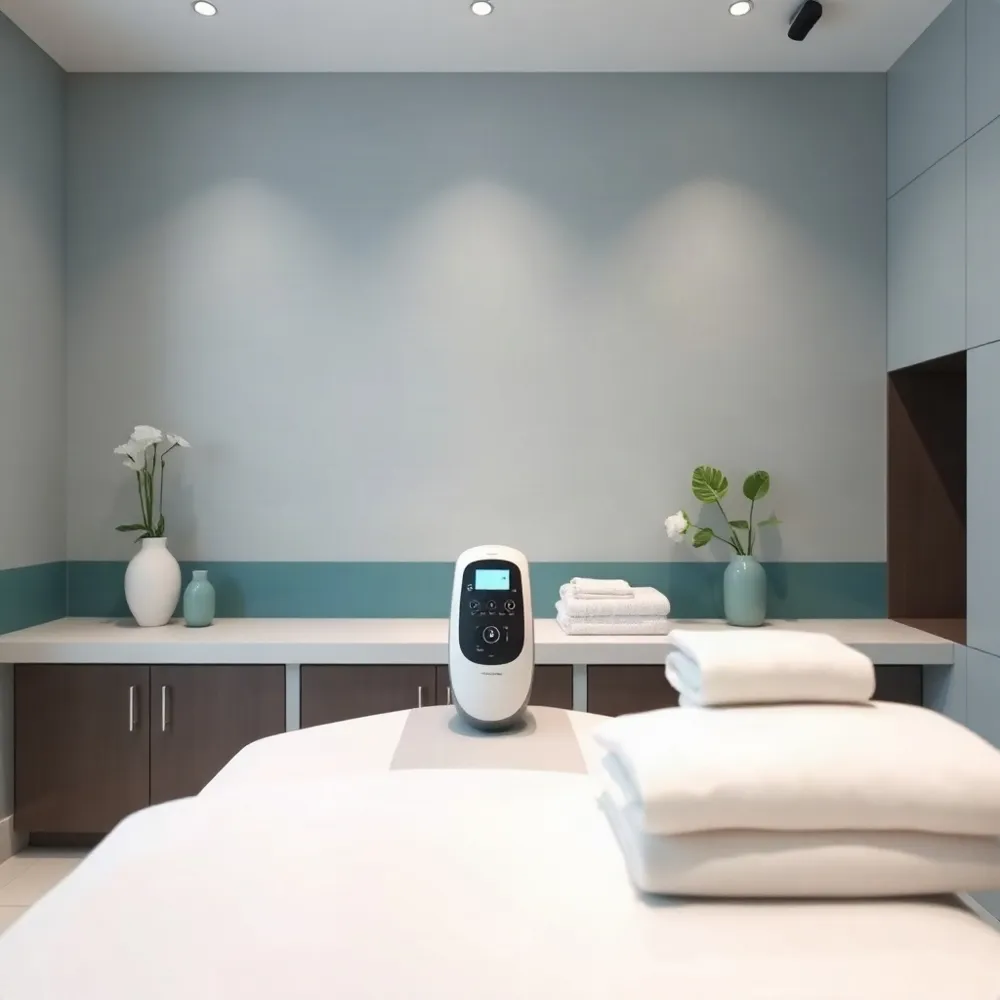 Microdermabrasion is a minimally invasive treatment that gently removes dead or damaged cells from the skin’s uppermost layer. By focusing on the surface, it can refresh the skin without reaching as deeply as some resurfacing procedures.
Providers commonly use one of two methods: a device streams tiny crystals across the skin and suctions away the crystals and loosened cells, or a diamond-tipped wand exfoliates the surface while debris is removed. Both approaches use physical exfoliation, as described in the Cleveland Clinic’s overview of microdermabrasion.
A session typically takes about 30 to 40 minutes. Anesthetic is generally unnecessary, and treatment is usually not painful, though you may notice mild scratching, stinging, suction, or vibration. The American Academy of Dermatology’s microdermabrasion FAQs also describe a sanding-like sensation during treatment.
The treatment choice depends on how deep the concern sits and what your skin can tolerate. Microdermabrasion works on the top layer, while a chemical peel can exfoliate more deeply; dermabrasion is more aggressive and involves a longer recovery. At Timeless Med Spa in Berlin, New Jersey, a personalized skin-care approach can help frame whether surface exfoliation fits your goals.
Concerns It May Improve
 By lifting away dead or damaged surface cells, microdermabrasion can reveal newer skin and leave it feeling smoother and looking brighter. At Timeless Med Spa in Berlin, New Jersey, treatment goals can be discussed as part of a personalized approach to skin rejuvenation.
The treatment may make dullness, uneven tone, age spots, sun damage, enlarged pores or blackheads, fine lines and wrinkles, mild acne scars, and stretch marks less noticeable. These are cosmetic changes, not guaranteed outcomes: microdermabrasion works on the skin’s surface and does not stop natural aging. Cleveland Clinic’s overview of microdermabrasion describes these potential concerns and notes that results vary.
Fine lines and mild wrinkles may appear softer as the surface becomes smoother. The treatment may also support collagen thickening, but it should not be expected to erase deeper wrinkles or scars. A provider can help set realistic expectations for the concerns you want to address.
Skin may feel softer after an initial session, while changes in visible concerns often build over multiple treatments. The number and timing of sessions depend on your skin’s response and goals, which can be discussed during a consultation at Timeless Med Spa.
Personal Suitability and Safety
Microdermabrasion is not suitable for every person or skin concern. At Timeless Med Spa in Berlin, New Jersey, treatment planning is personalized to a client’s skin and goals, rather than assuming one procedure fits everyone.
People with acne or who use acne medication, frequent rashes such as contact dermatitis or cold sores, eczema, or very sensitive skin should seek advice from a healthcare provider before treatment. Changing, bleeding, or otherwise concerning moles or other skin growths also need medical evaluation first. The Cleveland Clinic’s guidance on microdermabrasion notes that a consultation can help assess suitability in light of health history and skin concerns.
Possible short-term effects include redness, swelling, or sensitivity, along with dry or flaky skin. Bruising, temporary discoloration, and increased sensitivity to sunlight can also occur. The American Academy of Dermatology advises seeking a dermatologist’s input for concerns such as changing spots or a history of scarring, and notes that side effects can include redness, swelling, bruising, or stinging (AAD microdermabrasion FAQs).
Contact a healthcare provider if the treated area bleeds or blisters, or if swelling lasts longer than a day or two. A pre-treatment consultation can review medical history, skin condition, recent treatments, goals, potential risks, expected results, and the likely number of sessions. At Timeless Med Spa, this individualized discussion helps set realistic expectations without promising a particular outcome.
Recovery and Ongoing Care
 Most people can leave after microdermabrasion and return to their usual activities. Redness, swelling, or sensitivity may last up to 24 hours. Dryness, flaking, or bruising can persist for a few days, and recovery varies by person. Contact a healthcare provider if the treated area bleeds or blisters, or if swelling lasts longer than a day or two. Cleveland Clinic’s guidance on microdermabrasion describes these possible effects and when to seek advice.
After treatment, skin may be more sensitive to sunlight, so sun protection is an important part of care. The American Academy of Dermatology’s microdermabrasion guidance recommends a skin-care plan that includes sun protection. A provider may also suggest a calming cream or moisturizer if the skin feels irritated.
At Timeless Med Spa in Berlin, New Jersey, aftercare should reflect each person’s skin response and treatment goals. Follow the instructions from the treating provider rather than relying on general rules about when to resume makeup, exercise, heat, swimming, or active skin-care products.
Results vary and are temporary because skin continues to age. Many people need a series of treatments to work toward their cosmetic goals, and some may have monthly sessions afterward to maintain results. There is no single schedule for everyone: a provider should recommend the interval based on how the skin heals and the desired outcome.
A Plan Tailored to Your Skin
Microdermabrasion may refresh dull-looking skin, but it does not stop natural aging or provide permanent results. A consultation with a qualified provider can help determine whether it suits your skin and goals, and clarify what improvement is realistic.
At Timeless Med Spa, personalized skin and beauty treatments are intended to support natural enhancement and graceful aging. Discuss potential risks, expected recovery, and how many sessions may be appropriate, including when to schedule them. Cleveland Clinic’s microdermabrasion guidance notes that results vary and treatment timing should reflect individual healing and goals.
The best plan is one shaped around your skin’s condition and the changes you hope to see, rather than a promise of a particular outcome.