The Gentle Power of Energy Healing
Reiki is a Japanese energy healing technique that promotes deep relaxation and stress reduction by channeling universal life force energy. The word "Reiki" combines "rei" (universal) and "ki" (vital life force energy), reflecting its core principle of directing this unseen energy where the body needs it most. Practitioners believe that low life force energy leaves us vulnerable to stress and illness, while high energy supports happiness and health.
The Hands-On Experience
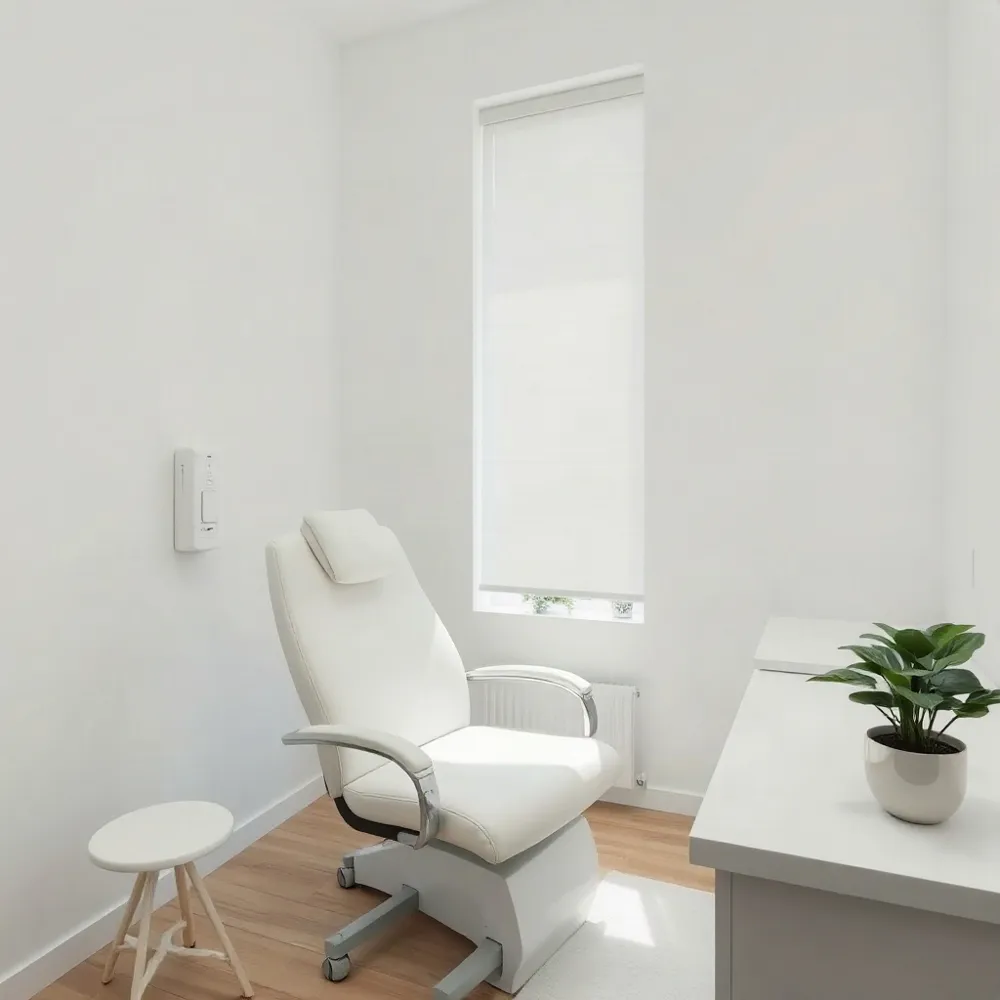
During a session, the recipient remains fully clothed and either lies on a treatment table or sits comfortably in a chair. The practitioner uses a series of gentle hand placements, holding their hands lightly on or just above specific areas of the body including the head, limbs, and torso. Each hand position is held for two to five minutes, allowing energy to flow wherever it is needed most.
Recipients often report sensations of warmth, tingling, or a deep sense of peace. Some drift into a meditative state or experience emotional releases as the energy flows. These sessions typically last 45 to 90 minutes, with many clients describing the experience as a "mini-retreat" for both mind and body.
Energy Work in Action
The technique works by helping to remove energetic blockages and restore the natural flow of life force energy. Practitioners act as conduits, allowing universal energy to be drawn to areas where it is needed physically, mentally, emotionally, or spiritually. This approach shares principles with acupuncture and acupressure, focusing on restoring balance to the body's energy system.
Reiki can be directed to specific areas where stress commonly accumulates—the shoulders, neck, jaw, lower back, chest, and hips. This makes it particularly effective for addressing chronic tension patterns that develop from prolonged stress.
Safety and Complementary Use
This non-invasive therapy is safe for most people, including children, pregnant women, and the elderly. Research shows no known significant side effects or risks when performed by a properly trained practitioner. It is important to note that Reiki is a complementary therapy and should be used alongside, not in place of, conventional medical treatments.
Reiki is currently offered in over 800 hospitals across the United States as a complementary service. The National Center for Complementary and Integrative Health reports no known deleterious effects or contraindications for regular use. This safety profile makes it suitable for integration with other wellness practices and medical treatments.
How It Complements Other Wellness Practices
Reiki aligns naturally with many wellness and aesthetic treatments. It can be combined with yoga to amplify the flow of prana, placed alongside acupuncture to add healing energy, or integrated with massage therapy to release deeper layers of tension. In a medical spa setting, Reiki can enhance circulation, reduce post-procedure inflammation, and support faster recovery from aesthetic treatments such as microneedling, chemical peels, or injectable procedures.
The table below summarizes common complementary pairings:
| Modality | Key Benefit | Ideal Timing |
|---|---|---|
| Massage Therapy | Relaxes muscles before Reiki energy opens deeper channels | Before or after |
| Acupuncture | Unblocks meridians; Reiki adds healing energy | During or before |
| Medical Aesthetic Treatments | Reduces post-procedure anxiety and promotes recovery | Before and after |
| Yoga Poses | Enhances prana flow with targeted Reiki hand positions | During practice |
| Mindfulness Meditation | Deepens focus and spiritual awareness | Before or after |
Research and Measurable Benefits
A substantial body of research supports Reiki's effectiveness. A meta-analysis of 13 controlled trials involving 824 adults found that Reiki therapy significantly reduced anxiety, with short-term interventions of three sessions or fewer showing the largest effects. Moderate-frequency programs of six to eight sessions also demonstrated strong benefits.
Additional studies highlight Reiki's impact on pain management, sleep quality, and emotional well-being. A 2024 systematic review in cancer patients reported significant reductions in fatigue, pain, and stress with no side effects. A controlled trial of preoperative patients found reduced fear, anxiety, and pain scores after Reiki therapy, along with improved oxygen saturation.
Research suggests that Reiki may activate the parasympathetic nervous system, shifting the body from "fight-or-flight" to "rest-and-digest" mode. This helps lower cortisol levels, reduces blood pressure, and supports overall recovery. A pilot study of hospital staff in New Jersey found a 60 percent average decrease in self-reported stress after a single 15-minute session.
Clinical Evidence at a Glance
| Study Type | Condition | Key Finding |
|---|---|---|
| Meta-analysis (13 trials) | Anxiety | Significant anxiety reduction (SMD = -0.82) |
| Systematic review (5 cancer studies) | Fatigue & Pain | Reduced fatigue, stress, and pain |
| Controlled trial (preoperative patients) | Surgical Anxiety | Reduced fear, pain; improved oxygen levels |
| Clinical trial (osteoarthritis) | Joint Pain | Lower pain; higher well-being scores |
| Pilot study (hospital staff, NJ) | Stress | 60% average decrease after 15 minutes |
For those seeking to incorporate Reiki into a weekly wellness routine, research shows that consistent sessions offer sustained benefits. The gentle, non-invasive nature of Reiki makes it an accessible and effective addition to any holistic self-care practice, supporting both body and mind in achieving greater balance and harmony.
Understanding Reiki: A Foundation for Wellness
What is Reiki and How Does It Work?
Reiki is a Japanese energy healing technique for stress reduction and relaxation that also promotes healing. It is based on the idea that a universal life force energy — known as "ki" in Japanese, "chi" in Chinese, and "prana" in Sanskrit — flows through all living things. When this energy is low, we are more likely to feel stressed or unwell; when it is high, we feel happy and healthy.
During a session, a trained practitioner acts as a conduit for this energy. They place their hands lightly on or just above your fully clothed body, using specific hand positions that correspond to energy centers. The recipient typically lies on a treatment table or sits in a comfortable chair. Clients often report sensations such as warmth, tingling, or a deep sense of relaxation. The practitioner does not direct the energy; instead, it flows to wherever it is needed most, addressing physical, mental, or emotional imbalances.
Research suggests Reiki may activate the parasympathetic nervous system, promoting a "rest-and-digest" state that can lower heart rate, reduce blood pressure, and ease stress. A meta-analysis of 13 controlled trials found that Reiki therapy significantly reduced anxiety, with the largest effects seen in short-term interventions of three sessions or fewer. This supports its role as a gentle, non-invasive tool for calming the body and mind.
What Reiki is Not: Clarifying Its Role as a Complementary Practice
Reiki is not a religion, a medical treatment, or a replacement for professional medical care. It is a complementary therapy — something used alongside, not instead of, conventional treatments. The National Center for Complementary and Integrative Health (NCCIH) reports that Reiki has no known harmful effects or contraindications, making it safe for people of all ages, including children and the elderly.
At Timeless Med Spa in Berlin, New Jersey, Reiki is offered as part of a holistic wellness approach. "It is really a life-changing experience. It’s all about energy and recentering your entire body," says April Rucci, RN, BSN, MSN, co-owner of the spa. The spa’s mission is to help clients achieve optimal results while promoting overall health and wellness. Reiki fits naturally into this philosophy, complementing aesthetic treatments like facials, laser therapy, and injectables by enhancing relaxation and supporting the body’s natural healing processes.
The Evidence Behind Reiki: What Research Shows
Research on Reiki continues to develop. A 2024 systematic review of five studies in cancer patients found that Reiki sessions significantly reduced fatigue, relieved pain and stress, and improved quality of life, with no side effects reported. A 2021 controlled trial with female caregivers of cancer patients showed that weekly 45-minute Reiki sessions for six weeks led to lower stress levels and physical complaints, along with measurable improvements in blood pressure and pulse rate.
Other studies highlight benefits for specific conditions:
| Condition | Research Finding |
|---|---|
| Anxiety | Meta-analysis of 13 trials found significant anxiety reduction (SMD = -0.82). |
| Post-surgery pain | Clinical trials report reduced pain and improved vital signs after surgery. |
| Sleep quality | Controlled studies in cancer patients and people with epilepsy show improved sleep. |
| Knee osteoarthritis | A 2024 trial found lower pain and higher well-being scores after Reiki sessions. |
Why Reiki Fits a Weekly Wellness Routine
Reiki is a flexible practice. A typical session lasts 30 to 90 minutes, and many people start with weekly appointments to establish balance before shifting to monthly check-ins. Short self-Reiki practices — such as placing hands on the heart or abdomen for a few minutes during a midday break — can also be integrated easily into daily life.
The gentle, non-invasive nature of Reiki makes it suitable for anyone seeking to reduce stress, improve sleep, or manage pain. It can be combined with other wellness practices like yoga, meditation, massage, and acupuncture, amplifying their benefits. At Timeless Med Spa, clients can pair Reiki with treatments such as LED light therapy (which uses red, blue, yellow, and infrared light) or a DiamondGlow facial for a comprehensive approach to skin health and relaxation.
How to Get Started with Reiki
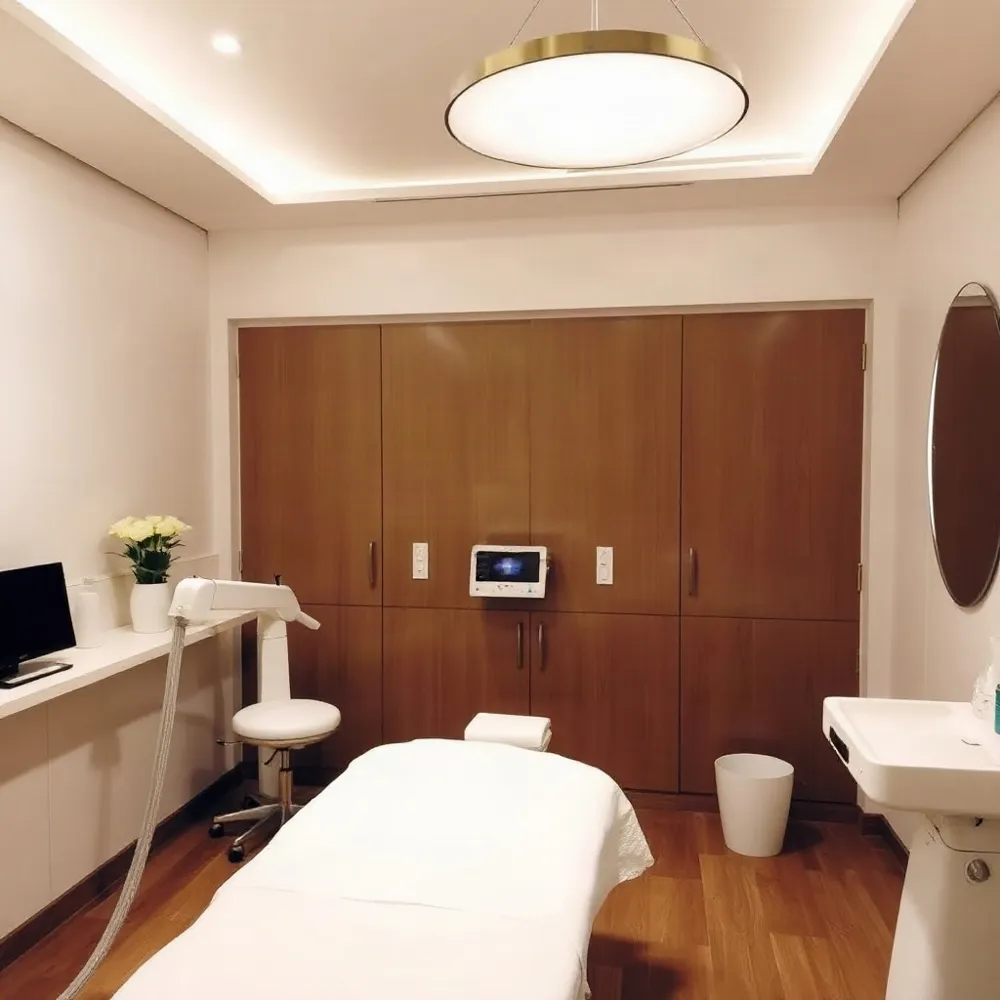
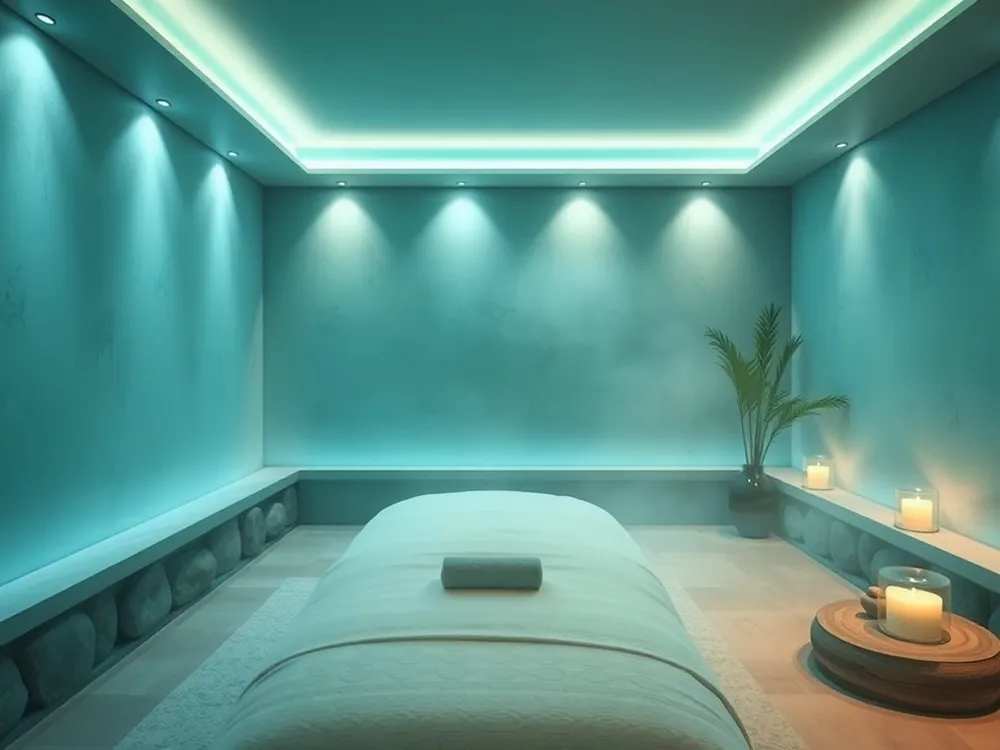
The simplest way to begin is to receive a session from a qualified practitioner. At Timeless Med Spa, Reiki is performed by a formally trained Reiki master. Before your visit, no special preparation is needed. Just come with an open mind and comfortable clothing. During the session, you remain fully clothed in a quiet, softly lit room. Afterward, clients often feel lighter, more grounded, and emotionally refreshed.
For those interested in deeper exploration, Reiki training (Level 1) can be learned in a one-day workshop, including attunement and hands-on practice. This allows you to perform self-Reiki at home for stress relief, sleep support, or daily energy balance.
Table: Reiki at a Glance
| Aspect | Details |
|---|---|
| Origin | Japan; developed by Mikao Usui in 1922 |
| Core Principle | Channels universal life energy (ki) to promote balance and healing |
| Session Format | Hands lightly on or above body, client fully clothed, quiet setting |
| Typical Duration | 30 to 90 minutes |
| Common Benefits | Stress reduction, improved sleep, pain relief, emotional balance |
| Research Support | Significant anxiety reduction, supports recovery and quality of life |
| Safety Profile | Non-invasive, no known side effects; safe for all ages |
| Complementary Use | Works with medical care, acupuncture, yoga, massage, aesthetic treatments |
| Cost Range | $25 to $100 per session (varies; insurance usually not covered) |
Core Benefits: What Reiki Can Do for You
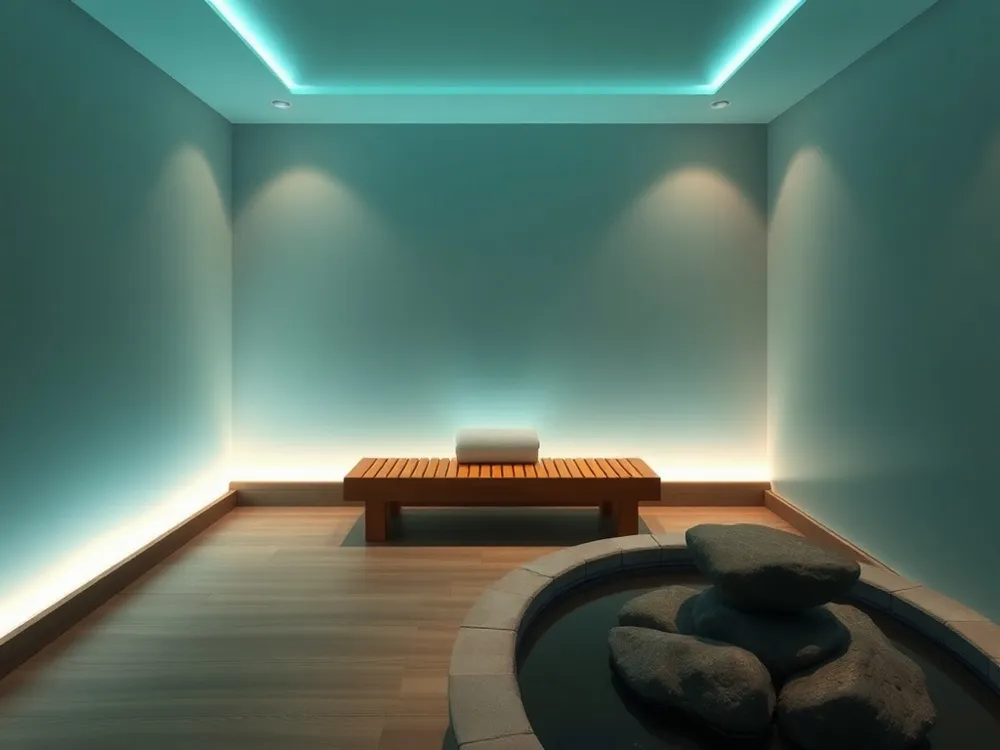 Reiki is a gentle, hands‑on energy‑healing modality that originated in Japan and has become a popular complement to modern aesthetic and wellness services. At its heart lies the Japanese concept of a universal life‑force energy—known as ki, chi, or prana—that flows through every living being. A trained Reiki practitioner acts as a conduit, channeling this energy by placing the hands lightly on or just above the client’s clothed body. The intention is not to direct the energy in a mechanistic way, but to allow it to move where it is needed most—physical, mental, emotional, or spiritual planes—thereby restoring balance and supporting the body’s innate healing mechanisms.
Key Benefits Include Stress Reduction, Improved Sleep, Pain Relief, and Emotional Healing
When the flow of life‑force energy is unobstructed, the nervous system shifts from a sympathetic‑dominant “fight‑or‑flight” state toward a parasympathetic, “rest‑and‑digest” mode. This transition produces a cascade of measurable benefits. Clients consistently report a deep sense of calm, lighter moods, and a feeling of being more grounded after a session. Scientific studies echo these anecdotal findings: a 2014 meta‑analysis of 13 controlled trials involving 824 adults demonstrated that Reiki significantly reduced anxiety, with a standardized mean difference of –0.82 (95 % CI –1.29 to –0.36, p = 0.001). Short‑term interventions—three sessions or fewer— produced the greatest effect (SMD = –1.25), while moderate‑frequency programs (six to eight sessions) also showed strong benefits (SMD = –1.13).
Beyond anxiety, Reiki has been shown to improve sleep quality, alleviate chronic pain, and foster emotional healing. The practice helps release stored tension in common “stress‑storage” zones—shoulders, neck, jaw, lower back, chest, and hips—through warmth, tingling, or a subtle vibration that participants often describe as a gentle “melting away” of tightness. By calming the autonomic nervous system, Reiki can lower cortisol levels, reduce blood pressure, and promote better circulation, all of which contribute to more restful sleep and faster post‑procedure recovery. Clients who incorporate Reiki into their weekly wellness routine frequently note that they awaken feeling refreshed, experience fewer night‑time awakenings, and enjoy a steadier mood throughout the day.
Reiki for Anxiety, Depression, and Stress‑Related Conditions
The evidence supporting Reiki’s impact on anxiety and depression is growing. A 2022 systematic review of 14 controlled trials found high‑quality evidence that Reiki reduces clinical stress and depression symptoms, while moderate‑to‑high quality evidence supports its effectiveness for anxiety. In a 2024 randomized trial with 87 cancer patients undergoing hormone therapy, four weeks of Reiki led to a statistically significant improvement in insomnia scores. Similarly, a 2021 pilot study with college students reported a 60 % average decrease in self‑reported stress after a single 15‑minute Reiki session. These findings align with the physiological mechanism of activating the parasympathetic nervous system, which not only calms the mind but also influences heart‑rate variability, blood pressure, and immune function.
Reiki’s capacity to address emotional trauma is also noteworthy. The practice encourages the release of trapped emotions by allowing the practitioner’s hands to draw out stagnant energy. Clients often experience a sense of emotional lightness, tears, or deep sighs—signs that the body is processing and letting go of unresolved feelings. Over time, this emotional clearing can improve resilience, enhance intuition, and foster a more compassionate relationship with oneself and others. In clinical settings, Reiki has been used as an adjunct to conventional treatments for conditions such as fibromyalgia, chronic low‑back pain, and post‑surgical recovery, where it contributes to reduced pain perception and a better overall quality of life.
People Report Feeling Lighter, More Grounded, and Emotionally Rejuvenated
Beyond measurable outcomes, the subjective experience of Reiki is a powerful driver of its popularity. Clients at Timeless Med Spa—a boutique medical‑aesthetic clinic in Berlin, NJ—regularly describe their sessions as “mini‑retreats” that leave them feeling lighter, more grounded, and emotionally rejuvenated. One client, after a series of weekly Reiki appointments combined with facial rejuvenation treatments, noted an “increased sense of peace” that persisted for days, allowing her to engage more fully in daily activities and social relationships. Another client, dealing with chronic migraine pain, reported that after three consecutive Reiki sessions, the intensity of his headaches decreased and the anxiety associated with anticipating a migraine episode diminished substantially.
These testimonials are consistent with research that shows Reiki can improve quality of life for chronic conditions. A 2016 clinical trial involving post‑surgical patients reported improved vital signs and reduced pain scores after Reiki treatment, while a 2014 randomized trial found significant reductions in anxiety for patients undergoing gastrointestinal endoscopy. The therapy’s safety profile—no serious adverse events reported across numerous studies—makes it an ideal complement to aesthetic procedures that may cause temporary discomfort, inflammation, or stress.
Integrating Reiki Into a Weekly Wellness Routine at Timeless Med Spa
For those seeking a holistic approach that blends skin‑focused aesthetics with inner balance, Reiki fits seamlessly into a weekly wellness schedule. A typical session at Timeless Med Spa lasts 30–60 minutes and can be scheduled on the same day as a facial, LED light therapy, or microneedling treatment, creating a synergistic effect: the calming energy of Reiki enhances the body’s relaxation response, which in turn supports better absorption of topical serums, reduces post‑procedure redness, and promotes faster healing.
Clients can also practice self‑Reiki between appointments. Simple hand‑placement techniques—such as placing the palms over the heart for a few minutes while visualizing soothing light—can be performed in as little as five minutes during a work break or before bedtime. Consistent daily self‑Reiki, even for 10–15 minutes, has been shown to raise personal vibration, amplify the benefits of other wellness habits (nutrition, exercise, meditation), and maintain the energetic balance achieved during professional sessions.
Answering Your Core Questions
What are the core principles and benefits of Reiki healing? Rooted in the Japanese concept of “universal life‑force energy,” Reiki’s core principle is that a trained practitioner can channel and balance this energy by placing their hands on or just above the body. This gentle, non‑invasive therapy aims to promote deep relaxation, inner peace, and support the body’s natural healing processes. Key benefits include reduced stress and anxiety, improved sleep quality, pain relief, and an enhanced sense of overall well‑being. Patient surveys, such as those for individuals with cancer, have reported improvements in mood, fatigue, and pain. As a complementary therapy, Reiki is often used alongside conventional medical treatments to support emotional and physical health.
Can Reiki help with anxiety, depression, and stress‑related conditions? Yes, numerous peer‑reviewed studies show Reiki can effectively reduce anxiety and support emotional well‑being. It helps release trapped emotions tied to trauma and gently quiets the body’s fight‑or‑flight response. For conditions like anxiety and depression, Reiki complements other therapies by promoting relaxation and improving mood. Research also indicates it can help lower blood pressure by activating the relaxation response.
Putting It All Together
Whether you are looking to enhance the results of a facial, support recovery after microneedling, or simply cultivate a calmer mind, Reiki offers a versatile, evidence‑backed tool for holistic wellness. Its ability to reduce anxiety (standardMD = –0.82 in a meta‑analysis of 13 trials), improve sleep, alleviate pain, and foster emotional balance makes it a valuable addition to any weekly self‑care regimen. At Timeless Med Spa, certified practitioners integrate Reiki with cutting‑edge aesthetic treatments, ensuring that you leave feeling not only radiant on the outside but also centered and peaceful on the inside. Scheduling a weekly Reiki session—or incorporating short self‑Reiki practices—can transform a ordinary wellness routine into a truly restorative experience, supporting both your skin health and your overall quality of life.
Addressing Specific Health Concerns
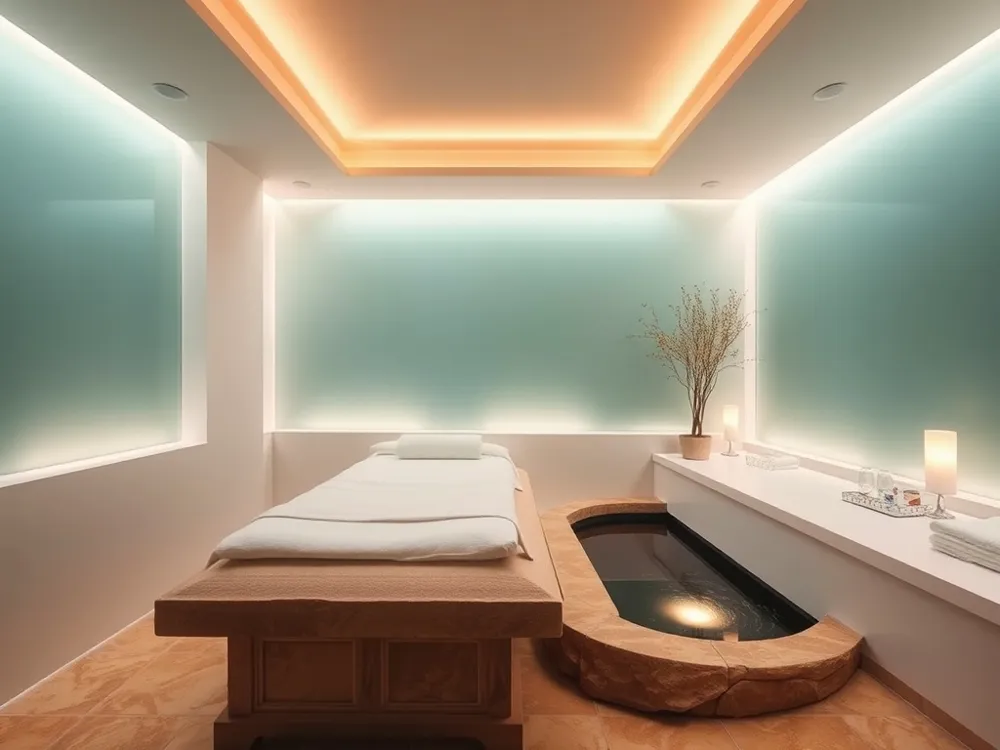
Can Reiki Help with Specific Health Conditions Like MS, Alzheimer's, PTSD, or TMJ?
Research into Reiki's effects on specific conditions is growing, offering a complementary option for managing a range of symptoms. While not a cure, evidence suggests it can be a valuable part of a holistic wellness plan, particularly when used alongside conventional medical care. At Timeless Med Spa, our Reiki sessions are designed to support your overall well-being, complementing your aesthetic and wellness goals.
Multiple Sclerosis (MS): Individuals with MS often use Reiki to help manage challenging symptoms. While direct research on MS is still emerging, studies indicate Reiki can be effective for managing common co-occurring issues like anxiety, mood disturbances, sleep difficulties, fatigue, and pain. A 2024 controlled study in people with multiple sclerosis found that Reiki therapy led to significant improvements in sleep quality and, consequently, overall quality of life for participants. By promoting deep relaxation and activating the parasympathetic nervous system, Reiki can help ease the daily strain of this condition.
Alzheimer's and Cognitive Impairment: Peer-reviewed studies suggest that properly applied Reiki may help improve cognitive impairment in individuals with Alzheimer's disease. The practice's ability to reduce stress, promote relaxation, and potentially enhance blood flow to the brain are considered contributing factors. While more research is needed, Reiki offers a gentle, non-invasive way to support brain health and improve the emotional well-being of those facing cognitive challenges.
Post-Traumatic Stress Disorder (PTSD): Trauma often stores itself in the body as energetic blockages. Reiki is recognized for its ability to help release these buried emotions. Sessions create a safe, quiet space where the body can begin to process and let go of stored trauma. By facilitating emotional release—sometimes experienced as tears, deep sighs, or a profound sense of peace—Reiki supports the healing journey for those with PTSD, helping to restore a sense of inner balance and calm. The low-risk nature of the therapy makes it a safe complement to other trauma treatments.
Temporomandibular Joint (TMJ) Disorders: TMJ pain is often exacerbated by stress and muscle tension in the jaw and neck. Research indicates that Reiki may reduce TMJ pain and the need for medication. A 2018 study found that Reiki was equally as effective as physiotherapy for relieving lower back pain in people with herniated disks, and was more cost-effective with faster results in some cases. This principle of pain relief through energetic release and deep relaxation can be directly applied to TMJ, as the therapy helps to release clenching and tension patterns that contribute to the disorder.
Clinical Research and Data
The benefits of Reiki are increasingly supported by clinical data. A 2024 controlled trial with 87 people with cancer receiving hormone therapy found that 4 weeks of Reiki therapy led to a significant improvement in sleep quality. A 2023 controlled trial of 93 participants awaiting open abdominal surgery reported that Reiki therapy reduced fear and anxiety about the surgery, as well as decreased pain scores. Another 2024 clinical trial found Reiki effective at reducing anxiety and discomfort before heart surgery. A 2023 study on people about to undergo a gastrointestinal endoscopy similarly found that Reiki effectively reduced anxiety. A 2021 controlled trial on female primary caregivers of people with cancer found that those receiving a 45-minute weekly Reiki session for six weeks reported lower stress levels and reduced physical complaints, with measurable relaxing effects on blood pressure and pulse rate. A large meta-analysis of 13 controlled trials concluded that Reiki therapy significantly reduced anxiety, with the largest effects seen in short-term programs and for chronically ill patients.
Comprehensive Overview of Reiki's Support for Health Conditions
The table below summarizes how Reiki can address specific health concerns, based on current research.
| Health Condition | How Reiki Supports Management | Key Research Findings |
|---|---|---|
| Multiple Sclerosis | Helps manage anxiety, mood, sleep, fatigue, and pain through deep relaxation. | A 2024 controlled study showed significant improvement in sleep quality and quality of life. |
| Alzheimer's & Cognitive Impairment | May improve cognitive function by reducing stress and promoting relaxation. | Peer-reviewed studies indicate proper application can improve cognitive impairment. |
| PTSD & Emotional Trauma | Facilitates the release of buried emotions and energetic blockages stored in the body. | Promotes emotional release (tears, deep sighs) and a return to inner balance in a safe, non-invasive manner. |
| TMJ Disorders | Reduces pain and tension in the jaw and neck by promoting relaxation and releasing built-up stress. | Research shows it can reduce pain and the need for medication, with studies showing effectiveness comparable to physiotherapy for pain. |
| Cancer-Related Symptoms | Improves sleep quality, reduces fatigue, relieves pain and stress, and improves overall quality of life. | A 2024 systematic review of five studies in cancer patients found these benefits with no reported side effects. A 2024 clinical trial showed significant sleep improvement. |
| Pre-Surgical Anxiety & Pain | Reduces fear and anxiety before procedures, lowers pain scores, and improves vital signs like oxygen saturation. | A 2023 controlled trial for abdominal surgery and a 2024 trial for heart surgery confirmed its effectiveness in reducing anxiety and discomfort. |
| Chronic Pain (Arthritis, Fibromyalgia) | Reduces pain, anxiety, and improves perception of quality of life. | Older and recent studies indicate effectiveness, with some conditions showing pain reduction comparable to other therapies like physiotherapy. |
Your Weekly Reiki Routine: Session Frequency and Integration
How Often Should You Schedule a Reiki Session?
Reiki therapy fits into a wellness routine at a frequency that matches your personal goals and health needs. Many people find that a weekly, biweekly, or monthly schedule works well. Sessions typically run from 20 to 90 minutes, with a 60-minute appointment being the most common length.
For those managing chronic conditions or undergoing significant life transitions, practitioners often recommend tighter session spacing—such as weekly visits—to build momentum and support deeper energy shifts. As stress accumulates over time, regular sessions help maintain balance and prevent small imbalances from growing.
Reiki is gentle, non‑invasive, and considered safe for all ages, from children to seniors. It works alongside medical treatments without interfering with medications or procedures. Because it cannot cause harm, adjusting frequency is a low-risk way to find what feels best for you.
Can You Receive Reiki Weekly?
Yes, weekly Reiki is not only possible but is a common recommendation for clients seeking consistent support. A 2024 meta‑analysis of controlled trials found that moderate‑frequency programs—six to eight sessions produced strong anxiety‑reduction effects. This suggests that a weekly commitment over several weeks can yield measurable benefits.
A pilot study conducted right in New Jersey found a 60% average decrease in self‑reported stress after a single 15‑minute Reiki session. This highlights how even short, regular sessions can have a powerful impact on stress levels. For best results, many practitioners advise treating Reiki like any other wellness habit: consistency is key.
How to Integrate Reiki into Your Self-Care Schedule
Start by scheduling your first session at a time when you can relax afterward without rushing. Bring an open mind and notice how you feel in the hours and days following the treatment. Based on that experience, decide whether weekly, biweekly, or monthly visits suit your lifestyle.
You can also learn self‑Reiki from a certified practitioner. A daily self‑practice of 15 to 30 minutes can amplify the benefits of your professional sessions. Short self‑Reiki exercises—such as placing your hands on your heart or belly during a stressful moment—take just a few minutes and can be done anywhere, without special equipment.
To build a complete self‑care routine, combine Reiki with complementary practices:
- Morning ritual: Start the day with 5–10 minutes of self‑Reiki, focusing intention and visualizing light filling the body.
- Stress break: During midday tension, place your hands on your neck, shoulders, or stomach while breathing deeply for a few minutes.
- Evening wind‑down: Create a calm environment with dim lights or gentle music, lie down, and use hand placements over chakra areas to promote restful sleep.
Pairing Reiki with yoga, meditation, journaling, or mindful eating amplifies the flow of life force energy (prana). Reiki and yoga form a natural partnership because both work to open energy channels. You might try using Reiki on targeted areas while holding yoga poses to deepen relaxation.
Practical Ways to Make Reiki a Weekly Habit
| Practice | Suggested Frequency | Time Required | Integration Tip |
|---|---|---|---|
| Professional Reiki session | Weekly, biweekly, or monthly | 20–90 minutes (60 min typical) | Schedule as a consistent appointment in your calendar |
| Self‑Reiki practice | Daily | 15–30 minutes | Combine with morning meditation or evening journaling |
| Quick stress‑relief Reiki | As needed | 2–5 minutes | Use during work breaks to reset focus |
| Evening relaxation Reiki | Nightly | 5–10 minutes | Pair with gentle stretching or deep breathing |
Many wellness centers and hospitals—including over 900 U.S. hospitals—now offer Reiki as a complementary therapy. At Timeless Med Spa in Berlin, New Jersey, the focus on holistic wellness makes it a natural place to explore how Reiki can support your journey toward balance and vitality.
Safety, Contraindications, and Real Reviews
Safety Overview – Reiki for All Ages Reiki is widely regarded as a gentle, non‑invasive energy‑healing modality that can be safely enjoyed by virtually anyone, from toddlers to seniors. Multiple clinical investigations have reported zero serious adverse events when Reiki is administered by a properly attuned practitioner. For example, a meta‑analysis of 13 controlled trials involving 824 adults found no significant harms, and surveillance of hospital‑based Reiki programs across the United States, documented that the therapy is well tolerated even in vulnerable populations such as children, pregnant women, and the elderly. The International Center for Complementary and Integrative Health (NCCIH) echoes this finding, stating that Reiki has no known contraindications and is free of side‑effects when performed in a calm, private setting. In practice, this safety profile means that clients at Timeless Med Spa can receive Reiki alongside their regular aesthetic treatments—such as facials, laser resurfacing, or RF microneedling—without fear of interference or added risk.
Pacemakers and Other Medical Devices – A Cautious Approach While Reiki does not involve electromagnetic fields, needles, or pharmacologic agents, practitioners often advise a precautionary pause for individuals with implanted electronic devices such as pacemakers, defibrillators, or neurostimulators. The scientific literature does not yet contain definitive studies proving that Reiki interferes with these devices, but the lack of formal research warrants a prudent approach. The safest course is to consult the client’s cardiologist or primary‑care physician before beginning a Reiki series. A typical recommendation is to keep the practitioner’s hands a few inches away from the implant site and to avoid prolonged hand‑on contact directly over the chest area where the device is housed. This guidance aligns with the broader medical‑spa philosophy of “first, do no harm” and ensures that the therapeutic benefits of Reiki can be enjoyed without compromising device function.
Reddit Anecdotes: Anxiety Relief and Sleep Improvement Online communities provide a rich tapestry of real‑world experiences, and Reddit is a particularly active forum for discussing complementary health practices. A recurring theme in Reddit threads about Reiki is the reported reduction of anxiety and the enhancement of sleep quality. Users often describe a sensation of deep calm that persists for days after a session, noting that they fall asleep more easily and wake feeling more refreshed. While anecdotal, these reports echo findings from controlled trials where Reiki produced statistically significant reductions in anxiety scores (standardized mean difference = ‑0.82) and improved sleep metrics in post‑surgical patients. The convergence of personal testimony and empirical data lends credibility to the claim that Reiki can serve as a low‑risk adjunct for stress management, especially for clients who already engage in other wellness rituals such as yoga, meditation, or regular skin‑care regimens at Timeless Med Spa.
Patient Reviews of Timeless Med Spa – Professionalism and Atmosphere Timeless Med Spa, located at 181 W White Horse Pike in Berlin, NJ, has built a reputation for delivering personalized, natural‑enhancement aesthetic services in a serene environment. Client testimonials on platforms such as Google Reviews, Yelp, and the spa’s own “Well U Blog” frequently highlight the professionalism of staff members—including RN practitioners Lindsey Tome, April Rucci, and Heather Marinari—and the calming ambience of treatment rooms. Reviewers often mention that the gentle lighting, soothing music, and private spaces create an ideal backdrop for Reiki sessions, allowing them to fully relax and experience the subtle flow of energy. Many clients who combine Reiki with skin‑tightening treatments (e.g., RF microneedling with Secret RF) report that the post‑procedure recovery feels smoother, with reduced bruising and a heightened sense of overall well‑being. This positive feedback underscores how a holistic wellness approach, where energy work and aesthetic care coexist, can amplify client satisfaction and outcomes.
Widespread Institutional Acceptance – Over 800 U.S. Hospitals Reiki’s credibility is further bolstered by its integration into the care pathways of more than 800 hospitals across the United States. These institutions range from large academic medical centers to community hospitals, and they routinely offer Reiki as a complementary service for patients undergoing surgery, chemotherapy, or palliative care. The fact that hospital administrators choose to allocate space, staff time, and resources to Reiki reflects a growing acknowledgment of its potential to improve patient comfort, reduce pre‑operative anxiety, and support post‑operative healing. For a medical‑spa clientele, this institutional endorsement serves as an additional assurance that Reiki is a mainstream, evidence‑informed practice rather than a fringe alternative.
Answering Your Questions
Can you have Reiki with a pacemaker or other medical devices? Reiki is generally well tolerated, but practitioners sometimes advise caution for individuals with a pacemaker or other medical devices. While there is no strong evidence that Reiki interferes with such devices, the lack of formal research means it is best to err on the side of safety. If you have a pacemaker or similar implant, it is important to speak with your doctor or healthcare team before trying Reiki. They can provide personalized advice based on your specific medical history and device type. Ultimately, proceeding with professional medical guidance helps ensure a safe and beneficial experience.
What do Reddit and patient reviews say about Reiki for anxiety and Timeless Med Spa? Reddit users frequently report that Reiki helps reduce anxiety, with many noting improved calm and sleep, though individual results vary. For Timeless Med Spa in Berlin, NJ, patient reviews consistently commend the professional staff, personalized care, and relaxing atmosphere. While specific Reddit or patient review data directly linking Reiki to Timeless Med Spa is limited, general feedback on both the therapy and the spa is positive. To get the most current insights, checking platforms like Google Reviews or Yelp is recommended. Overall, both Reddit anecdotes and spa reviews suggest Reiki can be a beneficial complement to anxiety management when provided in a supportive setting.
Putting It All Together – A Safe, Evidence‑Based, and Enjoyable Experience For anyone seeking a holistic addition to their skin‑care and aesthetic routine, Reiki offers a remarkably low‑risk, high‑reward option. Its safety for children, seniors, and most medical conditions, combined with the absence of documented adverse events, makes it an ideal partner for the delicate procedures performed at Timeless Med Spa. The caution advised for pacemaker‑bearing clients is a simple, actionable step that can be addressed during the initial consultation. Real‑world anecdotes from Reddit and glowing client testimonials reinforce the therapeutic narrative that Reiki can soothe anxiety, improve sleep, and deepen the sense of relaxation that many aesthetic patients already cherish after a facial or laser treatment. Lastly, the widespread adoption of Reiki in over 800 U.S. hospitals signals a growing acceptance in the mainstream medical community, further validating its role as a complementary wellness practice. By integrating Reiki into a weekly schedule—whether through a 30‑minute professional session at Timeless Med Spa or a brief self‑Reiki routine at home—clients can experience a balanced, energized, and radiant version of themselves, both inside and out.
Making Reiki Part of Your Life by Timeless Med Spa
Reiki has long been recognized for its ability to reduce stress, improve sleep, and support emotional healing. Integrating this gentle practice into a weekly wellness routine can enhance both physical and mental well-being, especially when combined with professional aesthetic care. Timeless Med Spa in Berlin, New Jersey, offers a unique environment where clients can explore complementary wellness services alongside advanced cosmetic treatments.
Does Timeless Med Spa in Berlin, New Jersey, offer Reiki and similar wellness services?
Timeless Med Spa is an all-women-operated medical aesthetic practice located at 181 W White Horse Pike, Berlin, NJ. While the spa is primarily known for its cosmetic and skin care treatments, its philosophy naturally supports holistic well-being. Co-owner April Rucci, a registered nurse and health and wellness advocate, describes Reiki as a life-changing experience centered on energy and recentering the entire body. The spa’s mission is to help clients achieve optimal results while promoting overall health and wellness, making Reiki a logical extension of their approach. Services such as LED light therapy, which uses red, blue, yellow, and infrared light to stimulate collagen and reduce inflammation, already promote deep relaxation and stress management. This wellness-oriented environment is ideal for clients seeking to combine relaxation techniques with medical-grade aesthetic care. For specific details about Reiki sessions, costs, and availability, it is best to contact the spa directly or visit their website.
How does Reiki complement aesthetic treatments like facials, LED light therapy, and injectables?
Reiki works synergistically with cosmetic procedures by enhancing circulation, reducing post-treatment inflammation, and supporting faster recovery. For example, after a facial or chemical peel, Reiki can help calm the nervous system and minimize discomfort. The gentle, non-invasive nature of Reiki means it can be safely combined with injectables like BOTOX® or dermal fillers. Research indicates that Reiki can lower cortisol levels and activate the parasympathetic nervous system, which promotes a rest-and-digest state. This relaxation response is particularly valuable for clients who experience anxiety before procedures. At Timeless Med Spa, combining a 30-minute LED light therapy session with a short Reiki treatment could amplify results, as both treatments aim to reduce stress and improve skin health. The spa’s holistic wellness philosophy encourages such integrative approaches.
What does a typical Reiki session involve?
During a Reiki session at a medical spa, the client remains fully clothed and lies on a comfortable treatment table. The practitioner places their hands lightly on or just above specific areas of the body, following a series of hand positions corresponding to energy centers or chakras. Sessions typically last 60 to 90 minutes, though shorter 30-minute sessions are also available. Clients often report sensations of warmth, tingling, or deep peace. Some may drift into a meditative state or experience emotional releases. The environment is designed for relaxation, with soft lighting and calming music. At Timeless Med Spa, the serene and clean atmosphere enhances the overall experience, making it a welcome addition to any wellness routine.
What are the proven benefits of a consistent Reiki practice?
A 2024 systematic review of five studies in cancer patients found that Reiki significantly reduced fatigue, pain, and stress, with no reported side effects. A meta-analysis of 13 controlled trials involving 824 adults showed that Reiki therapy significantly reduced anxiety, with the largest effects observed after short-term interventions of three sessions or fewer (standardized mean difference = -1.25). Another study found that six weekly Reiki sessions improved stress, mood, and sleep quality in college students, especially among those with higher baseline anxiety. Even a single 15-minute Reiki session reduced self-reported stress by an average of 60% in a New Jersey hospital pilot study. The therapy is considered safe for all ages and can be used alongside conventional medical treatments without interference.
How can you build a weekly Reiki rhythm at a medical spa?
For most people, starting with weekly sessions helps establish balance and deepens the relaxation response. After a few weeks, many shift to bi-weekly or monthly maintenance sessions. A typical structure might include a 30-minute Reiki session paired with a facial or LED light therapy treatment, creating a combined wellness experience. At Timeless Med Spa, clients can schedule appointments during operating hours (Tuesday and Wednesday 9:00 AM–8:00 PM, Thursday 11:00 AM–7:00 PM, Friday 10:00 AM–5:00 PM). The spa accepts various payment methods including CareCredit, and offers online booking. Consulting with the spa’s team can help tailor a schedule that fits individual goals and preferences.
What are simple Reiki practices you can use at home?
Self-Reiki is accessible to anyone and requires no special equipment. A simple morning practice involves sitting comfortably, placing palms together until you feel warmth, then placing hands on the head, heart, or solar plexus while visualizing light entering the body. For midday stress relief, take five minutes to center yourself, scan for tension in the neck or shoulders, and place hands on the tense area while imagining warm energy dissolving the stress. An evening wind-down routine can include lying down, placing hands over the stomach or chest, focusing on breath, and shifting hands between chakra areas like the forehead and stomach for 2–3 minutes each. Keeping a journal of feelings and insights after each session can deepen the practice. Even five minutes of daily self-Reiki can improve mental clarity and emotional resilience.
Why choose Timeless Med Spa for your wellness journey?
The spa’s team includes experienced professionals like April Rucci, RN, BSN, MSN, and Lindsey Tome, RN, BSN, who prioritize safe, personalized care. Their approach is natural and conservative: helping clients feel like the best versions of themselves rather than turning them into a different version. The spa offers a comprehensive range of services, from SkinVive and injectables to RF microneedling and chemical peels, all in a calming, clean environment. By adding Reiki to your wellness routine at Timeless Med Spa, you can enjoy the benefits of energy healing alongside advanced medical aesthetics. For more information, call (609) 495-0266 or visit their website. Their team is available to discuss how Reiki can fit into your personal wellness plan.
| Therapy | Primary Benefit | Session Length | Typical Frequency | Compatibility with Reiki |
|---|---|---|---|---|
| Reiki | Stress reduction, relaxation, emotional healing | 30–90 minutes | Weekly for maintenance | Always compatible |
| LED Light Therapy | Collagen stimulation, inflammation reduction | 20–30 minutes | Weekly to bi-weekly | High - both promote relaxation |
| Facials | Skin hydration, exfoliation | 30–60 minutes | Monthly | High - Reiki reduces post-treatment stress |
| Injectables (BOTOX, fillers) | Wrinkle reduction, volume restoration | 10–30 minutes | Every 3–12 months | Moderate - Reiki supports recovery and calms nerves |
Begin Your Journey to Balance
Reiki is a hands‑on energy‑healing modality that originated in Japan and has become a beloved component of holistic wellness routines across the United States. The word itself is a blend of the Japanese characters rei (universal) and ki (life‑force energy), and the practice is based on the simple yet profound premise that a universal life‑force flows through every living being. When a practitioner— or a client practicing self‑Reiki—places their palms lightly on or just above the body, that flow is channeled to areas where it is most needed, helping to dissolve energetic blockages and restore balance on physical, mental, emotional, and spiritual planes. Because the technique is non‑invasive, requires no equipment, and can be performed in a quiet, comfortably lit treatment room, it integrates seamlessly with the calm, spa‑like atmosphere that Timeless Med Spa cultivates for its clientele.
Evidence‑based research supports the claim that Reiki can be a gentle pathway to stress reduction, emotional healing, and overall well‑being. A meta‑analysis of 13 controlled trials involving 824 adult participants found that Reiki produced a statistically significant reduction in anxiety (standardized mean difference = ‑0.82, p = 0.001). The most robust effects were observed in short‑term programs of three sessions or fewer (SMD = ‑1.25) and in moderate‑frequency programs of six to eight sessions (SMD = ‑1.13). Other randomized trials have demonstrated improvements in pain, sleep quality, and vital signs after surgery, while observational studies report that regular participants enjoy feel lighter lighter feels, enhanced to tension and heightened emotional peace. Importantly, no serious adverse events have been recorded in any of the studies, underscoring Reiki’s safety for a wide range of ages—from children to seniors—and for individuals with chronic health conditions.
Integrating Reiki into a weekly wellness routine at Timeless Med Spa can be as simple as scheduling a 45‑ to 60‑minute session once per week, or as dynamic as weaving brief self‑Reiki practices into daily life. For clients who prefer the hands‑on expertise of a trained practitioner, the spa offers private Reiki sessions conducted in a soothing environment that includes soft lighting, calming music, and the option to combine the treatment with other modalities such as facial rejuvenation, laser therapy, or RF microneedling. The practitioner will guide the client through a series of hand positions—starting at the head, moving down the spine, and concluding at the heart and solar plexus—holding each position for three to ten minutes. Many clients describe sensations of warmth, tingling, or a deep sense of floating, and some even drift into a light sleep, indicating a profound shift toward parasympathetic dominance (the “rest‑and‑digest” response).
For those who wish to cultivate a self‑care habit between spa appointments, the Reiki self‑practice framework is remarkably accessible. A morning ritual might begin with a few deep breaths, followed by placing the palms together at the heart center until a subtle warmth is felt, then gently sliding the hands onto the forehead, throat, and solar plexus while visualizing a luminous, golden light infusing each area. This 5‑minute routine can set an intention of clarity and calm for the day ahead. Mid‑day, a quick “stress‑relief break” can be performed at a desk or in a quiet corner: close the eyes, scan the body for tension—often located in the shoulders, neck, or lower back—and rest the hands on those spots, imagining the energy melt the knot of stress. An evening wind‑down practice, perhaps after a facial or microneedling session, can involve lying comfortably, placing the hands over the abdomen and chest, and breathing in positivity while exhaling tension. Holding each hand position for two to three minutes supports deeper sleep, aids muscle recovery, and promotes a balanced autonomic nervous system.
Reiki’s compatibility with other wellness modalities makes it a natural partner for the comprehensive services offered at Timeless Med Spa. When combined with yoga, the flow of prana (life energy) is amplified; a client might hold a Reiki hand position while sustaining a gentle pose such as forward fold or seated twist, allowing the energy to circulate through the meridians that correspond with the body’s chakras. Similarly, acupuncture and shiatsu target the same meridian pathways, and the addition of Reiki can deepen relaxation and accelerate the release of stored tension. Even aesthetic treatments benefit from Reiki’s calming influence: patients who receive laser resurfacing, chemical peels, or injectable fillers often report reduced post‑procedure discomfort, faster healing of and a lower perception of pain when Reiki is incorporated before or after the procedure. The spa’s LED light therapy rooms, which already promote collagen production and reduce inflammation, become even more restorative when a client receives a brief Reiki session in the same space, creating a synergistic environment for skin health and overall vitality.
One of the most compelling reasons to adopt a regular Reiki habit is its ability to nurture emotional balance and mental clarity. By gently coaxing the nervous system away from chronic sympathetic arousal, Reiki lowers cortisol levels, steadies heart rate, and improves heart‑rate variability—a physiological marker of resilience. Clients who practice Reiki consistently often describe an enhanced sense of intuition, increased gratitude, and a feeling of being more “grounded” in the present moment. These psychological benefits translate directly into better decision‑making, stronger relationships, and a heightened capacity to cope with life’s inevitable stressors. In a spa setting where many individuals seek relief from anxiety, insomnia, or mood fluctuations, Reiki offers a non‑pharmacologic tool that complements conventional medical care without interfering with medications or procedures.
Safety and accessibility are hallmarks of Reiki, especially in a state like New Jersey where licensed aesthetic clinics are permitted to offer complementary, non‑invasive therapies. The practice is free from contraindications, does not require any special equipment, and can be performed on fully clothed clients, making it comfortable for people of all ages and physical abilities. Timeless Med Spa follows strict hygiene protocols—hands are cleansed, the treatment room is sanitized, and the practitioner maintains a professional, compassionate demeanor throughout the session. Clients are encouraged to discuss any existing health conditions with their primary care provider before beginning Reiki, particularly if they are undergoing surgery, chemotherapy, or other intensive medical treatments. This collaborative approach ensures that Reiki serves as a supportive adjunct rather than a replacement for evidence‑based medical care.
For those who feel called to deepen their practice, Timeless Med Spa also offers introductory Reiki training workshops. In a single, intensive session a participants learn the foundational hand positions, basic visualization techniques, and the ethical principles that guide responsible energy work. Attunement by a qualified Reiki Master enables practitioners to channel the universal life force more effectively, allowing them to administer self‑Reiki for anxiety, sleep difficulties, or a daily energy boost. Even without formal attunement, anyone can practice simple self‑care techniques—such as the 5‑minute morning and midday rituals described above—to experience the cumulative benefits of regular energy balancing.
Scheduling a Reiki session at Timeless Med Spa is straightforward. The spa’s location at 181 W White Horse Pike in Berlin, NJ, offers ample parking and a tranquil environment designed for relaxation. Appointments can be booked online through the spa’s website or by calling (609) 495‑0266. The friendly staff—including co‑owners April Rucci, RN, BSN, MSN, and Lindsey Tome, RN, BSN, BS—will take the time to explain the process, answer any questions, and tailor the session to the client’s unique goals, whether those are stress reduction, improved sleep, pain relief, or overall energetic harmony. The spa also accepts a variety of payment methods, including Apple Pay, Google Pay, and American Express, and offers flexible payment plans for those who wish to incorporate Reiki into a long‑term wellness plan.
In summary, Reiki provides a gentle, safe, and evidence‑backed pathway to deeper relaxation, emotional healing, and enhanced quality of life. When woven into a weekly wellness routine—whether through a dedicated 60‑minute session at Timeless Med Spa, a brief self‑Reiki practice between appointments, or a combined approach with yoga, acupuncture, and LED light therapy—it can amplify the benefits of other aesthetic and health services, supporting a holistic vision of beauty that originates from within. To explore how Reiki can complement your personalized skin‑care regimen, reduce stress, and promote lasting vitality, contact Timeless Med Spa today or visit their website to schedule a consultation. Your journey toward balanced energy and radiant well‑being begins with a single, compassionate touch.