
Prevention Without the Pressure
Your 30s can be a useful time to build habits that support skin health, but they are not a deadline for cosmetic treatments. Early lines, dryness, or changes in tone may become more noticeable, yet there is no single timetable for everyone. Genetics, lifestyle, sun exposure, and existing skin-care habits all play a part.
Preventive care does not stop natural aging, and it need not mean adding a long list of products or procedures. Consistent sun protection is a practical starting point: a randomized trial found daily sunscreen use was associated with less skin aging than discretionary use over the study period (trial findings). The American Society for Dermatologic Surgery’s guidance for ages 30 to 39 also highlights sun protection and attention to new or changing skin marks.
A simple routine and careful choices about professional treatments can help keep prevention manageable. At Timeless Med Spa in Berlin, New Jersey, consultations focus on personalized skin and beauty treatments and natural enhancement. The aim is not to treat every sign of aging, but to consider your concerns and skin needs before deciding whether any in-office option makes sense.
Build a Gentle Daily Routine
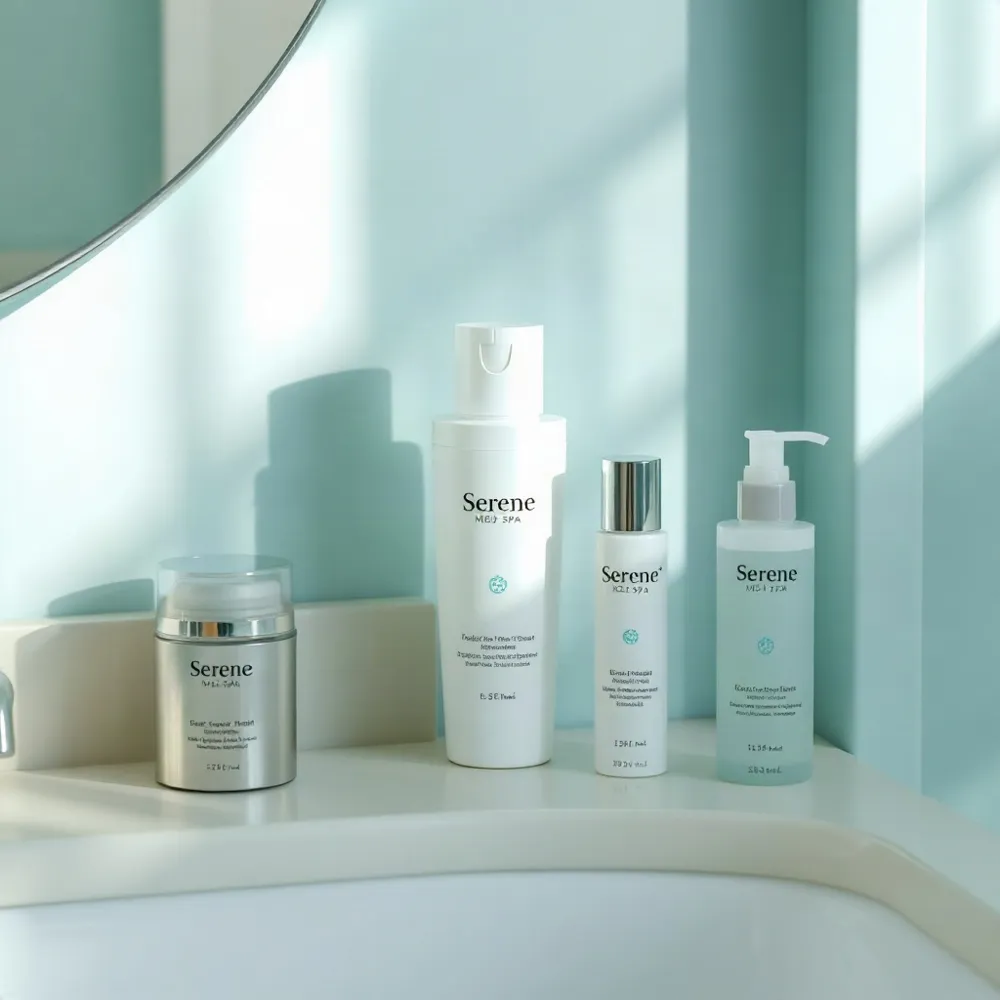 A manageable routine can support healthy-looking skin without turning your bathroom shelf into a treatment plan. Start with gentle cleansing, moisturizer, and daily broad-spectrum sunscreen. At Timeless Med Spa in Berlin, New Jersey, skin-care recommendations can be discussed as part of an individualized aesthetic plan rather than treated as a one-size-fits-all prescription.
What daily skincare routine can support healthy-looking skin in your 30s?
In the morning, cleanse without scrubbing, then apply moisturizer suited to your skin and finish with broad-spectrum SPF 30 or higher. Cover your neck and the backs of your hands, too. A vitamin C serum is an optional addition that may help brighten the look of uneven tone, but introduce one new product at a time so you can notice how your skin responds.
Daily sunscreen supports both skin health and appearance. A randomized trial found that adults assigned to daily sunscreen use had 24% less skin aging over the study period than those using it at their discretion; the research supports regular use but was not specific to people in their 30s (sunscreen and skin-aging trial). Broad-spectrum protection also helps guard against ultraviolet exposure associated with photoaging and skin cancer, as explained by Johns Hopkins Medicine’s sun-safety guidance.
At night, cleanse to remove makeup, sunscreen, and daily buildup, then moisturize. A retinoid may help improve the appearance of fine lines or uneven tone, but it can cause dryness or irritation and is not suitable for everyone. If you choose to try one, start cautiously and avoid layering several new active ingredients at once.
Consistency is usually more practical than adding many products. Choose steps around your concerns and tolerance, and give your skin time to respond. If irritation persists or you are unsure which ingredients are appropriate, seek guidance from a qualified clinician. Timeless Med Spa’s personalized aesthetic planning can provide a setting to discuss how at-home care fits your individual goals.
Make Sun Protection a Daily Habit
Ultraviolet exposure contributes to visible skin aging and raises the risk of skin cancer. UVA rays are associated with wrinkles and loss of elasticity, while UVB rays can cause sunburn and contribute to skin cancer. Broad-spectrum sunscreen protects against both. The American Society for Dermatologic Surgery recommends applying sunscreen before going outdoors and avoiding peak sun hours when possible in its skin care guidance for ages 30 to 39.
Choose a broad-spectrum sunscreen with SPF 30 or higher for daily use. Apply it generously to exposed skin, following the product label, and reapply at least every two hours while outdoors and after swimming or sweating. Makeup that contains SPF can add protection, but it may not provide enough on its own, so apply sunscreen as a separate step. No sunscreen blocks all UV radiation, and it cannot prevent every sign of aging.
Shade, a wide-brimmed hat, sunglasses, and protective clothing add useful layers outdoors. A randomized trial found that adults assigned to daily broad-spectrum sunscreen had 24% less skin aging over four and a half years than those using it at their discretion, though the study did not test cosmetic treatments or focus specifically on people in their 30s (trial findings. Sunscreen can help limit further photoaging, but it does not stop natural aging or erase existing damage.
Avoiding smoking, prioritizing sleep, managing stress, eating a balanced diet, and limiting excess alcohol can support overall skin health. These habits are not guarantees against wrinkles or other changes. Timeless Med Spa in Berlin, New Jersey, offers personalized skin and beauty treatments, so a consultation can help connect sun-care habits with individual concerns. Its guidance on sun protection can also help readers make daily protection part of a consistent routine.
Address Existing Sun Damage Carefully
 Sun damage may show as uneven tone, dark spots, fine lines, or rough texture. Treatments can improve the skin’s appearance, but they cannot reverse UV-related DNA changes. Daily sun protection remains important even when treating damage already present. Timeless Med Spa in Berlin, New Jersey, emphasizes personalized care and natural results, so a consultation can help distinguish cosmetic concerns from changes that need medical attention.
A clinician may recommend topical retinoids or other prescription products, chemical peels, laser resurfacing, or dermabrasion. These options work differently: topical products support skin renewal, while procedures exfoliate or treat targeted skin layers. Suitability depends on your skin and goals, and some treatments may require recovery time. The Cleveland Clinic’s guidance on photoaging explains that treatment can improve visible signs without undoing underlying UV damage. Timeless Med Spa’s approach to anti-aging procedures can be discussed in a personalized consultation, rather than assuming one treatment fits everyone.
To limit further damage, use broad-spectrum sunscreen and protective clothing, and ask a qualified clinician which skincare products suit your skin. Avoid treating a spot cosmetically before it has been checked if it is new, changing, bleeding, or otherwise unusual. The American Society for Dermatologic Surgery’s guidance for ages 30 to 39 advises prompt examination of suspicious skin changes. A medical assessment should come before planning cosmetic treatment for such a spot.
Choose Treatments Around Your Needs
 There is no single anti-aging treatment that suits everyone. Skin concerns, health history, personal goals, and comfort with recovery time all shape what may be appropriate. A personalized treatment plan can help keep choices focused on individual needs rather than age alone.
For people in their 30s, daily sun protection and a consistent skincare routine remain the foundation. If early expression lines are a concern, a clinician may discuss options such as a facial or anti-wrinkle injections, based on an assessment of facial movement and skin. The American Society for Dermatologic Surgery’s guidance for ages 30 to 39 also describes treatments such as microneedling, fillers, and non-ablative laser rejuvenation for selected concerns.
In the 40s, a consultation may focus on changes in texture, pigmentation, facial volume, or skin laxity. Depending on the findings and goals, options for discussion may include microneedling, laser treatments, injectables, or energy-based procedures. These approaches address different concerns and are not interchangeable, so a provider should explain likely benefits, limitations, and recovery before treatment.
For people in their 60s, priorities may include skin quality, lines, volume, and laxity. Non-invasive treatments may improve some visible concerns, but they have individual limits and cannot produce the same results for everyone. A measured plan should account for health and skin condition, the desired degree of change, and whether the expected result is realistic.
At Timeless Med Spa in Berlin, New Jersey, treatment planning is personalized, with natural enhancement and graceful aging as the stated focus. A consultation can help clarify which concerns matter most and whether a treatment or a simpler skincare approach better fits your goals.
Consider Botox on Individual Findings
Preventive Botox describes using botulinum toxin to temporarily reduce movement in selected facial muscles. By softening repeated creasing, it may lessen the appearance of expression lines, but it does not address every sign of aging. The American Society of Plastic Surgeons explains that it will not correct concerns such as skin laxity or loss of facial volume.
There is no set age to start. Visible lines that appear with facial movement, personal goals, health history, and comfort with possible ongoing treatment matter more than a birthday or a social-media trend. A [Vogue review of preventive Botox](https://www.vogue.com/article/preventative-botox-injections-twenty-somethings-expert-guide-wrinkles-fine-lines-eyes-lips-forehead) describes an individualized approach guided by a qualified professional.
The evidence that treating early lines prevents future wrinkles is limited, and injections are not necessary or appropriate for everyone. At Timeless Med Spa in Berlin, New Jersey, treatment decisions are part of a personalized approach to natural enhancement and graceful aging, rather than a routine based on age alone. Readers can also review how Botox differs from fillers.
A consultation with a qualified medical professional can help weigh potential benefits, risks, and alternatives, including no treatment. If injections are appropriate, discuss a conservative dose and plan that targets specific movement while preserving natural expression. The goal is a decision that fits your concerns and comfort, not treatment simply because it is popular.
Plan Botox Timing and Expectations
Botox commonly lasts about three to six months, but the duration varies with the person, treatment area, dose, and product. Some people plan repeat visits around every three to four months, though your provider can help decide whether and when another treatment makes sense. Botox duration and onset provides more context on how results can vary.
For an event, booking two to four weeks ahead can leave time for results to develop and temporary redness, swelling, or bruising to settle. If it is your first treatment, consider allowing about four weeks so you can see how you respond and discuss any follow-up. For a wedding or another major milestone, four to eight weeks may offer more flexibility. These are practical planning windows, not guarantees, so discuss timing and aftercare with your provider.
At timelessmedspanj.com, treatment options are framed around individual concerns and natural-looking results, rather than a fixed schedule for everyone. Your treatment history, goals, and the areas being treated can all inform a personalized plan.
Stopping Botox does not make you age faster or cause wrinkles to rebound worse than before treatment. As the effect wears off over several months, muscle movement gradually returns, and expression lines may become visible again as part of natural aging. After experiencing smoother skin, some people may notice those lines more, but that does not mean aging has accelerated. The Vogue overview of preventative Botox also notes that treatment duration and frequency differ from person to person.
Make Prevention Personal
Daily sun protection and a skincare routine your skin tolerates are practical foundations, not promises to stop natural aging. A controlled trial found that daily broad-spectrum sunscreen use was associated with less skin aging than discretionary use, though its findings do not guarantee an individual result (randomized sunscreen trial).
Aesthetic treatments are optional, and age alone is not a reason to pursue them. At Timeless Med Spa in Berlin, New Jersey, personalized treatment planning supports natural enhancement and graceful aging rather than a standard regimen for everyone. An individual consultation can help connect any recommendation to your concerns and preferences.
Before deciding, ask what a treatment can realistically change, what risks or recovery it involves, and whether a gentler option may suit your goals. A qualified provider can assess your skin and discuss expected benefits and limits; the American Society of Plastic Surgeons’ guidance on preventative Botox also emphasizes decisions based on visible findings, not age alone. The aim is healthy-looking skin and results that still feel like you.