A Personalized Starting Point
IPL and laser treatments use light energy to address selected skin concerns without surgery, but they work in different ways and are not interchangeable. IPL sends pulses across several wavelengths, while a laser focuses energy at a specific wavelength. Each approach may suit different concerns, skin characteristics, and treatment goals.
Choosing between them means considering what you hope to improve, your skin tone and medical history, and how much recovery time fits your routine. A qualified provider can assess these factors and explain potential benefits, limitations, and risks before recommending a plan.
At Timeless Med Spa in Berlin, New Jersey, personalized skin treatments are intended to support natural enhancement and graceful aging. Results and treatment plans vary from person to person, so a careful assessment is a more useful starting point than assuming one procedure is best for everyone.
How IPL and Lasers Differ
Intense pulsed light (IPL) is not a laser. It delivers broad-spectrum pulses containing multiple wavelengths, while a laser concentrates light at a particular wavelength. That difference shapes which concerns each treatment may address and how precisely it targets them, as described in this overview of IPL treatment.
IPL may suit broader, more surface-level concerns such as sun damage, age spots, freckles, uneven pigmentation, rosacea-related redness, and visible small blood vessels. Its wider treatment area can address several concerns across a larger patch of skin. Depending on the device and plan, IPL may also be used for unwanted hair.
Laser treatments can be selected to target a more specific concern and, depending on the device, reach deeper skin layers. Some may be considered for deeper pigmentation or scarring and can sometimes produce visible changes in fewer sessions. These are general trade-offs, not promises: outcomes and recovery depend on the person and treatment.
The word “laser” covers distinct approaches. Ablative lasers remove some of the skin’s outer layer and can involve more recovery; non-ablative lasers treat deeper tissue without removing the surface; fractional treatments target small portions of skin while leaving surrounding areas untreated. IPL may involve less downtime than some laser procedures, but it can require a series of sessions.
At Timeless Med Spa in Berlin, New Jersey, treatment planning is personalized around skin concerns and goals rather than assuming one light-based option fits everyone. A qualified provider should also consider skin tone and medical history before recommending IPL or a particular laser.
What an IPL Photofacial May Address
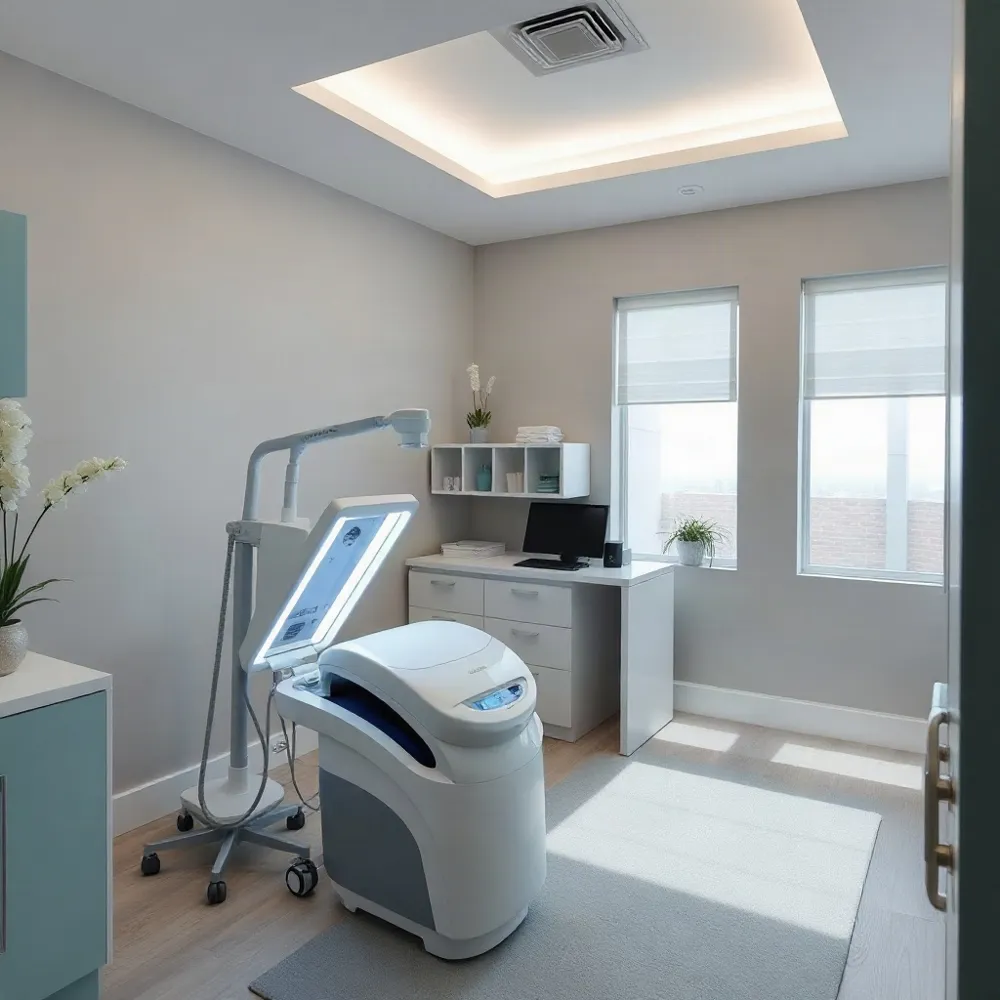 An IPL photofacial may help soften the appearance of sun spots, freckles, uneven pigmentation, mild redness linked to rosacea, and small visible blood vessels. Because it can address several color-related concerns, it may suit some people whose skin shows both redness and brown discoloration. Results depend on the concern and individual skin characteristics, and a course of treatments may be recommended. WebMD’s overview of IPL describes these potential uses and notes that suitability varies.
IPL may also be considered for unwanted hair, but results depend on the device, hair color, skin tone, and treatment area. It is not equally effective for everyone. At Timeless Med Spa in Berlin, New Jersey, treatment planning is personalized around a person's skin and goals rather than assuming one light-based approach fits every concern.
Temporary redness, warmth, mild swelling, or sensitivity can occur after treatment. Spots may look darker before they flake or fade as the skin heals. Less common risks include burns, blisters, infection, scarring, and unwanted light or dark pigment changes. The Aesthetic Society advises patients to follow their clinician’s care instructions and notes that blemishes may darken temporarily during recovery (IPL photorejuvenation aftercare).
Recent tanning, certain medications, and some skin conditions can affect whether IPL is appropriate and may raise the chance of unwanted effects. People with deeper skin tones may also need particular care because pigment can absorb light energy. A qualified provider should review skin tone, health history, medications, and the cause of redness or discoloration before recommending treatment. If IPL is not a good match, a different option may be safer or more suited to the concern.
When IPL May Not Be Suitable
IPL is not appropriate for every skin tone or concern. People with darker skin tones may face a higher risk of burns or unwanted pigment changes, but suitability depends on the person, device, and settings rather than a blanket rule. A qualified provider can assess whether IPL is a reasonable option for your skin, as WebMD’s IPL guidance explains.
Recent tanning or sunburn may make treatment less suitable, and a provider may recommend waiting until the skin returns to its usual tone. Light-sensitizing medications or topical products, certain skin or medical conditions, and active irritation or infection in the treatment area may also call for postponing IPL or considering another approach. Do not stop prescribed medication without guidance from the clinician who manages it.
At Timeless Med Spa, treatment planning is personalized to support natural-looking results. A consultation should cover skin tone, health history, medications, the concern you want addressed, and your goals, while also reviewing alternatives. Since IPL is designed for selected concerns and may not suit every condition, an individualized assessment helps clarify whether to proceed, wait, or consider a different option.
Session Planning and Expected Changes
The number of IPL sessions depends on the concern being treated, its severity, and how your skin responds. A provider may recommend a series, with treatments spaced several weeks apart to allow the skin to recover. At Timeless Med Spa, treatment planning is personalized to each client’s skin and goals rather than based on a one-size-fits-all schedule.
One session may make a visible difference for some people, while others need several treatments. After IPL, brown spots can darken temporarily before fading or flaking as the skin sheds. The number of sessions and the timing of visible changes vary by person and concern, as WebMD’s IPL overview explains.
Different concerns may improve on different timelines. Redness may take longer to settle than pigmented spots, and results are not guaranteed. Some people may discuss maintenance treatments as part of longer-term planning, since new spots or visible vessels can develop over time.
Ask your provider what changes are realistic for your specific concern and when you are likely to notice them. A consultation at Timeless Med Spa can help set expectations around the proposed treatment course and your individual response.
Recovery and Gentle Aftercare
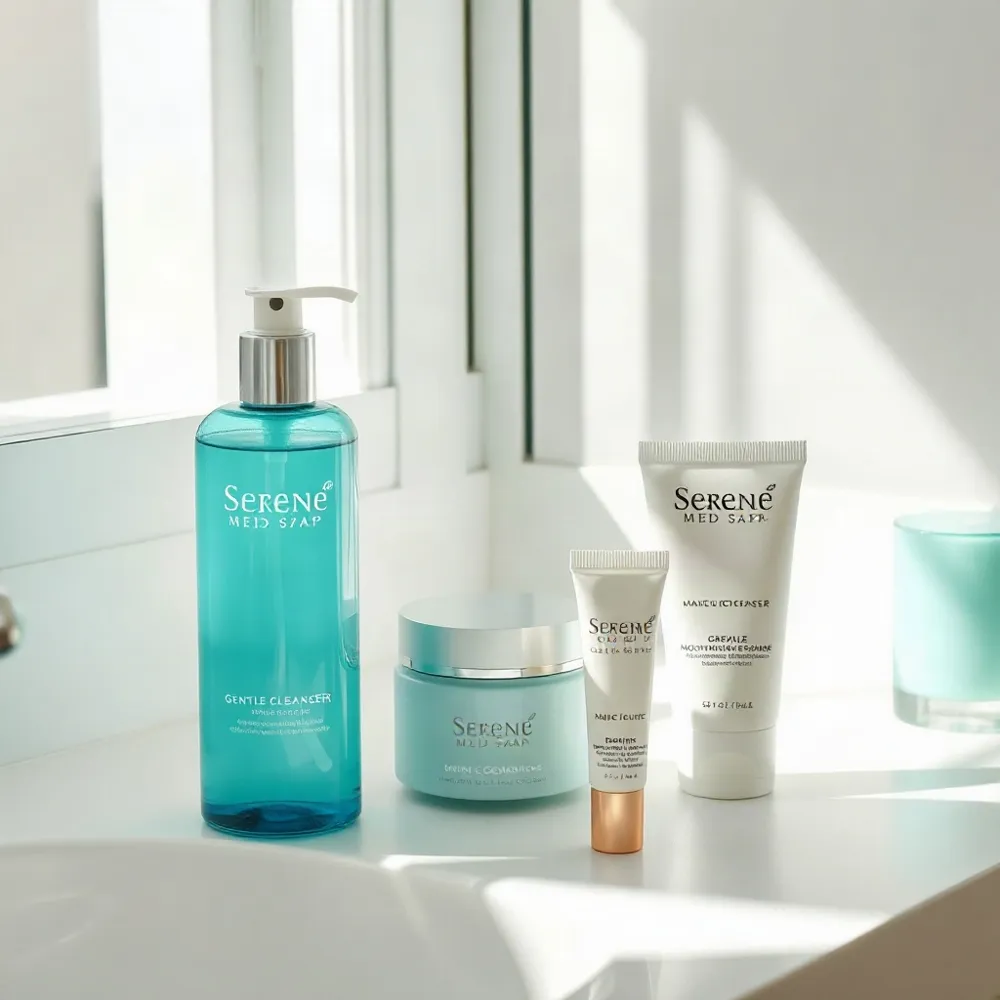 After IPL, treated skin may look red or blotchy and feel warm, tight, or like a mild sunburn. These effects are usually temporary, but recovery differs from person to person. Pigmented spots may look darker before they flake or fade. The Aesthetic Society notes that a sunburn-like feeling may ease within 24 hours, while blemishes can darken for a period as the skin sheds. Follow your clinician’s advice about when to resume normal activities and work. IPL recovery guidance from The Aesthetic Society offers general information, not a timetable for every patient.
Keep your routine simple: cleanse gently, apply a suitable moisturizer, and protect treated skin from the sun. Use broad-spectrum SPF 30 or higher as directed, and seek shade outdoors. WebMD also advises gentle skin care and sun protection during recovery after IPL. WebMD’s IPL overview describes possible temporary redness and changes in pigmentation, but your provider’s instructions should guide your care.
Avoid picking or scratching darkened spots, and hold off on hot water, retinoids, exfoliants, scrubs, and other irritating products until your provider says they are appropriate. A clean, cool compress may help with warmth or discomfort. For more on what healing can look like, see IPL recovery and gentle aftercare.
Aftercare and return-to-activity guidance can vary with skin type and treatment. At Timeless Med Spa in Berlin, New Jersey, personalized treatment planning can take individual skin needs into account. IPL guidance should not be assumed to apply to laser procedures, which may have different recovery needs. Contact your treating provider if symptoms are severe, worsening, or unexpected.
Understanding the Cost of Full-Face IPL
 A full-face IPL treatment may cost around $635 per session, but that figure is only an estimate. Prices can range from several hundred dollars to more than $2,000, depending on the provider, location, and treatment plan. For broader context on how IPL is priced and planned, see this guide to IPL treatment.
Treating the entire face generally costs more than focusing on a smaller area. The total investment can also rise if several sessions are recommended, since the appropriate number depends on your skin concerns and response to treatment. A quoted per-session price may therefore differ from the cost of a complete course.
At Timeless Med Spa in Berlin, New Jersey, a consultation can help assess whether IPL may suit your skin and goals, and provide an individualized quote. Before booking, ask whether the price includes the consultation, follow-up care, a package of sessions, or recommended aftercare products. No estimate guarantees treatment suitability or a final price.
Choose With Confidence
The right choice depends on the concern being treated, your skin tone and health history, and how you weigh potential results against recovery time. No single light-based treatment suits everyone, and another approach may be more appropriate.
At Timeless Med Spa in Berlin, New Jersey, treatment planning is personalized to each client’s skin and goals. A qualified provider can discuss whether IPL, a laser treatment, or another option is suitable, along with possible risks, likely session count, aftercare, and total cost before you decide.
Clear expectations and a plan tailored to your needs can support natural-looking improvement, while recognizing that results vary and cannot be guaranteed.