
Understanding Skin Tightening
Non-invasive skin tightening may appeal to people who want a gradual improvement in firmness without surgery. These treatments use energy-based methods to encourage changes in the skin, but they do not create the same lift or remove excess skin as a surgical procedure.
With age, the skin produces less collagen, a protein that helps support its structure. This loss can contribute to skin that looks looser or feels less firm. Depending on the method, a treatment may use laser, radiofrequency, or ultrasound energy to warm targeted tissue and stimulate collagen remodeling. These technologies are distinct, so “skin tightening” does not describe one single procedure.
The treatment plan, recovery, and likely degree of improvement vary with the technology, treatment area, skin condition, and amount of laxity. Results usually develop over time rather than appearing all at once, and significant sagging may call for a different approach. At Timeless Med Spa in Berlin, New Jersey, personalized care and natural enhancement are central to discussing whether a treatment fits someone’s goals.
How Laser Tightening Works
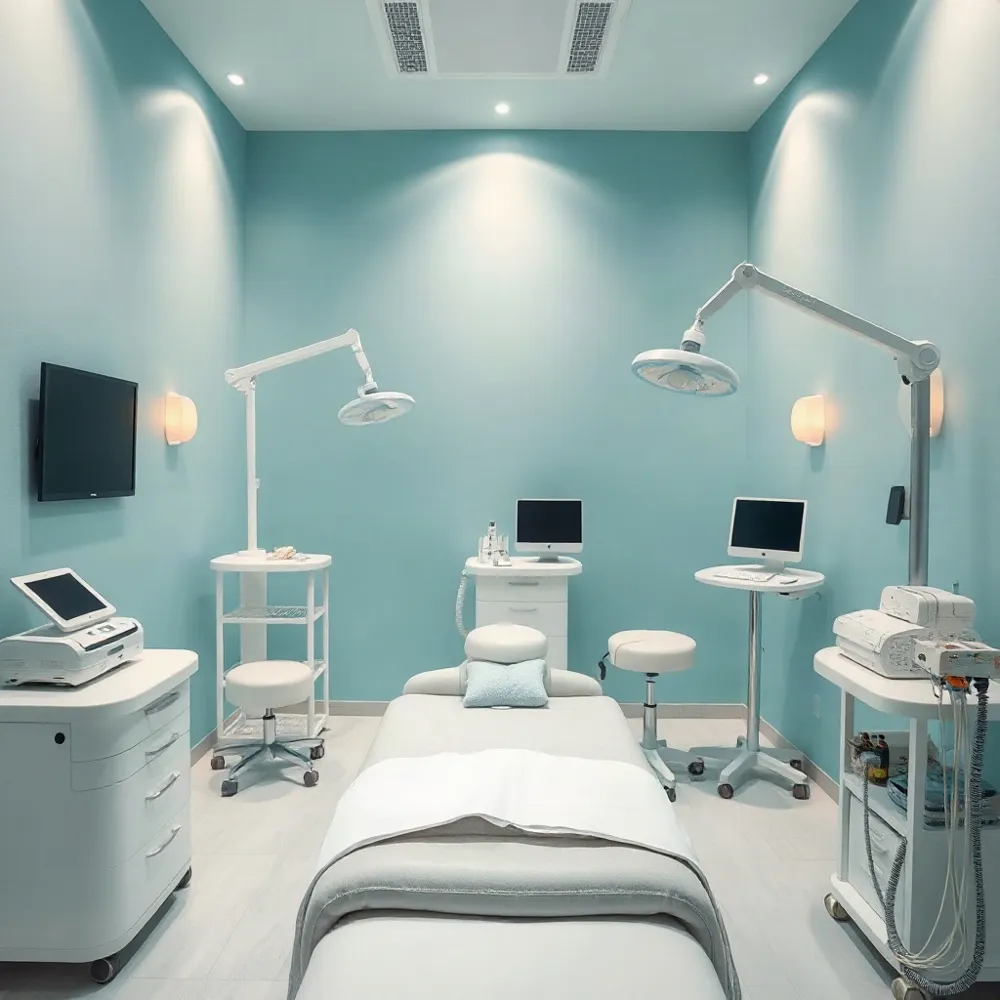 Laser skin tightening uses focused energy to warm targeted skin layers and encourage collagen production. As collagen gradually remodels, skin may look firmer and feel smoother, which can soften mild laxity and fine lines. At Timeless Med Spa in Berlin, New Jersey, treatment planning is personalized to each client’s skin concerns and goals rather than based on a one-size-fits-all approach.
The term can describe different procedures. Some treatments heat tissue without removing the skin’s surface, while laser resurfacing creates controlled areas of injury to prompt renewal. Resurfacing may also improve texture or uneven tone, but it has distinct recovery needs. The Mayo Clinic’s overview of laser resurfacing explains that nonablative approaches leave the outer skin layer intact and usually have shorter recovery, while ablative methods remove that layer and require more healing.
The method, treatment area, and individual skin all affect the expected course. A clinician can assess whether a surface-sparing treatment or resurfacing approach better fits a person’s goals and discuss likely recovery before treatment. Timeless Med Spa’s educational resources also describe non-invasive laser treatments as options for gradual skin improvement, not instant lifting.
Collagen changes take time, so improvement may emerge gradually rather than immediately; a course of sessions may be recommended depending on the approach. Laser treatment can help with mild laxity, but it cannot provide the degree of correction needed for significant sagging. A consultation helps set realistic expectations and determine whether a non-surgical option is appropriate.
Realistic Results and Limits
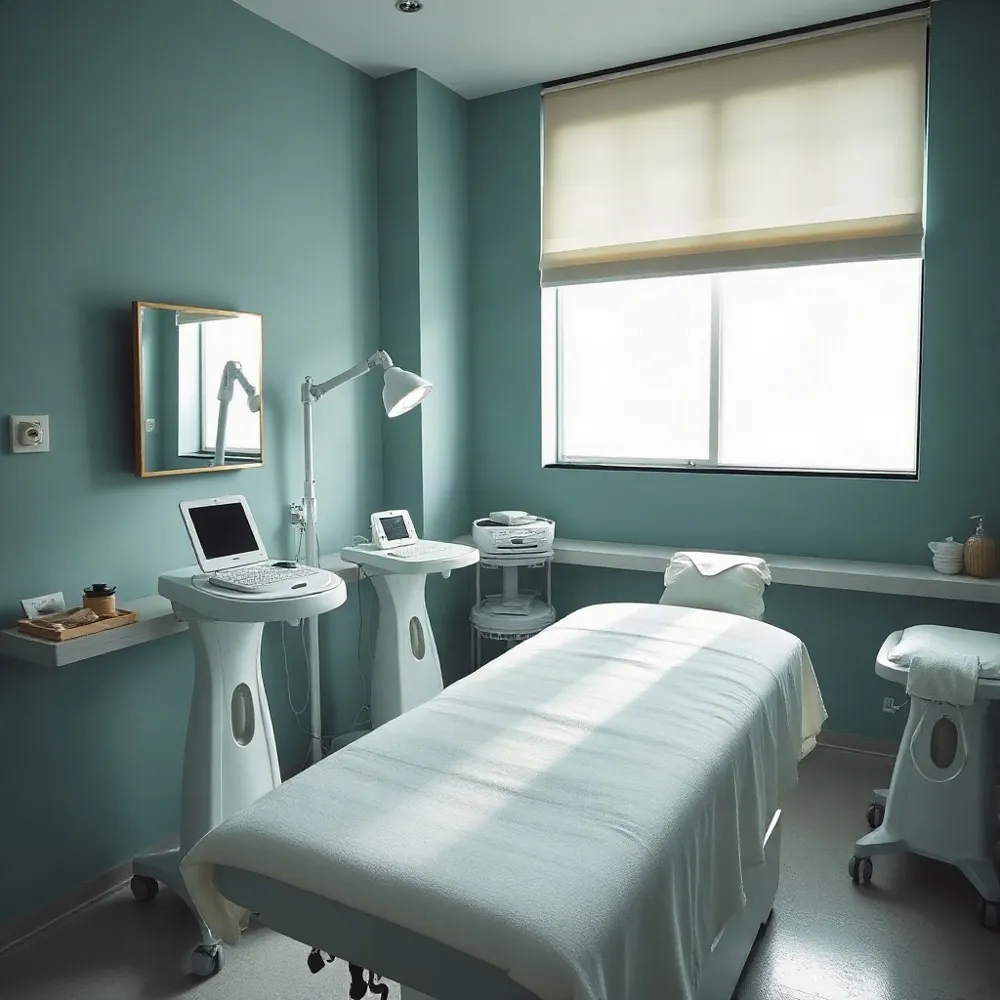 Non-invasive laser skin tightening may improve mild to moderate laxity, but changes are usually gradual and modest rather than dramatic. As collagen remodels, skin may look firmer or smoother, with subtle lifting in suitable areas such as the face or neck. Results develop over weeks or months, so an immediate, surgery-like change is not a realistic expectation. The American Society for Dermatologic Surgery notes that collagen-stimulating results can take months to become apparent.
The amount of improvement depends on the treatment method, the area treated, skin condition, and individual response. Some people may be advised to complete a series of sessions, while others may have a different treatment plan. Timeless Med Spa’s personalized approach to skin and beauty treatments centers on matching care to individual goals and supporting natural-looking enhancement, rather than promising a uniform result.
These treatments cannot remove substantial excess skin or reliably correct advanced sagging. Laser resurfacing may improve texture and make treated skin feel firmer as it heals, but Mayo Clinic explains that it does not correct sagging skin. A clinician can assess whether a non-surgical option fits the concern or whether other approaches merit discussion. For broader context on modest, gradual outcomes, see this guide to realistic skin-rejuvenation expectations.
Comparing Energy Based Options
The term skin tightening covers several energy-based approaches, not just lasers. Options include laser treatments, radiofrequency (RF), focused ultrasound, and combinations of intense pulsed light (IPL) with RF. Each delivers energy differently, so the name of a treatment alone does not show what it can address or what recovery may involve.
RF heats tissue to encourage collagen remodeling. Ultrasound focuses energy at selected deeper layers, while laser treatments use light energy and may also target texture or tone. IPL is a broad-spectrum light treatment, not a laser; when paired with RF, the two energy types may address different skin concerns. The American Society for Dermatologic Surgery’s overview of non-invasive skin tightening describes these as distinct energy sources and notes that treatment choice depends on the device, area, and individual.
At Timeless Med Spa in Berlin, New Jersey, treatment planning should begin with the person’s skin concerns and goals rather than assuming one technology suits everyone. The depth reached, areas that can be treated, skin suitability, and number of sessions vary by approach. A clinician can also review health history and discuss realistic outcomes and recovery before recommending an option.
Many collagen-stimulating treatments produce gradual changes over weeks or months rather than an immediate lift. Laser resurfacing may improve texture and color, but it does not correct sagging skin, as Mayo Clinic explains in its guidance on laser resurfacing. Comparing options therefore means weighing the concern being treated, not simply choosing the device with the most familiar name.
Timeless Med Spa’s personalized approach can help connect those differences to an individual’s desired result, comfort with downtime, and skin characteristics. A professional assessment is especially useful when considering combined treatments or when skin tone, medical history, or the degree of laxity may affect suitability.
Areas That May Be Treated
Non-invasive skin tightening may be considered for the brow, jawline, neck, and chest, as well as body areas such as the abdomen, arms, and thighs. The American Society for Dermatologic Surgery lists several facial and body areas that may be treated, while noting that the approach and number of sessions depend on the device and individual.
The same technology may not suit every area or concern. A clinician should assess skin condition, the degree of laxity, and treatment goals before recommending an option. At Timeless Med Spa in Berlin, New Jersey, personalized treatment planning can help match a client’s concerns with an appropriate approach, without assuming that every area will respond in the same way.
Depending on the treatment, the aim may be a gradual improvement in firmness or texture. Energy-based procedures should not be presented as guaranteeing a lift, and more pronounced sagging may need a different approach. An individual assessment helps clarify what changes are realistic for each area.
After Weight Loss
After weight loss, skin may feel less firm, but the amount of looseness and the skin’s ability to respond vary. Energy-based treatments may help with mild to moderate laxity by encouraging collagen remodeling and gradual firming. Timeless Med Spa in Berlin, New Jersey, emphasizes personalized treatment planning, so an assessment can consider the area, skin condition, and the change you hope to see.
Radiofrequency and ultrasound are different from laser treatments, though both can stimulate collagen. The American Society for Dermatologic Surgery’s guidance on non-invasive skin tightening notes that collagen-related results can take months to appear and that treatment plans vary by device and individual. Improvement may be subtle, and a series of sessions or later maintenance may be part of the plan.
These treatments do not remove excess skin. If weight loss has left significant hanging or stretched skin, energy-based tightening may not provide the change you want, and another approach, including surgery, may be more suitable. A consultation at Timeless Med Spa can help clarify what a non-invasive treatment may realistically address, rather than assuming any particular device can correct substantial excess skin.
For background on how energy-based treatments are discussed after weight loss, see this overview of anti-aging treatments.
Understanding Treatment Costs
How much does non-invasive skin tightening cost? A supplied nationwide estimate places prices at roughly $120 to $8,200, a broad range rather than a Timeless Med Spa price quote. The total depends on the treatment method and plan, so a single advertised session price may not reflect the full course.
Costs can vary with the technology used, the size and location of the area treated, the number of sessions recommended, and provider expertise. Some approaches are priced per session, while others may require a series. Ask whether the estimate includes consultation, follow-up visits, or maintenance, and what could change the quoted total. Since results and treatment plans vary, a personalized assessment is the most useful basis for comparing costs.
At Timeless Med Spa in Berlin, New Jersey, treatment planning is personalized to each person’s skin concerns and goals. During a consultation, request an itemized estimate and discuss expected sessions, possible alternatives, and what the price covers. Skin-tightening procedures are generally elective cosmetic treatments, so confirm payment arrangements and whether any portion is covered before proceeding.
For broader context on how expenses can differ across skin rejuvenation options, see this overview of skin rejuvenation costs.
How Long Results May Last
Skin-tightening results are temporary. Treatments cannot stop natural aging or prevent future changes in skin elasticity, so the visible improvement may gradually fade. For many non-invasive approaches, results may last about six to twelve months, while some people may see benefits for up to two years. These are estimates, not guarantees, and the outcome depends on the treatment, skin quality, age, lifestyle, and sun exposure.
Changes may take time to appear because collagen remodeling happens gradually over weeks or months. The American Society for Dermatologic Surgery notes that results from collagen-stimulating treatments often take at least three to six months to become apparent, and that timing varies by device and individual factors (ASDS guidance on non-invasive skin tightening).
At Timeless Med Spa in Berlin, New Jersey, a personalized discussion can help set expectations for the treatment being considered and whether maintenance may be appropriate. Consistent skincare and sun protection can support skin health; after laser resurfacing, Mayo Clinic recommends daily moisturizer and sunscreen with SPF 30 or higher, though resurfacing guidance does not apply to every tightening treatment (Mayo Clinic’s laser resurfacing guidance).
Recovery and Skin Care
 Recovery varies with the treatment, its intensity, and your skin’s response. Temporary redness, warmth, swelling, sensitivity, or mild peeling may occur after energy-based treatments. These effects are often short-lived, but the American Society for Dermatologic Surgery’s guidance on non-invasive skin tightening notes that swelling or bruising can sometimes last longer.
A gentle tightening treatment may involve little downtime, while more intensive laser resurfacing causes a different kind of recovery. Resurfacing can leave skin feeling sunburned, tender, or swollen, and peeling or crusting may develop as it heals. Follow the instructions for the specific procedure rather than assuming every laser treatment has the same aftercare.
Cleanse gently with cool or lukewarm water and products approved by your provider. Avoid rubbing or picking at flaky or crusted areas, and wait for guidance before using makeup, retinoids, exfoliants, or other active skincare products. For resurfacing specifically, Mayo Clinic’s laser resurfacing guidance recommends moisturizer and daily sunscreen with SPF 30 or higher after treatment; your clinician’s instructions should guide when to resume your usual routine.
Limit direct sun exposure while skin heals. Once your provider says sunscreen is appropriate, use broad-spectrum protection and consider a hat outdoors. At Timeless Med Spa in Berlin, New Jersey, treatment planning is personalized, so aftercare should reflect the procedure performed and your skin’s needs. Contact your provider if symptoms worsen instead of improving or you are concerned about how your skin is healing.
Risks and Photo Expectations
What are the potential side effects and downsides of laser skin tightening? Temporary redness, warmth, tenderness, or swelling can occur after treatment. Less common risks include burns, blisters, pigment changes, infection, and scarring. The likelihood depends on the device, its settings, the treatment area, and individual skin characteristics. The American Society for Dermatologic Surgery advises discussing possible risks and suitability with a physician.
Risk is not identical for every energy-based treatment. Laser resurfacing, for example, may cause pigment changes, and people with brown or Black skin may have a higher risk of lasting color changes. Resurfacing is not the same as every non-invasive tightening procedure, so a clinician should explain the risks of the specific approach being considered. Timeless Med Spa describes its treatments as personalized; an assessment of your skin and health history can help guide that discussion.
Results are usually gradual and may be modest, and a treatment plan can involve multiple sessions. Tightening procedures do not correct significant sagging, and any improvement is not permanent. Cosmetic treatments are typically not covered by insurance, so ask about the proposed plan and total cost before proceeding. Mayo Clinic’s guidance on laser resurfacing also distinguishes improved texture and firmness from correction of sagging skin.
What can before-and-after photos tell me about skin-tightening results?
Photos can help show possible changes in firmness, texture, or definition, but they are examples, not promises. Compare images of the same person taken with similar lighting, camera angle, distance, and facial or body position. Differences in these conditions can make results look larger or smaller than they are.
Ask when the follow-up photo was taken and whether the person completed a full treatment plan. Collagen-related changes can take months to develop, so an early image may not show the later result. During a consultation at Timeless Med Spa, use photos to discuss your starting skin laxity, goals, medical history, and what a realistic outcome might look like for you.
Personalized Expectations Matter
Choosing a skin-tightening approach depends on more than the treatment name. Skin concerns, health history, the area being treated, and comfort with recovery all shape what may be appropriate. At Timeless Med Spa, personalized treatment planning is part of its approach to supporting natural enhancement and graceful aging.
Use a consultation to ask what degree of improvement is realistic, what risks apply to your skin, how many visits may be recommended, and what treatment and maintenance will cost. Ask to review representative before-and-after photos, too. A qualified clinician can explain whether a treatment is suitable and discuss alternatives when it is not.
Collagen-related changes often develop gradually, and outcomes vary. The American Society for Dermatologic Surgery’s guidance on non-invasive skin tightening notes that results and session plans depend on the device and individual factors. Think of treatment as a possible modest improvement, not a guaranteed result or a substitute for a surgical lift.