
The Promise and Limits of Antioxidants
Pollution, tobacco smoke, and ultraviolet (UV) exposure can contribute to oxidative stress, a process in which unstable molecules called free radicals damage cells. In skin, that damage may play a role in visible aging, but it does not tell the whole story.
Topical antioxidants such as vitamin C may support skin protection or improve the look of uneven tone. Results depend on the ingredient, formulation, and individual skin, so antioxidants are not a guaranteed way to prevent or reverse aging. At Timeless Med Spa in Berlin, New Jersey, skin care is personalized to a client’s concerns and goals rather than treated as one-size-fits-all.
Antioxidants can complement a routine, but they do not replace sunscreen. Daily sun protection remains central to limiting UV-related skin damage.
How Antioxidants Support Skin
 Topical antioxidants are ingredients in skin-care products that may help protect skin from oxidative stress. When a free radical encounters an antioxidant, the antioxidant can donate an electron and stabilize it, potentially limiting further cellular damage. This process is one part of the skin’s defenses, not a guarantee against visible aging. Research on antioxidants and aging also cautions that effects depend on the compound, dose, and how it is delivered.
Ultraviolet (UV) exposure, pollution, and toxins can contribute to free-radical formation. When oxidative stress exceeds the body’s defenses, it can affect cellular components, including proteins, lipids, and DNA. For skin, that makes daily sun protection essential: the American Academy of Dermatology’s guidance on premature skin aging recommends broad-spectrum sunscreen and other protective habits.
Antioxidant products may also be chosen to support appearance-related goals, such as a brighter or more even-looking complexion. Results depend on the ingredient, formulation, and individual skin, so these outcomes should be treated as possibilities rather than promises. Vitamin C, for example, is used in some products for its brightening role, but evidence about antioxidant products does not establish that they reverse visible aging.
At Timeless Med Spa in Berlin, New Jersey, personalized skin and beauty treatments are selected with natural-looking results in mind. A discussion of skin type and concerns can help put topical ingredients in context, while keeping sunscreen and a suitable overall routine in place.
Choosing Ingredients for Your Skin
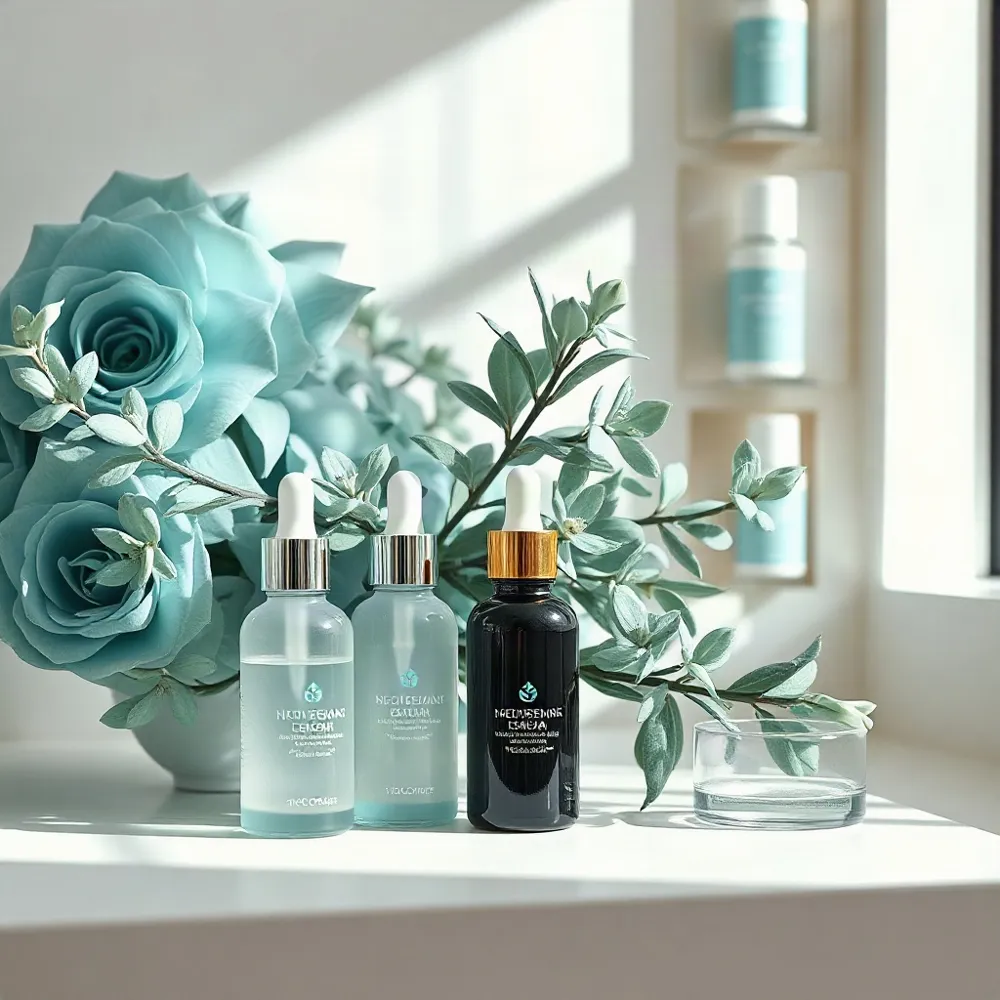 Common skin-care antioxidants include vitamins C and E, niacinamide, green tea polyphenols, and resveratrol. They are not interchangeable, and a product’s formulation can affect how well it suits your routine. A useful starting point is the concern you want to address, balanced against your skin’s sensitivity and tolerance.
Vitamin C is often considered for dullness and the appearance of dark spots. Niacinamide is associated with skin-barrier support and reducing the look of redness. Vitamin E is used for barrier support and hydration, while green tea compounds and resveratrol offer other antioxidant options. These ingredients may suit different preferences, but none is a universal solution. Learn more about commonly used skin-care antioxidants, and keep expectations realistic: research on antioxidant products varies, and results depend on the ingredient and its use.
Choose a product based on your skin’s needs, the full ingredient list, and whether its texture and strength feel comfortable. Introduce one new active at a time and use it gradually, so it is easier to notice irritation or decide whether the product fits. A simple routine you can maintain is often more practical than layering several unfamiliar products.
At Timeless Med Spa in Berlin, New Jersey, personalized skin and beauty treatments are tailored to individual goals, offering a chance to discuss how product choices fit alongside professional care. If you are unsure where to start, ask a qualified skin-care professional for guidance. Daily sun protection remains an important part of skin care, whether or not you use antioxidants; the American Academy of Dermatology’s sun-protection guidance recommends broad-spectrum, water-resistant sunscreen with SPF 30 or higher on uncovered skin.
Introducing Products With Care
 Many people tolerate antioxidant skin-care products, but safety depends on both the formula and the person using it. An active ingredient may sting or irritate, and other ingredients in the product can also affect sensitivity. A reaction does not necessarily mean that every antioxidant will cause the same response.
Check the product directions and ingredient list before use. Add one new active product at a time, especially if your skin is sensitive or your routine already includes ingredients such as retinoids or exfoliating acids. A small-area patch test can help you notice a reaction before applying a product more widely, but it cannot guarantee that irritation will not occur.
If the product is tolerated, follow its directions and increase use only as your skin allows. People who are unsure how a new ingredient fits their routine can review guidance for introducing products to sensitive skin. Timeless Med Spa in Berlin, New Jersey, bases skin treatments on individual needs, which can help inform a cautious approach to product choices.
Daily sun protection remains essential. Use broad-spectrum sunscreen with SPF 30 or higher on exposed skin; antioxidant products do not replace it. The American Academy of Dermatology’s sun-protection guidance also recommends shade and protective clothing.
Stop using a product if irritation persists. Seek qualified guidance for an ongoing reaction or concerns about an existing skin condition, rather than adding more active ingredients to address the problem.
What the Evidence Can Support
Can topical antioxidants slow visible signs of skin aging or make skin look younger? They may help protect skin cells from oxidative injury under certain experimental conditions, and some products may support the appearance of uneven tone. But the available evidence does not establish that antioxidants prevent or reverse visible skin aging in people. A scientific review of antioxidant research cautions that findings from laboratory work and animal studies do not prove reliable anti-aging effects in humans, particularly from supplements (review of antioxidant supplementation and aging).
For example, green tea catechin EGCG protected cultured human skin cells from experimentally induced injury. That finding helps researchers study possible effects, but it is not evidence that a cream or supplement reduces wrinkles in people. Outcomes can depend on the compound, its dose and delivery, and the biological context. More antioxidant is not automatically better.
A varied diet with colorful fruits and vegetables can provide antioxidants as part of broader wellness habits. It should not be presented as a way to erase visible aging or as proof that antioxidants alone cause health benefits. Timeless Med Spa in Berlin, New Jersey, offers personalized skin and beauty treatments, allowing conversations about cosmetic goals to take individual needs into account. For additional context on evidence for skin-care ingredients, see topical ingredients with anti-aging benefits.
Daily sun protection remains a practical foundation: the American Academy of Dermatology recommends broad-spectrum, water-resistant sunscreen with SPF 30 or higher on uncovered skin, along with shade and protective clothing (AAD guidance on reducing premature skin aging). Antioxidants may complement these habits, but realistic expectations matter. The aim is to support skin health and natural-looking results, not promise to stop the aging process.
A Balanced Approach to Graceful Aging
Antioxidants may be a useful part of skin care, but they are not a standalone solution for aging. Consistent sun protection, gentle product choices, and a routine suited to your skin can offer a more practical foundation.
At Timeless Med Spa in Berlin, New Jersey, treatment planning is personalized, with an emphasis on natural enhancement and graceful aging. A qualified professional can help weigh skin concerns, sensitivities, and appropriate options before you add active ingredients or consider a procedure.
Healthy skin goals are best approached with patience and realistic expectations. Antioxidants may support skin care, but no ingredient or treatment can promise to reverse aging.