
Begin With Your Skin
A first skin consultation is a chance to describe what you would like to address before discussing treatments. You might mention changes in texture, dryness, uneven tone, or a routine that no longer feels right. At Timeless Med Spa, a personalized approach begins with understanding your skin needs and goals, rather than assuming one treatment suits everyone.
A thoughtful assessment considers what you notice alongside relevant history, current products, sensitivities, and preferences. That context can help shape recommendations and avoid guesswork. You can also ask why an option is being suggested, what alternatives may fit, and whether it makes sense to wait before proceeding.
Skin analysis is an aesthetic assessment, not a medical diagnosis. If a concern appears to need medical attention, ask whether further evaluation is appropriate. A first visit should leave room for questions and an informed decision, not pressure to book a service. For more on tailoring care to individual concerns, see customizing your skincare journey.
What A Skin Analysis Involves
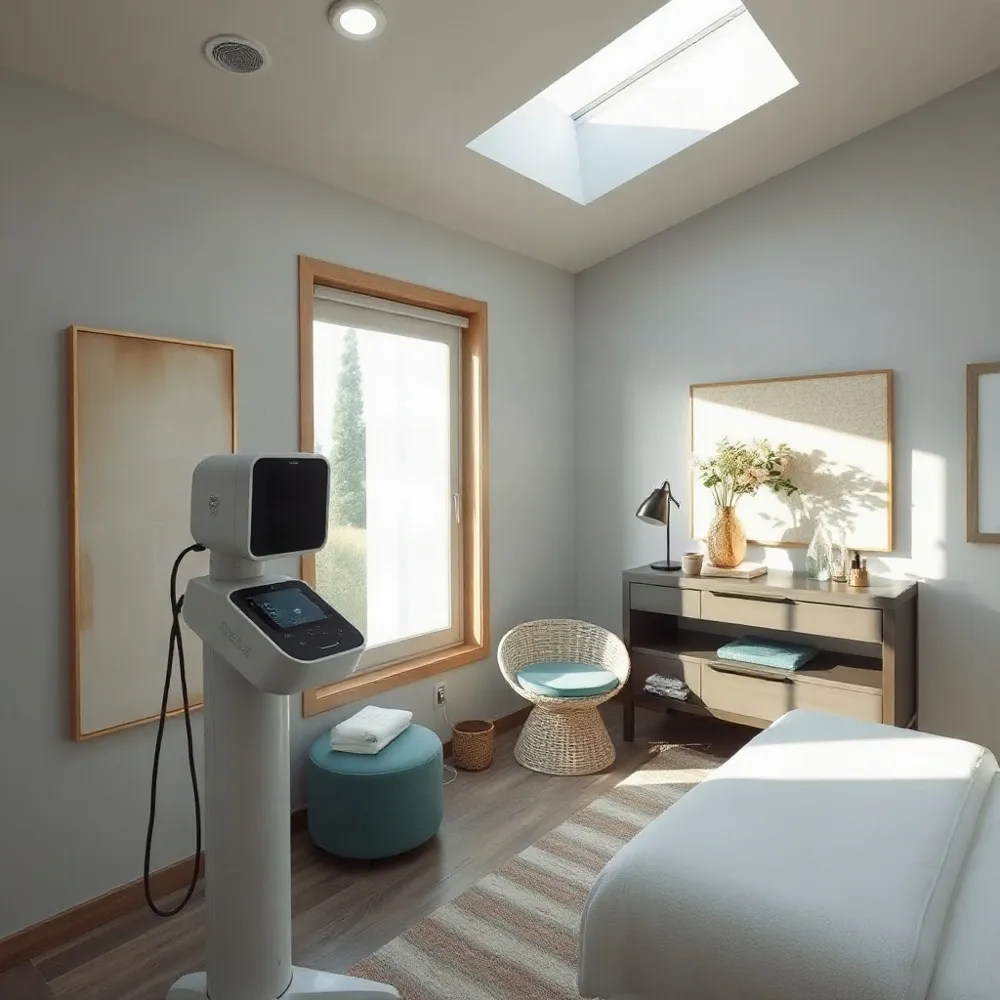 A professional skin analysis usually begins with a conversation, then combines what you share with what a provider can observe. At Timeless Med Spa, the consultation is described as including a review of medical history, current skincare products, and desired results, helping shape recommendations around your needs. You can also review [how a professional consultation supports personalized treatment planning](./tailoring-aesthetic-treatment-plans-for-individual-skin-types-and-goals#the-role-of-professional-consultation-in-ensuring-effective-and-safe-treatment-plans).
Expect to discuss your concerns in your own words, when they started, and what you hope to change. The provider may ask about active ingredients in your routine, sensitivities or allergies, medications, relevant health history, recent treatments, and sun exposure. These details can affect how the skin responds and whether a proposed service is appropriate.
Your description is one part of the assessment, not the whole picture. Skin that feels oily, for example, may also show signs of dehydration. Under suitable lighting, a provider may look at tone, texture, pores, oiliness, dryness and hydration, redness, inflammation, blemishes, pigmentation, fine lines, sensitivity, and areas where the skin barrier may be compromised.
Gentle touch may add information about texture, dryness, oiliness, firmness, elasticity, congestion, or tenderness. Any hands-on assessment should follow appropriate hygiene practices. The provider may also distinguish your general skin type, such as dry, oily, or combination, from current conditions that can shift with weather, hormones, products, stress, lifestyle, medications, or previous treatments.
Methods vary by practice and by the concern being assessed. Some providers may use photographs, imaging, or handheld tools, but these are not universal requirements. Timeless Med Spa describes beginning with a consultation and history review; no particular imaging device or assessment technology is specified.
Relevant observations and history can be documented to support a tailored discussion and track changes over time. At Timeless Med Spa, the consultation helps connect medical history, current products, and desired results with possible next steps. You can ask how each recommendation relates to your goals, what factors may affect safety, and whether a follow-up review would be useful.
Make The Conversation Collaborative
 A skin analysis is most useful when you can ask questions and understand how the observations connect to your goals. Ask what it suggests about your skin type and current concerns, and whether products, habits, or other factors might be contributing. Timeless Med Spa’s guide to assessing skin types before starting a rejuvenation plan describes a consultation that reviews medical history, current products, and desired results.
Ask which treatments and at-home products could support your goals, why they are being suggested, and what alternatives may be appropriate. A recommendation should reflect both the observed condition of your skin and your history, not only the service you initially request. For example, sensitivity or dryness may call for a gentler approach than aggressive exfoliation, even if rough texture is your main concern.
You might ask: “What results are realistic, and how long could they take?” Also clarify possible risks and side effects, expected downtime, aftercare, and whether follow-up visits may help assess your progress. Share your current products, sensitivities, medications, relevant medical history, and recent cosmetic procedures so the provider can consider safety and suitability.
Clear explanations should leave room for your preferences. A provider can explain the reasoning behind a recommendation in respectful, accessible language, while listening to what you want to change and what you prefer to leave alone. For more on making treatment decisions collaboratively, see the role of professional consultation in treatment planning.
Plan Follow-Up Around Changing Needs
There is no universal schedule for a professional skin analysis. A general cadence of every three to six months may suit some people, but timing depends on skin concerns, treatments, routine, and any changes in the skin. This interval is a guide, not a requirement or a Timeless Med Spa protocol.
If you are addressing a specific concern or receiving treatments, ask your provider whether check-ins would help assess your skin’s response and adjust the plan. At Timeless Med Spa, recommendations are personalized around your skin needs and goals, rather than a fixed timetable.
A reassessment may also be useful after seasonal shifts or changes in sun exposure, stress, or lifestyle. These factors can affect how skin looks and feels, and whether your current routine still fits.
When baseline notes or standardized photographs are used, they can help you and your provider compare visible changes across visits. They offer a reference for discussion, not a guarantee of a particular result. Ask your provider what follow-up schedule best supports your goals; personalized aesthetic plans should reflect changing needs.
Clarify What The Appointment Costs
How much does a professional skin analysis cost? There is no single standard rate. Some providers include the analysis in a consultation or treatment, while others offer it as a separate appointment, so the price depends on what is included.
One Denver provider lists an advanced imaging analysis for $105, including two scans and a review of the results. That is one provider’s price, not a standard fee or an estimate for New Jersey.
For current pricing at Timeless Med Spa in Berlin, contact the spa directly. Ask whether an analysis is offered on its own or as part of a consultation or treatment, and whether its cost can be applied toward a treatment package. Confirming these details before booking helps you understand what the appointment covers without assuming that a scan, complimentary consultation, or package is available.
Weigh The Value Of Personalized Guidance
 A professional skin analysis may be worthwhile if you want recommendations that reflect your concerns, current routine, and preferences. At Timeless Med Spa, a consultation includes discussion of medical history, skincare products, and desired results before planning a rejuvenation approach, as described in its skin assessment guide.
An assessment can help connect visible skin characteristics with possible skincare choices and non-invasive aesthetic options. It supports an informed discussion, not a prescription for the same treatment for everyone. A recommendation should take your goals, skin response, and relevant health history into account, and you should feel able to ask why an option may or may not suit you.
If photographs or other records are used, consistent documentation may help you compare visible changes at later visits. These records can add context to a conversation, but they do not guarantee a particular result or prove that a treatment caused every change.
The value of an analysis depends on the quality of the discussion and whether the guidance fits your needs. It is an aesthetic assessment, not a medical diagnosis. For persistent, changing, painful, or otherwise concerning symptoms, seek evaluation from a qualified healthcare professional.
Leave With A Clearer Plan
A first skin visit can help turn your concerns into a practical plan when careful observation is considered alongside your priorities, routine, and relevant history. Timeless Med Spa describes its approach as personalized, with a consultation that considers your skin needs before shaping a rejuvenation plan. Learn more about assessing skin types before starting a rejuvenation plan.
Bring questions, a list of products or medications, and details about recent treatments or reactions. Ask why a recommendation fits your goals, what alternatives may be available, and what to expect. You can take time to consider the information and decide collaboratively whether to proceed.
Personalized care means adjusting guidance to your skin and preferences, not promising that everyone will get the same result. A thoughtful conversation should leave you with clearer next steps and room to make choices at a comfortable pace.