A Light-Based Approach to Skin Concerns
An intense pulsed light (IPL) photofacial is a non-invasive cosmetic treatment that uses broad-spectrum light to target color in the skin. It may help improve visible sun damage, uneven pigmentation, redness, and some fine lines, though results vary by concern and person. University of Texas Southwestern Medical Center describes IPL as a treatment for pigment and vascular imperfections.
A suitable plan depends on skin tone, medical history, the concern being treated, and personal goals. At Timeless Med Spa in Berlin, New Jersey, care is personalized to support natural-looking results rather than assuming the same treatment fits everyone. A consultation can help determine whether IPL is appropriate and what outcome is realistic.
How IPL Light Works
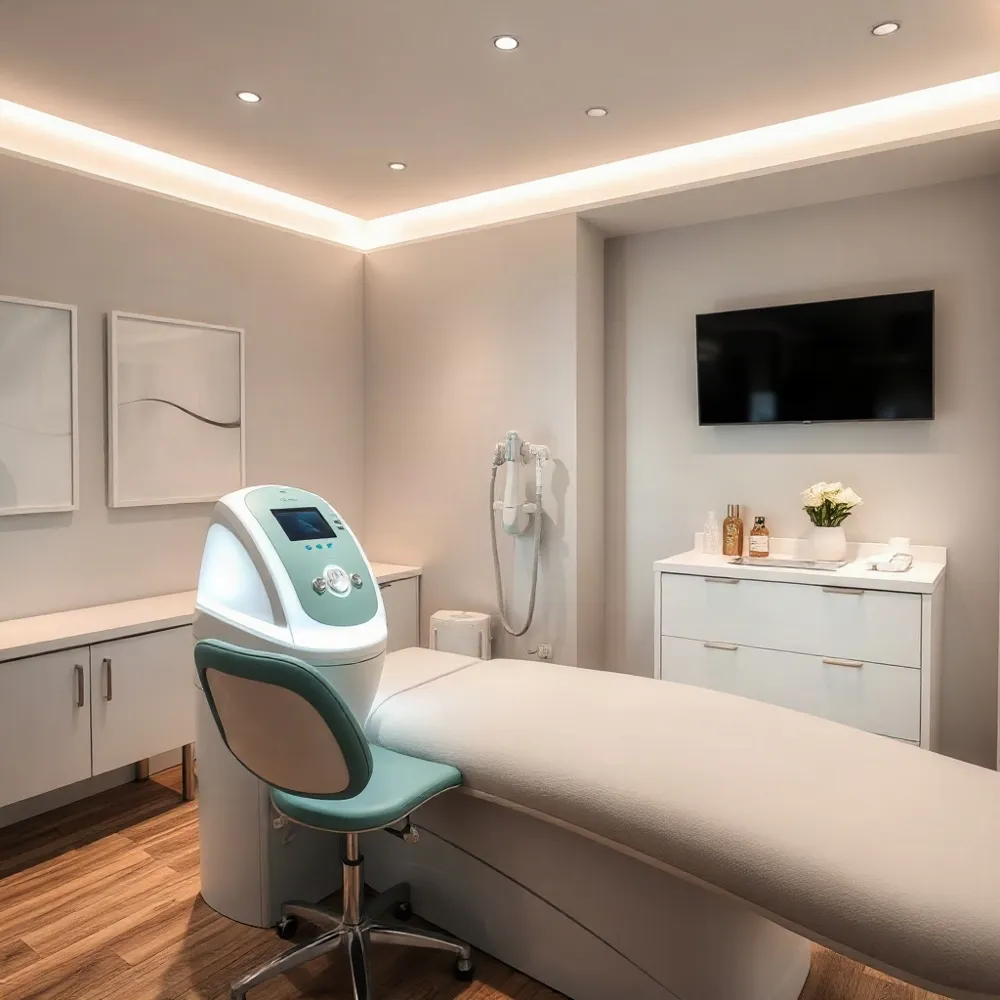 An IPL photofacial delivers broad-spectrum pulses of light, rather than the single focused wavelength used by a laser. Because different wavelengths interact with different colors in the skin, IPL may be planned to address both brown discoloration and visible redness. University of Texas Southwestern Medical Center explains how IPL targets pigment and vascular imperfections.
Melanin, the pigment that gives skin its color, absorbs light in dark spots. Hemoglobin, found in blood, absorbs light in visible vessels. The absorbed energy becomes heat, which helps the body clear targeted pigment or reduce the appearance of small vessels while aiming to spare nearby tissue. The process and likely response depend on the concern being treated.
At Timeless Med Spa in Berlin, New Jersey, treatment planning is personalized to a person’s skin and goals, rather than assuming one light-based approach suits everyone. IPL can address more than one concern in a plan, but skin tone, the type of discoloration, and individual circumstances matter when deciding whether it is appropriate. A consultation helps set realistic expectations and consider other options when needed. The University of Michigan Health overview describes IPL as a gradual approach to reducing pigmentation and redness.
Concerns IPL May Improve
An IPL photofacial may help with several visible skin concerns, though the response depends on the concern, skin characteristics, and treatment plan. It is commonly used for discoloration and redness, and may also be considered for texture changes.
Brown spots, age spots, freckles, and other visible signs of sun damage may become more even in appearance as IPL targets pigment. Treated spots can temporarily look darker before they rise toward the surface and flake away during healing. IPL may be used on sun-exposed areas beyond the face, including the neck, chest, and hands, when appropriate. See more about IPL and hyperpigmentation.
IPL can also target visible redness and small blood vessels, including redness associated with rosacea. It may soften these visible symptoms, but it does not cure rosacea or prevent future flare-ups. UT Southwestern’s overview of IPL photofacial treatment describes its use for pigment and vascular imperfections.
Some people may see improvement in uneven tone and texture, fine lines, acne-related discoloration, or certain scars. Evidence and suitability differ across these concerns, and IPL should not be assumed to treat every type of acne or scar. A consultation at Timeless Med Spa in Berlin, New Jersey can help match the concern and skin characteristics to an appropriate treatment approach, rather than treating every client with the same plan.
Results vary, and a qualified provider should assess whether IPL fits your skin and goals. The University of Michigan’s IPL photofacial information notes that improvement generally develops over a brief series of treatments.
Assessing Suitability and Safety
 Who is a good candidate for an IPL photofacial, and who should avoid it? IPL is generally considered a better fit for lighter skin tones, particularly when the concern is sun-related discoloration or visible redness. Darker skin may absorb more light energy, raising the risk of burns or unwanted light or dark pigment changes. A qualified provider can assess whether IPL is appropriate, consider an alternative, or recommend a test spot when there is uncertainty. The UT Southwestern IPL guidance notes that darker skin tones may not be suitable for treatment.
Recently tanned or sunburned skin should not be treated until it has recovered and a provider confirms it is safe. Some skin conditions, pregnancy, and medicines such as isotretinoin can also affect candidacy. Share your medical history, current medications, recent sun exposure, skin concerns, and treatment goals during a consultation. WebMD’s IPL overview also advises discussing health conditions and medications with a clinician before treatment.
At Timeless Med Spa in Berlin, New Jersey, personalized skin care means considering individual concerns and goals rather than treating every complexion the same way. Reviewing IPL suitability and safety considerations can help frame that discussion. Any new, suspicious, or changing spot should be medically assessed before light treatment. IPL is not a substitute for evaluating a concerning lesion.
Risks and Possible Reactions
What side effects and risks can come with IPL treatment, and can IPL cause cancer? The most common reactions are temporary redness, warmth, mild swelling, tenderness, or a brief sunburn-like feeling. Pigmented spots may look darker before they fade as the skin heals. University of Texas Southwestern Medical Center describes these short-term effects and notes that blistering or scarring is rare.
Less common complications include burns, infection, blistering, scarring, and lasting changes in skin color. Risk can rise when treatment settings do not suit the person’s skin, or when skin is recently tanned or otherwise unsuitable for IPL. At Timeless Med Spa in Berlin, New Jersey, treatment planning is personalized to the client’s skin and goals, so discuss your skin type, medications, and health history with a qualified provider before proceeding.
Available evidence has not established that IPL causes cancer. WebMD reports that research across decades of use has not found an increased cancer risk, but that is not an absolute guarantee about every possible long-term effect. A suspicious or changing spot should be assessed by a medical professional before light treatment, since IPL is not a substitute for evaluating a lesion.
Seek prompt medical advice if a reaction is severe, worsening, or shows signs of infection. Following individualized treatment and aftercare guidance can help reduce avoidable irritation and pigment changes.
Treatment, Recovery, and Aftercare
 What should you expect during and after an IPL photofacial? The appointment includes protective eyewear while the provider applies pulses of light to the treatment area. People often describe the sensation as warmth or a quick snap against the skin, though comfort and appointment length vary with the area treated and the individual.
Afterward, skin may look pink or blotchy and feel warm, tight, or similar to a mild sunburn. These temporary effects often ease within hours to a couple of days. Brown spots may darken and appear more noticeable before they flake away, often over roughly one to two weeks. The University of Texas Southwestern Medical Center’s IPL guidance describes this temporary darkening as part of the healing process.
Keep skincare gentle while the skin recovers: use a mild cleanser, moisturizer, and broad-spectrum sunscreen with SPF 30 or higher. Avoid direct sun and follow your provider’s instructions about heat, exercise, and hot showers. At Timeless Med Spa, aftercare should be guided by the treatment plan and the client’s skin response, rather than a one-size-fits-all schedule.
Do not scrub, pick, or exfoliate areas that are shedding, since this can irritate healing skin. Recovery differs from person to person, so contact your provider if a reaction is concerning or does not improve as expected. For more about what to expect during treatment and recovery, including the common snapping sensation and protective eyewear, see our related guide.
Results and Treatment Planning
How soon do IPL results appear, and how many treatments are usually needed? Improvement is gradual: treated pigment clears and redness settles over time, so visible changes may take one to several weeks. Brown spots can look darker before they flake away. Let them shed naturally rather than picking or scrubbing.
A course of three to five sessions spaced about four weeks apart is commonly described, but it is not a fixed prescription. The number and timing depend on the concern, its severity, your skin, and how it responds. Clinical guidance on IPL likewise notes that session needs vary. At Timeless Med Spa in Berlin, New Jersey, treatment planning is personalized to skin concerns and goals rather than based on a standard schedule.
Ongoing sun protection can help preserve an even-looking complexion, and maintenance treatments may be considered as results change. IPL does not prevent future aging or new sun damage, so daily sunscreen and appropriate skin care remain important. The University of Michigan Health overview of IPL photofacials describes results as developing gradually over a brief series of treatments.
Choosing Between IPL and Laser
Choosing between IPL and a laser depends on the concern being treated, your skin, and how much recovery time you can allow. At Timeless Med Spa in Berlin, New Jersey, treatment decisions are personalized to skin characteristics and goals rather than based on a one-size-fits-all approach.
IPL uses broad-spectrum light that can address areas of discoloration and redness, including sun-related spots and visible small vessels. A laser uses a more focused wavelength, so some laser treatments may be considered for a specific target or more pronounced texture changes, scars, or deeper pigmentation. The right choice depends on the device and clinical assessment, not simply on which technology sounds stronger. See this comparison of IPL and laser treatments.
Recovery also varies. IPL is generally associated with limited downtime, while laser recovery ranges from minimal to more involved, particularly with intensive resurfacing. The American Academy of Dermatology’s IPL overview describes IPL as a distinct light-based treatment, while emphasizing that settings and patient factors affect its use.
A qualified provider can weigh skin tone, medical history, the specific concern, and your preferred recovery time before discussing options. Timeless Med Spa’s personalized approach helps keep the recommendation grounded in your skin and desired outcome, including whether IPL, a laser, or another option merits consideration.
Understanding Treatment Costs
What factors affect the cost of an IPL photofacial? The treatment area, provider experience, and equipment can all influence the price. A focused area may be priced differently from treatment covering several areas, and fees vary between providers.
The recommended number of sessions also shapes the total investment. IPL may be planned as a series rather than a single appointment, with the schedule based on the concern and how your skin responds. Ask whether the estimate covers one treatment, a package, or future maintenance sessions.
At Timeless Med Spa in Berlin, New Jersey, a consultation can help assess your skin, discuss whether IPL is appropriate, and set out a personalized plan. Request an estimate based on the recommended treatment area and number of sessions, rather than relying on a general market figure. IPL treatment costs and planning factors can also vary according to provider experience and whether care includes a package or maintenance plan.
Personalized Care Guides the Choice
IPL may address visible pigment, redness, and some changes in skin texture, but it is not right for everyone and cannot promise a particular result. Suitability depends on factors such as skin tone, medical history, medications, and the concern being treated, as outlined in UT Southwestern’s IPL guidance.
A qualified professional can assess your skin, explain possible risks and recovery, and compare IPL with other options. At Timeless Med Spa in Berlin, New Jersey, that conversation can shape a personalized plan around your concerns and preference for natural-looking results, rather than a one-size-fits-all approach.