Embracing Calm in a Stressful World
Reiki began as a Japanese form of energy healing, and its use has spread well beyond traditional settings. At a med spa, Reiki is often paired with aesthetic treatments like facials and body therapies. The practice works by channeling universal life force energy to encourage the body's natural healing response. While it is not a medical cure, many people find it deeply relaxing and supportive of their overall well-being. The Reiki therapy guides from Cleveland Clinic describe it as a complementary approach that can reduce stress and promote a sense of calm.
When you visit Timeless Med Spa in Berlin, New Jersey, Reiki is integrated as a complement to skin care and relaxation services. The goal is to support both the outer appearance and the inner sense of balance. This aligns with the growing number of people who seek non-invasive ways to manage stress and enhance their natural beauty. As noted by Medical News Today, Reiki is often used alongside conventional treatments to support relaxation and pain management, making it a natural fit for the holistic atmosphere of a med spa.
What to Expect During a Session
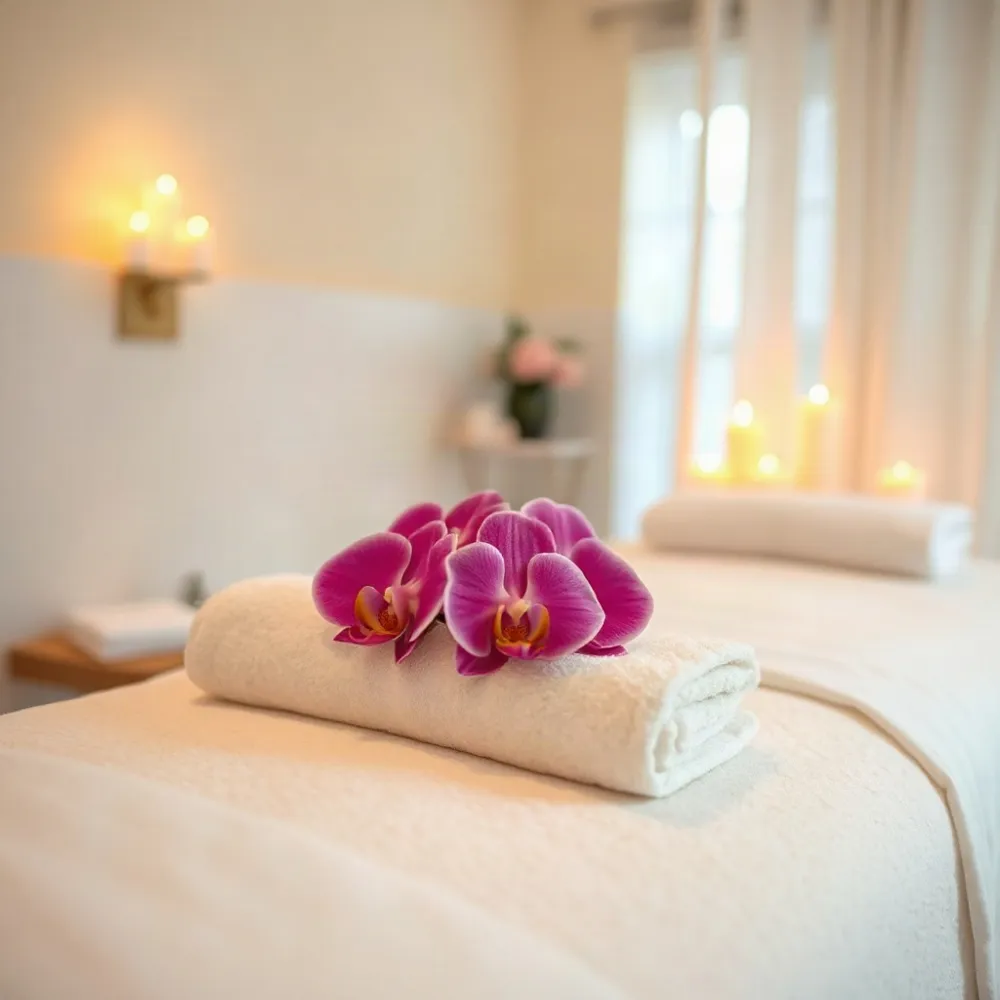
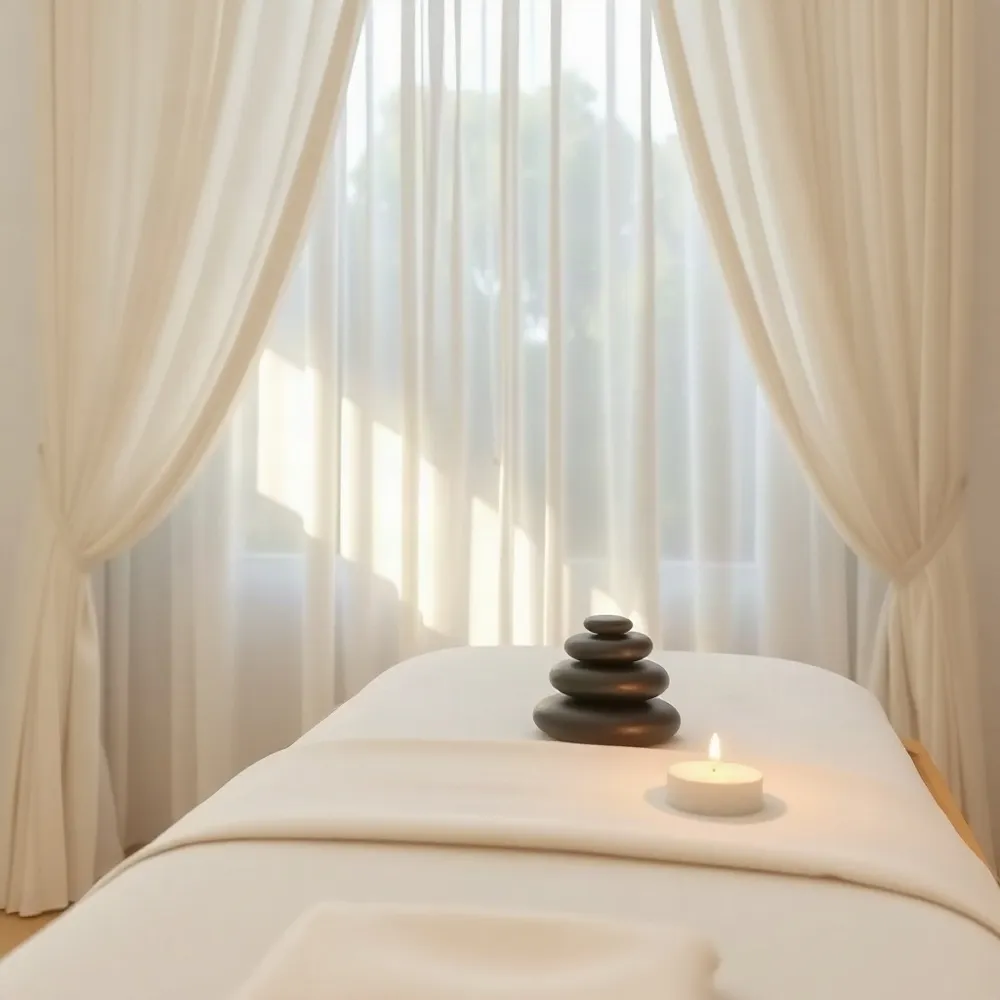
A typical Reiki session at Timeless Med Spa involves lying fully clothed on a treatment table while the practitioner places their hands lightly on or just above specific areas of your body. The session is quiet and calming, with soft music playing in the background. You may feel warmth, tingling, or a deep sense of peace as the energy flows. The University of Iowa Health Care guide explains that the experience varies from person to person, but the most common outcome is a profound feeling of relaxation. You don't need any special preparation, and the session typically lasts between 30 and 60 minutes.
The gentle, hands-on nature of Reiki makes it accessible for almost anyone, regardless of age or physical condition. It is often recommended for reducing stress, easing anxiety, and supporting emotional well-being. At Timeless Med Spa, we offer Reiki as a standalone treatment or as an add-on to your favorite skin care procedures. This flexibility means you can tailor your visit to meet your specific needs. The Mayo Clinic's overview notes that Reiki is generally considered safe, with few side effects, making it an easy addition to your wellness routine.
Relaxation. The primary benefit is deep relaxation, which helps lower stress hormones and calms the nervous system. At Timeless Med Spa, we integrate this into our Reiki therapy offerings to enhance your sense of peace.
Complementary care. Reiki works alongside medical treatments, not as a replacement. As noted by Cancer Research UK, it is used in hospitals and clinics to support patients during treatment, and we offer it here to support your overall health.
Emotional balance. Many clients report improved mood and reduced anxiety after sessions. The Women & Infants blog highlights how energy work can help release emotional blockages, and we've seen this benefit firsthand in our practice.
While Reiki is not a substitute for professional medical care, it can be a powerful complement to your wellness journey. The Cleveland Clinic's Reiki guide emphasizes that it is best used alongside traditional treatments, not instead of them. At Timeless Med Spa, we encourage you to view Reiki as part of a holistic approach to self-care. Whether you're looking to relieve stress, support your skin care routine, or simply carve out a moment of tranquility, we invite you to experience the gentle power of energy healing for yourself.
Understanding Reiki's Origins and Meaning
 Reiki is a Japanese energy healing practice that centers on the idea of channeling universal life force energy to support the body's natural capacity for balance and relaxation. Developed by Mikao Usui in 1922, the word combines a concept meaning "universal life energy" with the notion of a life force that flows through living beings. While scientific evidence does not fully confirm its mechanisms, practitioners and clients often describe a deep sense of calm and reduced stress during and after sessions. For a detailed overview of what the practice involves, you can explore this guide to Reiki.
The practice rests on the premise that this life force energy can be channeled by a practitioner through gentle touch or by hovering hands over the body. This is not about physical manipulation or massage but about creating a receptive state where tension can ease. Many people find that the quiet, focused nature of the session itself promotes relaxation, which may indirectly support skin health by lowering stress-related inflammation. The Cleveland Clinic explains how energy healing works in more detail, noting that a single session typically lasts between 45 and 90 minutes.
How Reiki Relates to Stress and the Body
One of the common applications of Reiki is stress reduction, since stress is a known factor in various skin conditions and overall fatigue. By promoting a relaxation response, Reiki may help the body shift from a hyper-aroused state to one of recovery. However, it is important to clarify that Reiki is not a cure-all or a replacement for medical treatment. As Cancer Research UK notes, it is often used alongside conventional care to support emotional well-being rather than to treat the underlying illness.
The benefits reported by clients often include better sleep, reduced anxiety, and a greater sense of overall peace. These outcomes can be particularly relevant for those who lead busy lives or are managing chronic stress. At Timeless Med Spa, Reiki is offered as a complementary therapy that pairs well with our personalized skin treatments, helping clients achieve a more holistic sense of well-being. For deeper insights into how Reiki can be integrated into a wellness routine, you might read about integrating Reiki into your weekly wellness routine.
While some may approach Reiki with skepticism, its rising popularity in med spa settings reflects a broader interest in holistic approaches that complement modern aesthetic care. The practice is non-invasive and typically has no adverse side effects, making it accessible to most people. Whether you are curious about energy work or seeking an additional layer of relaxation, understanding Reiki's origins and principles can help you decide if it aligns with your wellness goals.
What to Expect During a Reiki Session
What distinguishes one Reiki offering from standard energy work? The same way each med spa session is tailored, Reiki should flex to meet your needs, not the other way around. At Timeless Med Spa, every appointment is built around your personal comfort and wellness goals, blending gentle energy work with a calm, restorative setting to help you feel at ease from the moment you arrive.
Session focus. Some Reiki practices follow a fixed, hands-on protocol, while others adjust based on your needs, such as targeting stress-related skin concerns or deep-seated tension. Timeless Med Spa's approach is collaborative, so you can discuss your intentions beforehand and the practitioner adapts each session accordingly.
Setting and atmosphere. A typical Reiki space offers a quiet table and soft lighting, but the real difference lies in how the environment contributes to your relaxation. At Timeless Med Spa, the focus is on creating a serene, personalized escape where you feel entirely supported.
Practitioner expertise. A skilled practitioner brings more than technique; they bring intuition and attentiveness. At Timeless Med Spa, our team is dedicated to understanding your unique needs, ensuring each session fosters a sense of safety and calm.
Reiki's effectiveness is often linked to how consistent and comfortable the practice feels for you. According to the Cleveland Clinic, Reiki helps with relaxation and stress reduction by supporting the body's natural healing processes. While no substitute for medical care, many people find it a valuable complement to their wellness routine.
What to expect. During a session, you remain fully clothed and typically lie down, while the practitioner places their hands lightly on or near your body. You might experience warmth, tingling, or a profound sense of peace—each person's experience is unique. For a step-by-step look, see our guide on what to expect during a Reiki session.
Who it's for. From busy professionals to those navigating chronic stress, Reiki is suitable for nearly anyone seeking relaxation. At Timeless Med Spa, we often pair it with skincare treatments to enhance overall well-being, helping you feel rejuvenated both inside and out.
| Aspect | Generic Reiki | Timeless Med Spa |
|---|---|---|
| Customization | Standardized sessions | Personalized to your goals |
| Setting | Varies by studio | Calm, private, and welcoming |
| Integrates with | Standalone | Holistic med spa treatments |
Ready to experience the difference? Contact Timeless Med Spa to schedule a session and discover how Reiki can fit into your self-care routine.
The Art of Channelling Universal Life Force Energy
Reiki is often described as a complementary therapy rather than a medically proven treatment. Many healthcare providers acknowledge its potential to promote relaxation, but they also note that rigorous clinical evidence supporting its specific energetic mechanisms is limited. As with any holistic practice, it is important to approach Reiki with realistic expectations and to view it as a tool for enhancing well-being alongside, not in place of, conventional medical care.
Research on Reiki has produced mixed results. Some studies suggest benefits for stress reduction and pain management, while others find effects similar to a placebo. For example, a review of existing evidence highlighted that while many patients report feeling calmer and more at ease after sessions, the measurable physiological changes are inconsistent across studies. This does not necessarily diminish the perceived value of Reiki; rather, it underscores the importance of individual experience and the subjective nature of energy-based healing.
Mechanism. Practitioners believe Reiki channels universal life force energy through their hands to promote balance and self-healing. While this concept has roots in ancient Japanese tradition, it has not been substantiated by conventional scientific methods. Instead, proponents often describe the experience in terms of deep relaxation and a sense of peace, which may trigger the body's natural relaxation response.
Evidence. Clinical studies on Reiki are challenging to design due to the difficulty of creating a true placebo. A 2021 analysis of multiple trials concluded that while Reiki may offer some benefit for anxiety and stress, the overall quality of evidence is low to moderate. Researchers call for larger, better-controlled studies to clarify its efficacy, but they also recognize the potential for Reiki to serve as a valuable adjunct to other relaxation techniques.
Safety. Reiki is generally considered safe when performed by a trained practitioner, as it involves light touch or no touch at all. It has no known side effects and can be used alongside conventional treatments. However, it should never replace prescribed medical care, and individuals with serious health conditions should discuss Reiki with their healthcare provider before using it as a complement.
Despite the lack of overwhelming scientific proof, the subjective benefits of Reiki are widely reported. Many clients describe a profound sense of calm and emotional release, which can contribute to overall well-being. At Timeless Med Spa NJ, we integrate Reiki into our holistic wellness offerings, combining it with evidence-based skin and relaxation treatments to personalize your experience. While we respect the science, we also honor the deeply personal nature of energy healing — something that clinical metrics alone cannot fully capture.
Reaping the Benefits of Deep Relaxation
Reiki is a Japanese energy healing technique that promotes deep relaxation and stress reduction by channeling universal life force energy. The practice originated in the early 20th century and is rooted in the belief that a practitioner can transfer energy to a client through light touch or hovering hand positions. This non-invasive approach is increasingly sought after as a complementary therapy in wellness settings, offering a gentle path to calm the nervous system and support overall well-being.
In a session, the client typically lies fully clothed on a treatment table while the practitioner places their hands in a series of positions, either lightly on or slightly above the body. The goal is to balance the energy flow, which is believed to reduce physical and mental stress. Many people find the experience deeply calming, and some report sensations of warmth, tingling, or a sense of deep release. While the scientific evidence for energy healing is limited, the therapeutic benefits of relaxation are well-documented. For more on how this works, see this overview of Reiki: How Energy Healing Works.
What Reiki Feels Like and Why It Helps
- A sense of deep peace and calm, often within minutes.
- Reduced muscle tension and a slower, more regular breathing pattern.
- Improved sleep quality and a feeling of mental clarity.
These effects are largely attributed to the relaxation response, which counters the body's stress reaction. By activating the parasympathetic nervous system, Reiki can help lower cortisol levels and promote a state of rest and digest. This is why Reiki and deep relaxation are so closely linked; the practice creates the ideal conditions for the body to heal and restore itself.
Reiki as Part of a Holistic Wellness Routine
Incorporating Reiki into a regular wellness routine can complement other self-care practices. Many clients visit a med spa for its anxiety-reducing benefits, but the experience extends beyond the table. At Timeless Med Spa, we pair Reiki with our aesthetic treatments to enhance overall well-being and promote a radiant glow from the inside out. Unlike a quick massage that may feel good for a day, Reiki's effects can be cumulative, supporting long-term emotional balance.
Other energy-based modalities, such as acupuncture or reflexology, focus on similar principles of energy flow, but they often involve needles or pressure points. Reiki's gentle, hands-on approach makes it accessible to those who prefer a more subtle intervention. For busy professionals or individuals with chronic stress, the benefits of deep relaxation are particularly valuable, helping to disconnect from the daily grind and reconnect with the body's natural rhythms.
Comparing Energy Therapies: Reiki vs. Others
Reiki. Energy healing through light touch, promoting deep relaxation and stress reduction. No pressure or needles, making it highly accessible.
Acupuncture. Uses fine needles to stimulate energy meridians. Can be effective for pain relief but involves insertion and may not suit needle-averse clients.
Reflexology. Applies pressure to specific points on the feet or hands. More localized, whereas Reiki works on the whole body's energy field.
Each method has its own strengths, but Reiki's non-invasive nature and ease of integration into a med spa environment make it a standout choice for relaxation and holistic wellness. While competitors may offer energy work as a standalone service, at Timeless Med Spa we incorporate it into a comprehensive plan that addresses both inner calm and outer radiance.
| Aspect | Reiki in Med Spa | Standalone Reiki |
|---|---|---|
| Environment | Serene, clinical setting with a focus on overall aesthetics | Quiet room, often in a private home or studio |
| Customization | Tailored to complement other skin treatments | Generally one-size-fits-all relaxation sessions |
| Outcome focus | Combines energy healing with beauty benefits | Primarily stress relief and relaxation only |
Ultimately, the choice between Reiki and other energy therapies depends on your goals. If you're seeking to enhance your med spa experience with a treatment that calms the mind and supports your skin's health, Reiki offers a gentle yet powerful addition. To explore how Reiki can be part of your wellness journey, consider visiting Timeless Med Spa to experience the benefits firsthand.
Considering the Costs and Insurance Coverage
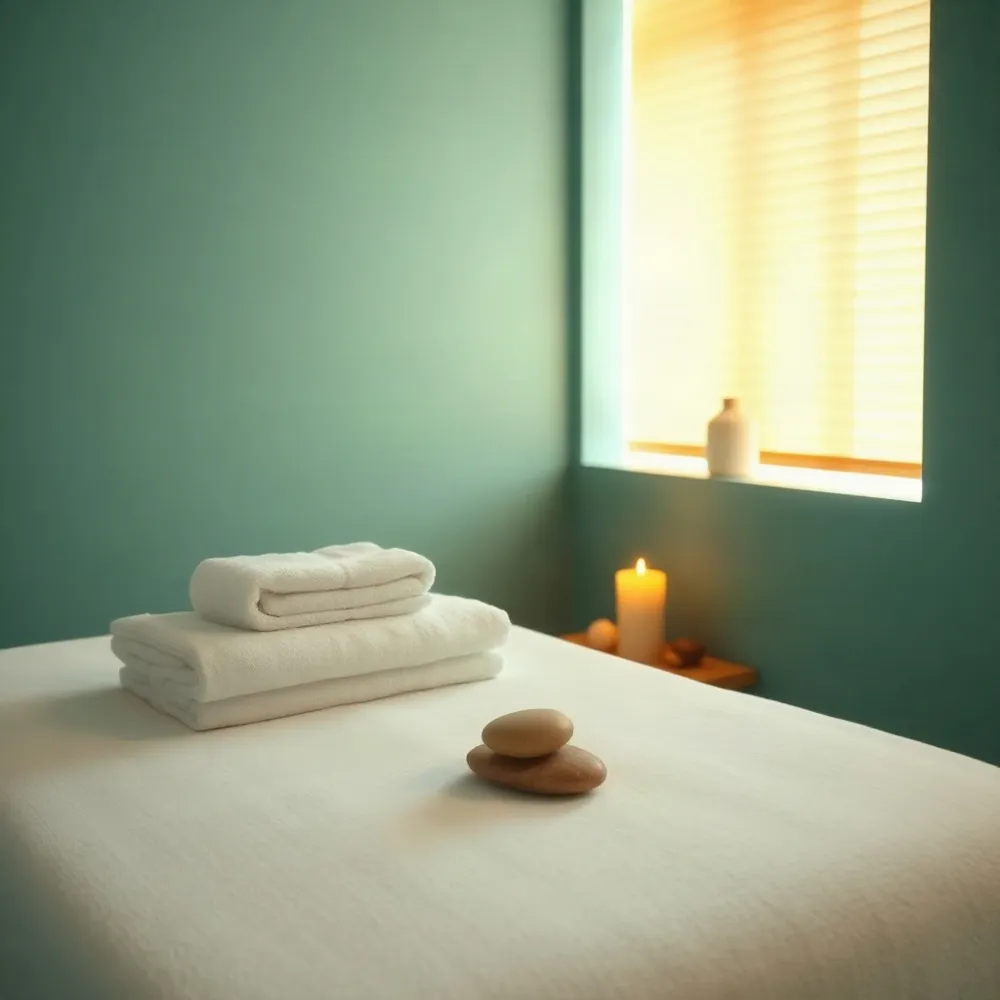
A typical Reiki session is a gentle, clothed experience that usually lasts between 45 and 90 minutes. You remain fully dressed and lie on a treatment table, often in a quiet, softly lit room. The practitioner may use a light touch or hold their hands just above your body, moving through a series of hand positions from head to toe. According to a Cleveland Clinic overview, the process is deeply relaxing, and many people report feeling warmth, tingling, or a sense of deep calm during the session.
During the treatment, Reiki is believed to channel universal life force energy to support the body's natural healing response. Rather than being a massage or physical manipulation, it works on a subtle energetic level. As WebMD explains, Reiki is a complementary therapy, meaning it's often used alongside conventional medical care to promote relaxation and reduce stress. The focus is on restoring balance, not on diagnosing or treating specific conditions.
The Role of the Practitioner and the Receiver's Experience
The practitioner's role is to act as a channel for energy, but the healing comes from within the receiver. Your own intention and openness play a significant part in the experience. Some people feel immediate relaxation; others notice subtle shifts over the following days. As Reilly's impact on stress is well-documented, a session is less about a specific outcome and more about creating a space for your body to release tension and restore its own equilibrium. This gentle, non-invasive approach is what makes Reiki accessible to nearly anyone.
You might wonder whether a single session is enough. While one session can induce deep relaxation, many people incorporate Reiki into a regular wellness routine for ongoing benefits. The Cancer Research UK guide to Reiki notes that while it won't cure any condition, it's often used to help manage stress and improve quality of life. For a deeper understanding of how Reiki integrates with your own self-care, take a look at Integrating Reiki into Your Weekly Wellness Routine.
Weighing Safety and Potential Disadvantages
 While most research highlights Reiki's benefits for relaxation and stress reduction, it is equally important to consider its potential drawbacks. Unlike conventional medical treatments, Reiki is not a cure for any specific illness, and it should never replace professional medical care. Instead, it is best viewed as a complementary practice that works alongside traditional treatments to support overall well-being.
One of the primary concerns is that some individuals may delay seeking necessary medical treatment because they believe Reiki alone will resolve their health issues. According to the Cleveland Clinic, Reiki should not be used as a substitute for medical care, and it is essential to continue with your doctor's recommended treatments while incorporating Reiki. Additionally, while Reiki is generally considered safe, the lack of standardized training and certification means that the quality of practice can vary widely among practitioners.
Potential Physical and Emotional Reactions
During or after a session, some people may experience temporary physical or emotional reactions. These can include a temporary worsening of symptoms, emotional release, or feeling unusually tired. The Cleveland Clinic notes that these reactions are generally mild and subside on their own, but they can be unsettling if you are not prepared. It is important to communicate any discomfort with your practitioner and to ensure that you are working with someone who is properly trained and certified.
At Timeless Med Spa in Berlin, New Jersey, we prioritize your safety and comfort in every Reiki session. Our practitioners are certified and follow strict hygiene and ethical standards, ensuring that your experience is both relaxing and safe. Unlike some settings where you might feel like just another appointment, we focus on personalized care, taking the time to understand your health history and goals before each session. This attention to detail, combined with our elegant and serene environment, helps you feel confident and at ease throughout your healing journey.
| Aspect | Consideration | Notes |
|---|---|---|
| No direct risks | Generally safe when practiced appropriately | Use alongside conventional care |
| Temporary reactions | Mild physical or emotional shifts | Usually subside on their own |
| Not a substitute | Requires medical oversight | Do not delay treatment |
For more details on how Reiki is used safely in conjunction with medical care, you can explore the Cleveland Clinic's overview to understand the practical aspects and potential limitations. Additionally, if you are curious about integrating Reiki into your wellness routine, our article on integrating Reiki into your weekly wellness routine offers step-by-step guidance. As with any therapy, the key is to approach it with informed expectations and to treat Reiki as one component of a holistic wellness plan.
Reiki as a Complement to Medical Care
To understand where Reiki fits among other alternative practices, it helps to look at what it actually involves. A typical Reiki session has the practitioner placing their hands lightly on or just above the body, while the client remains fully clothed. The goal is to channel energy to promote relaxation and balance. This hands-on, gentle nature is distinct from therapies that use touch as a massage would, and it is also distinct from practices that involve needles or movement.
While Reiki is often grouped with acupuncture, reflexology, or even meditation, each works through a different mechanism. Acupuncture uses thin needles at specific points along meridians, reflexology applies pressure to the feet and hands, and meditation is purely a mental practice. Reiki, by contrast, is a form of energy healing that emphasizes the flow of life force through the body. Because it requires no physical manipulation, it can be more accessible for people who are sensitive to touch or who cannot tolerate pressure.
Defining the Differences
Acupuncture. Uses needles to stimulate specific points, aiming to correct energy flow. It is more invasive and typically performed by a licensed acupuncturist.
Reflexology. Applies targeted pressure to the feet, hands, or ears, based on the theory that these areas map to internal organs. It is a form of touch-based bodywork.
Meditation. A mental discipline that trains attention and awareness. It requires no practitioner and no physical contact.
Reiki. A non-invasive energy practice where the practitioner's hands hover or lightly rest on the body. It is often described as a deeply relaxing, meditative experience that can be received fully clothed.
For many people, the appeal of Reiki lies in its simplicity and the sense of deep calm it can produce. According to Cleveland Clinic, it is used as a complementary therapy to support relaxation and reduce the physical effects of stress. Similarly, a Women & Infants resource notes that while evidence of its biological effects is still emerging, the practice is widely regarded as a safe addition to regular wellness routines.
At Timeless Med Spa in Berlin, New Jersey, we offer Reiki therapy as part of a holistic approach to skin and body wellness. When you compare us to a typical medical spa that focuses only on facials or injectables, we add an entire layer of energy work that supports the nervous system, which in turn can improve how your skin responds to other treatments. For example, a client might come in for a chemical peel and then add a Reiki session to help their body relax deeply, reducing the stress-induced inflammation that can slow healing.
Unlike massage therapy, which works primarily on muscle tension through physical manipulation, Reiki works on the body's energy field. If you enjoy the relaxation of a massage but find the physical pressure uncomfortable, or if you simply want a practice you can incorporate into your own weekly routine, Reiki offers a quieter, no-pressure alternative. Many of our clients say they use Reiki both at the spa and at home, especially when they want to unwind without any physical stimulation.
Which One Fits Your Needs?
Choosing between Reiki and other energy therapies often comes down to your preferences and goals. If you want to address a specific physical issue like chronic back pain, acupuncture might have more research behind it. If your main goal is stress relief, deep relaxation, and supporting your overall sense of well-being, Reiki is a gentle and effective choice. A 2015 WebMD overview describes Reiki as a way to promote balance and relaxation, which many people find translates into better sleep, an improved mood, and a calmer outlook.
It is also worth noting that Reiki works beautifully alongside other therapies. In our practice, we often pair Reiki with facials or body scrubs to enhance the overall experience. Since Reiki requires no physical pressure, it can be added before, during, or after any treatment without interfering with the procedure. This makes it one of the most flexible complementary therapies available, especially for those who are new to energy work and want to try it without any invasive elements.
Ultimately, the right energy therapy is the one that resonates with you. Whether you are drawn to the stillness of Reiki, because your goal is to reduce stress, or you are curious about the more targeted approach of acupuncture, the most important thing is to find a practice that feels supportive and safe. At Timeless Med Spa, our energy healing sessions are tailored to each visitor, so you can experience the benefits in a calm, comfortable setting.
| Therapy | Primary Method | Best For |
|---|---|---|
| Reiki | Hands-on or hovering energy work | Stress relief, deep relaxation, emotional balance |
| Acupuncture | Fine needles on meridians | Pain management, specific physical conditions |
| Reflexology | Pressure on feet/hands/ears | Tension in specific body parts, digestive issues |
| Meditation | Mind focus and breath | Mental clarity, anxiety reduction, spiritual growth |
Finding the Right Practitioner for You
 Reiki is a Japanese energy healing technique that promotes deep relaxation by channeling universal life force energy. It is often used alongside conventional medical care as a complementary therapy to ease stress and support the body's natural healing. Many people turn to Reiki sessions for stress relief, pain management, and overall emotional well-being.
One of the main benefits of energy healing is its ability to reduce stress. According to the Cleveland Clinic, Reiki is administered by light touch or hands hovering over the body, which helps calm the nervous system. By lowering stress, Reiki can indirectly benefit your skin, as stress can trigger conditions like acne or eczema. A calmer body supports a healthier, more radiant complexion, and integrating it into a med-spa routine can boost relaxation and self-care.
Reiki is a non-invasive therapy that has few known side effects, making it suitable for most people. WebMD notes that it is not a cure but a way to promote relaxation and well-being. It is not meant to replace medical treatment, but to complement it. Always consult your healthcare provider if you have a medical condition or are pregnant, and seek a trained professional practitioner for the best experience.
Dispelling Common Myths and Clarifying Misconceptions
Reiki is a Japanese energy healing technique that supports deep relaxation by channeling universal life force energy through a practitioner’s hands. Developed in the early 1900s by Mikao Usui, it rests on the idea that gently directing energy toward the body helps balance its systems and reduce stress. Practitioners typically place their hands lightly on or just above the body, moving through positions that correspond to major energy centers, as described in this Reiki overview from Medical News Today.
Most people arrive at a session expecting needles or pressure, yet Reiki involves no physical manipulation. The client remains fully clothed, usually reclined, while the practitioner holds a sequence of hand positions for several minutes each. The experience is often described as a warm, tingling, or deeply calming sensation, even though the mechanism behind it is understood less as a physical force and more as a way to quiet the nervous system. Cleveland Clinic’s explainer frames the practice as a complementary therapy rather than a standalone treatment, which matters for anyone considering it alongside conventional care.
A Gentle Path to Relaxation and Well-Being
Before adding Reiki or any complementary therapy to your routine, talk with a qualified healthcare provider. This is especially important if you are pregnant, managing a chronic condition, or taking medications. Reiki is gentle and non-invasive, but it is not a substitute for conventional diagnosis or treatment. Your care team can help you determine how energy work might fit alongside your existing plan, always with your safety and health as the priority.
When you are ready to explore Reiki as part of a personalized wellness approach, the team at timelessmedspanj.com integrates energy healing with aesthetic and relaxation treatments to support your overall sense of well-being. We encourage open conversation about your health history so every session is tailored to your needs. Reach out to us, and let's take the next step together in your wellness journey.