Beauty Care Within a Broader Wellness Picture
Aesthetic care can be one part of a broader self-care routine, alongside everyday habits such as sun protection, sleep, and stress management. These practices may support general well-being, but they do not replace professional assessment or establish what a cosmetic treatment can achieve. At Timeless Med Spa in Berlin, New Jersey, personalized skin and beauty treatments are focused on natural enhancement and graceful aging, with care shaped around individual concerns.
This article looks at energy healing as an optional complementary practice. Some people find approaches such as Reiki relaxing, but evidence for energy healing remains limited, and it has not been shown to improve skin or aesthetic treatment results. The Cleveland Clinic’s overview of energy healing recommends using these practices alongside, not instead of, conventional medical care.
Wellness practices and cosmetic procedures have different aims, so expectations should stay clear. A personalized professional plan can address aesthetic goals and help determine appropriate care; any possible benefits from energy practices should be understood as potential effects on relaxation or well-being, not promised changes in appearance.
What Holistic Aesthetics Means
 Holistic aesthetics means planning cosmetic care around the person, not treating one visible concern in isolation. A whole-person approach can consider health, lifestyle, preferences, and goals alongside the skin concern a client wants to address. The holistic aesthetics approach describes care that looks beyond a single feature when shaping recommendations.
A thoughtful consultation starts with questions: What would you like to change or maintain? What feels comfortable to you? What does your current skin-care routine look like? These details help a provider discuss suitable options and explain what each can and cannot do. Guidance on integrative aesthetic care also emphasizes considering a person’s overall health and comfort when planning treatment, rather than focusing only on appearance (The Aesthetic Guide).
At Timeless Med Spa in Berlin, New Jersey, personalized skin and beauty treatments are framed around natural enhancement and graceful aging. Depending on an individual’s needs, a plan may pair consistent skin care with non-invasive aesthetic options. The goal is healthy-looking skin and results that suit the person, not a standardized look.
Recommendations should remain realistic and tailored to the client’s skin, priorities, and preferences. A provider can discuss potential benefits, limitations, and alternatives so the client can make an informed choice. Holistic care is not a promise to transform someone’s appearance or make them resemble another person; it is a way to make cosmetic decisions that reflect their own goals.
A Whole-Person Approach to Skin Concerns
A holistic approach to skin care looks beyond a single visible concern. It considers overall skin condition, daily home-care habits, sun protection, lifestyle, and personal goals, then weighs how those factors fit together. An integrative dermatology review describes skin health as influenced by both topical care and wider factors such as sleep, stress, and environmental exposure.
Skin-barrier health and sensitivity also matter when choosing products or professional treatments. A routine that suits one person may irritate another, so recommendations should reflect skin type, existing concerns, medical history, and tolerance. Timeless Med Spa in Berlin, New Jersey, emphasizes personalized skin and beauty treatments focused on natural enhancement and graceful aging, rather than assuming every client needs the same plan.
Holistic does not simply mean natural or organic. Products and procedures, whatever their source, should be assessed for suitability, safety, and supporting evidence. A provider can help build a manageable plan that may include home care, sun protection, healthy habits, and professional treatments, then adjust it as the skin or the person’s goals change. This patient-centered approach is consistent with guidance on holistic aesthetics, which emphasizes considering overall health and comfort alongside visible concerns.
For persistent, worsening, painful, or otherwise concerning symptoms, seek medical assessment rather than relying on cosmetic care alone. A qualified clinician can evaluate possible causes and advise whether dermatologic treatment is needed. At Timeless Med Spa, individualized aesthetic planning can support appearance goals, while clinical concerns should be addressed through appropriate medical care.
Integrative Dermatology and Coordinated Care
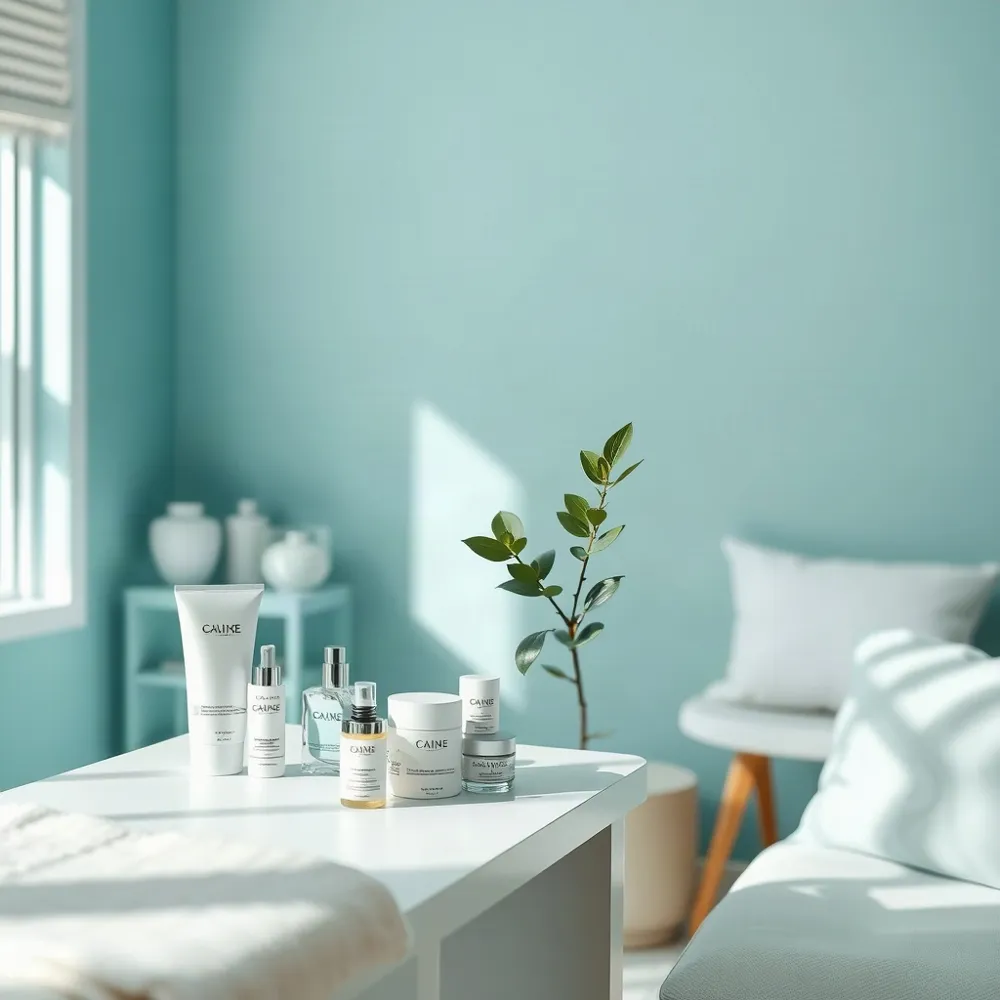 Integrative dermatology coordinates conventional skin care with selected complementary approaches in a plan shaped around the whole person. Rather than focusing only on a visible symptom, care may take account of health history, lifestyle, stress, and personal goals. This does not mean replacing medical treatment with wellness practices; it means considering appropriate options together.
Depending on the concern, a qualified clinician may discuss prescription medications or procedures alongside nutrition, sleep, stress management, and other lifestyle factors. A recent review of integrative skin care describes topical care and internal factors as potential complements, while emphasizing that evidence differs across approaches and products. A broader assessment can help make treatment choices more relevant to an individual, but it does not guarantee a particular result.
At Timeless Med Spa in Berlin, New Jersey, personalized skin and beauty treatments are intended to support natural enhancement and graceful aging. The practice’s focus on individual needs fits an approach that considers a person’s goals and circumstances when discussing aesthetic care. For background on coordinated conventional and complementary care, see this overview of integrative dermatology.
Complementary methods do not all have the same level of research behind them, and a practice that feels supportive for one person may not suit another. Before starting supplements, alternative therapies, or a new skin treatment, discuss them with a qualified medical professional. This is especially relevant when you take medication, have an ongoing health condition, or are considering a procedure. A professional can review possible interactions, risks, and suitability, and help ensure complementary care does not delay or replace necessary medical treatment.
What Energy Healing Involves
Energy healing, also called energy medicine, refers to complementary practices based on practitioners’ belief that a subtle energy flows through or around the body. This proposed energy field is not scientifically established, so it is best understood as part of the practices’ traditional framework, not a confirmed biological mechanism. Cleveland Clinic’s overview of energy healing explains this distinction.
Reiki is one example. A practitioner may place their hands lightly on the body or hold them just above it while focusing on channeling energy. Other distinct approaches include qigong, which combines movement and breathing; acupuncture, which uses thin needles at specific points; therapeutic touch, which involves hand movements on or above the body; and reflexology, which applies pressure to points on the hands, feet, or ears. These practices differ from one another and from medical aesthetic procedures.
People may seek an energy-healing session for relaxation, a sense of peace, or general well-being. Experiences vary, however, and these possible subjective aims should not be treated as guaranteed results or evidence of improved skin or cosmetic outcomes. At Timeless Med Spa, personalized skin and beauty treatments focus on natural enhancement and graceful aging; any complementary wellness practice should remain distinct from the purpose and expected effects of aesthetic care.
Evidence Limits and Practical Safety
Energy healing may be part of a personal wellness routine, but its proposed mechanisms and effects should be viewed cautiously. The Cleveland Clinic’s review of energy healing says strong scientific evidence has not established its effectiveness, and most techniques have not been thoroughly studied.
Some clinical trials suggest Reiki or acupuncture may offer health benefits, but the findings are not enough to support broad claims. More high-quality research is needed, and reliable success rates are unavailable for most methods. Reports of relaxation, peace, or better sleep describe possible wellness experiences, not proof that energy healing treats a skin condition or reverses aging.
That distinction matters when considering aesthetic care. There is no evidence in the cited source that energy healing improves cosmetic procedure results or changes skin quality. At Timeless Med Spa in Berlin, New Jersey, personalized skin and beauty treatments are planned around natural enhancement and graceful aging; any energy practice should remain a separate, optional wellness activity rather than an assumed part of treatment efficacy.
Energy practices are generally noninvasive and are described as having little risk, but a low-risk profile does not establish effectiveness or make every approach suitable for every person. Comfort, health history, and personal preferences still matter. Timeless Med Spa’s emphasis on personalized care supports discussing individual goals and concerns before choosing an aesthetic treatment, without treating complementary practices as a substitute for clinical assessment.
Before trying an energy-healing practice, discuss it with a primary care provider. Continue regular medical care, and do not use energy healing in place of diagnosis, prescribed treatment, or clinician-directed aesthetic care. A provider can help assess whether a complementary practice fits alongside existing care and identify any concerns specific to your health.
Keeping Wellness and Aesthetic Results Distinct
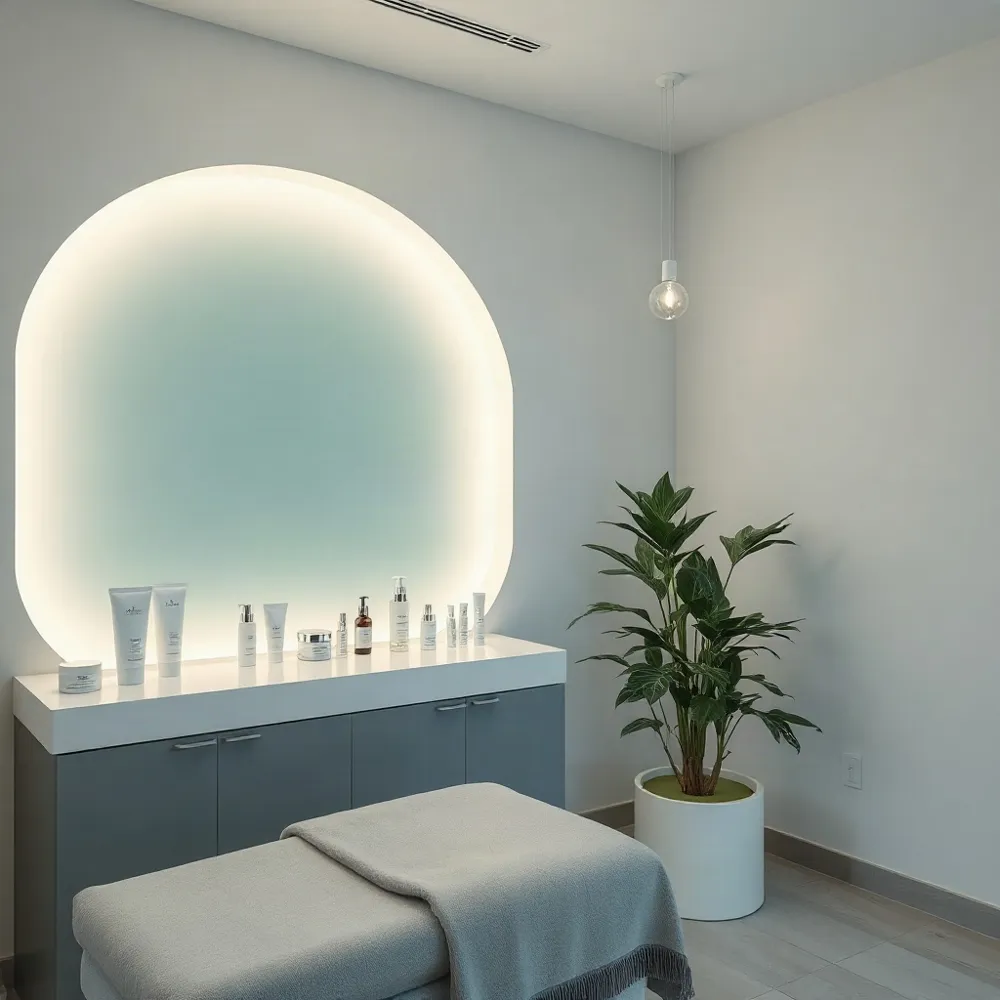 A person who finds Reiki or another energy practice relaxing may choose to include it in a broader self-care routine. At Timeless Med Spa in Berlin, New Jersey, personalized skin and beauty treatments are planned around natural enhancement and graceful aging; a relaxation practice can sit alongside that care without being presented as a cosmetic treatment.
Feeling calm or at ease is a personal experience, not evidence of a measurable change in skin or appearance. The Cleveland Clinic’s overview of energy healing notes that evidence for these practices is limited and does not establish that they improve aesthetic procedures or their results. Any sense of well-being should therefore be kept distinct from expectations about a procedure’s effects.
How energy practices differ from aesthetic devices
The word “energy” can refer to very different things. Reiki and similar practices rely on practitioners’ beliefs about energy flowing through or around the body. Lasers, radio frequency, ultrasound, intense pulsed light, and cryolipolysis are medical-aesthetic technologies that deliver forms of physical energy to tissue. They are not spiritual practices, and a wellness session should not be described as producing the same effects.
Device treatment calls for a professional assessment of the person, the concern being addressed, and whether a particular technology is appropriate. Safe use also depends on a trained practitioner selecting and applying the device properly. Timeless Med Spa’s focus on personalized skin and beauty care fits that individualized approach, while energy healing should not be used to replace a clinician’s assessment or to claim better device results.
Before adding a complementary practice to an aesthetic plan, discuss your goals, medical history, comfort with touch, and any wellness practices with qualified providers. This helps keep decisions personal and evidence-aware, while setting clear expectations about what is intended for relaxation and what is intended to address an aesthetic concern. Continue appropriate medical care rather than substituting an energy practice for it.
Readers interested in Reiki as an optional part of a wellness routine can also review how Reiki may fit into a med spa experience, with the distinction between personal relaxation and proven aesthetic effects kept clear.
A Personalized Path Forward
Aesthetic care can reflect more than a single skin concern. Personal preferences, comfort, and wellness routines may all inform the conversation, while treatment choices still depend on a qualified professional’s assessment. At Timeless Med Spa in Berlin, New Jersey, personalized skin and beauty treatments are intended to support natural enhancement and graceful aging.
Energy healing may be a relaxing addition to some people’s self-care, but it is not a proven way to change skin or improve cosmetic treatment results. It should remain separate from claims about what an aesthetic procedure can achieve, and it should never replace medical care. If you are considering Reiki or another complementary practice, discuss it with your healthcare provider, especially if you have a health condition or are receiving treatment.
Before choosing any service, ask what it is intended to do, what evidence supports it, what risks or alternatives apply, and how results will be assessed. Set goals that feel realistic for you, share your health history, and make sure everyone involved understands the role of each part of your plan. Clear communication helps keep personal wellness preferences and clinical decisions in their proper place.