A New Era for Your Skin's Surface
Laser resurfacing is a non-surgical treatment that uses concentrated light energy to improve the look and feel of your skin. By precisely targeting damaged outer layers, it stimulates the body's natural repair processes to reveal a smoother, firmer, and more even complexion.
This approach is commonly used to reduce fine lines, age spots, uneven skin texture, and mild to moderate acne scars. It cannot correct sagging skin, but it excels at refreshing surface tone and firmness. At Timeless Med Spa, the focus is on personalized care that delivers natural-looking results tailored to each individual's unique skin needs.
How Laser Energy Transforms Your Skin
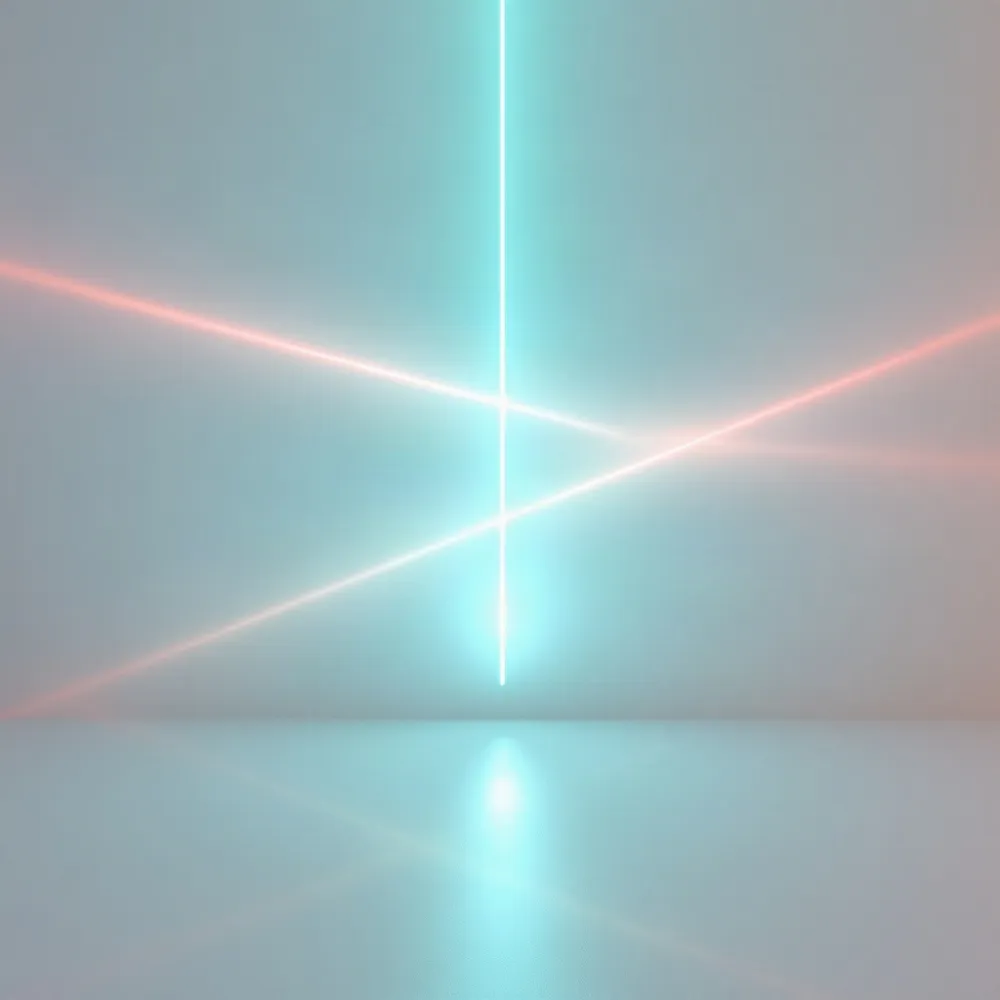 Laser skin rejuvenation works through a process called selective photothermolysis. The laser emits a specific wavelength of light that is absorbed by target chromophores in the skin — water, melanin, and hemoglobin. This absorption converts light energy into controlled heat, precisely affecting the intended tissue while sparing the surrounding area.
Ablative Lasers: Resurfacing from the Outside In
Ablative lasers vaporize the outer layer of skin (the epidermis) and heat the underlying dermis. This controlled injury triggers the body's natural wound-healing response, stimulating new collagen production. As the skin regenerates, it becomes firmer, smoother, and more even in tone. Conditions like fine wrinkles, sun damage, and acne scars respond well to this approach. At Timeless Med Spa, our practitioners tailor ablative settings to each client's unique skin type and concerns.
Nonablative Lasers: Gentle Stimulation Beneath the Surface
Nonablative lasers heat the dermis without damaging the epidermis. They also stimulate collagen growth but in a more gradual manner. This results in shorter recovery times — often just a few hours of mild redness — though multiple sessions (typically two to four) are needed for visible improvement in texture and tone.
Fractional Technology: Precision with Faster Healing
Fractional lasers create microscopic columns of treated tissue — microthermal treatment zones — while leaving the surrounding skin untouched. This pattern preserves healthy tissue that accelerates healing and reduces side effects compared to traditional full-surface treatments. Fractional technology can be used with both ablative and nonablative lasers, offering a middle ground between dramatic results and minimal downtime.
Ablative vs. Nonablative: Choosing Your Approach
The main distinction between laser treatments comes down to how they interact with the skin's surface. Ablative lasers remove the outer layer (epidermis) while heating the underlying dermis, triggering significant collagen production for dramatic, long-lasting results. In contrast, nonablative lasers deliver energy beneath the surface without harming the outer skin, offering a gentler path with minimal downtime and more subtle improvements over time.
Ablative Lasers. CO2 and erbium (Er:YAG) lasers are the most common ablative options. They vaporize damaged outer layers to address deep wrinkles, significant sun damage, and moderate acne scars. The trade-off is a recovery period of one to three weeks, during which new skin regenerates and collagen remodeling occurs.
Nonablative Lasers. Nd:YAG and intense pulsed light (IPL) devices heat the dermis while leaving the epidermis intact. These treatments require no downtime and are suitable for all skin types, including darker tones, because they carry a lower risk of pigmentation changes. Results appear gradually after multiple sessions (typically two to four).
Fractional technology can be applied to both ablative and nonablative approaches. It delivers laser energy in microscopic columns across the skin, leaving surrounding tissue untouched. This pattern speeds healing and reduces side effects compared with traditional full-surface treatments. Fractional delivery has become the widely preferred method for many procedures.
At Timeless Med Spa in Berlin, New Jersey, providers assess each patient's unique anatomy and goals during a consultation to recommend either an ablative or nonablative approach — often using fractional platforms for a balance of impact and manageable recovery.
Targeting Wrinkles and Texture: What Lasers Can Do
Laser resurfacing is a versatile tool that addresses a wide range of skin concerns. It can effectively reduce fine lines, wrinkles, age spots, sun damage, uneven texture, enlarged pores, and mild to moderate acne scars. The key is matching the laser type to the specific issue.
For deeper wrinkles and significant textural changes, ablative lasers such as CO2 are ideal. They remove the outer skin layer while heating the underlying tissue to stimulate collagen production. Nonablative and fractional lasers offer a gentler approach with less downtime, making them better suited for mild concerns and ongoing maintenance. At Timeless Med Spa in Berlin, New Jersey, clients receive a personalized assessment to determine which laser technology will best target their unique skin goals.
Results from laser resurfacing can be long-lasting, but they require consistent sun protection to maintain. New sun damage can reverse the improvements. Nonablative results tend to be gradual and progressive over multiple sessions, with patients noticing continued improvement in skin texture and color.
Fractional Lasers: Faster Healing, Powerful Results
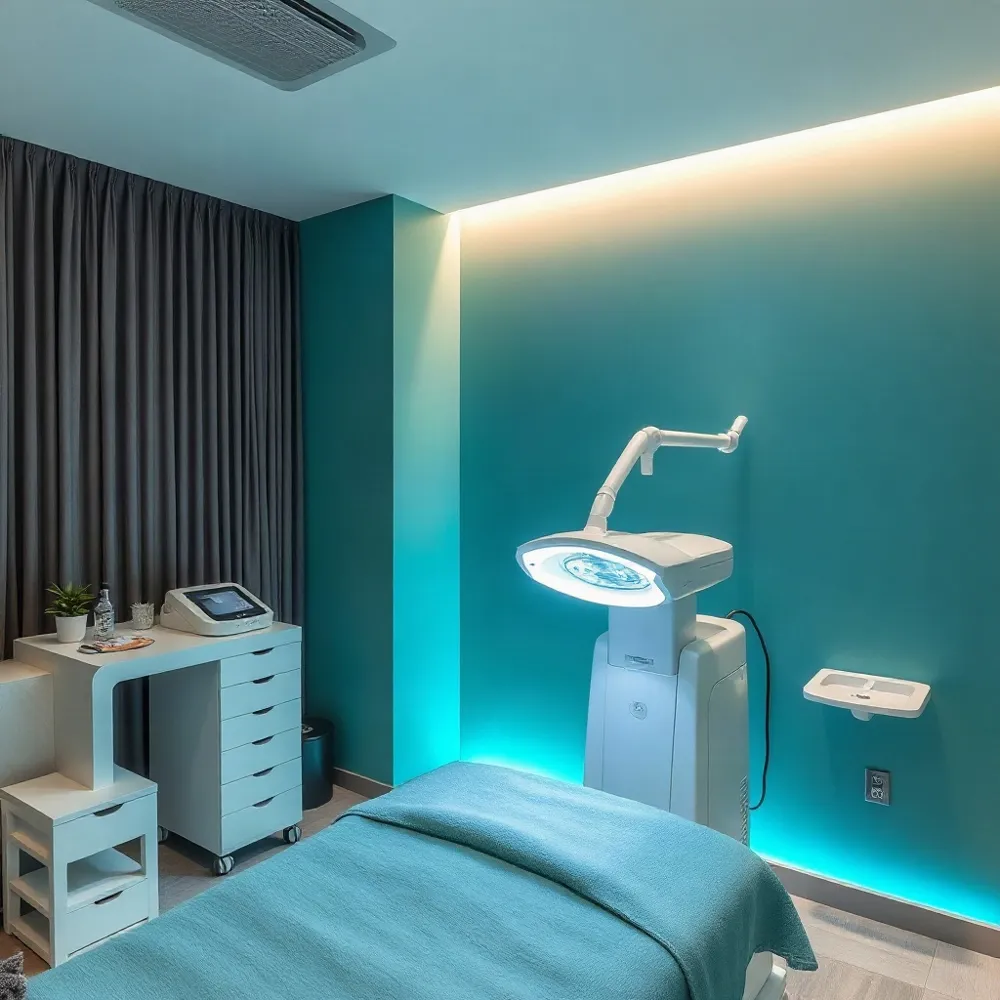 Fractional lasers represent a significant advancement in skin resurfacing technology. Instead of treating the entire surface at once, they create microscopic columns of treated tissue, known as microthermal treatment zones (MTZs), while leaving the surrounding skin untouched. This design speeds up healing and lowers the risk of side effects compared to traditional full-field ablative lasers.
A fractional laser can be either ablative or nonablative. An ablative fractional laser vaporizes small columns of skin, stimulating deep collagen remodeling. A nonablative fractional laser heats the dermis without breaking the surface, encouraging gentler renewal. Patients typically need 2 to 4 sessions for optimal results, with each session spaced weeks apart.
Hybrid Fractional Lasers
Hybrid fractional lasers combine both ablative and nonablative wavelengths in a single pass. This dual-action approach treats surface imperfections while simultaneously firming deeper layers, offering comprehensive rejuvenation with less downtime than older methods. At Timeless Med Spa, practitioners select between standalone fractional devices and hybrid systems based on each client's specific concerns and tolerance for recovery.
Selecting the Ideal Treatment for Your Unique Skin
With so many laser technologies available, it is natural to wonder which one delivers the best results for textured or aging skin. The answer is not a single device — the right choice depends on your skin type, specific concerns, and how much downtime you can accept. No single laser works best for everyone.
Fraxel (nonablative fractional) uses microscopic laser columns to stimulate collagen with minimal surface damage. It is an excellent first step for patients noticing fine lines and early pigmentation changes. For advanced resurfacing of deep wrinkles, scars, and sun damage, fractional CO2 laser resurfacing remains the most powerful option available.
Patients with darker skin tones need special consideration. Nonablative fractional lasers or Nd:YAG lasers are safer options because they target deeper layers without damaging the melanin-rich surface. According to Mayo Clinic, individuals with brown or Black skin have a higher risk of long-term changes in skin color after laser resurfacing, so selecting an expert who matches laser settings to your Fitzpatrick type is essential.
Personalized Consultations Make the Difference
Your age also influences which laser will serve you best. For a 70-year-old woman seeking dramatic rejuvenation, fractional CO2 laser resurfacing can address moderate to severe wrinkles and roughness by removing microscopic columns of damaged tissue and stimulating deep collagen growth. Gentler options like Clear + Brilliant or IPL alone may provide insufficient correction for advanced signs of aging but can be used alongside resurfacing treatments.
Timeless Med Spa provides personalized consultations to evaluate your unique needs seriously. Rather than offering a generic solution, our team reviews your skin's texture, pigmentation concerns, and healing capacity before recommending either Fraxel for gentle refreshment or fractional CO2 for deeper renewal. This tailored approach ensures each treatment aligns with your personal goals for natural enhancement and graceful aging.
What to Expect: Before and After the Procedure
Proper preparation is essential for a safe treatment and optimal outcome. A healthcare provider begins with a medical history review, a physical exam, and a discussion of your goals. You may be prescribed antiviral medication if you are prone to cold sores. In the weeks before your session, avoid sun exposure, stop smoking (at least two weeks prior), and discontinue medications that affect clotting, such as aspirin or ibuprofen.
During nonablative treatments, a topical numbing cream is applied and you remain awake. Ablative full-face procedures may involve sedation or general anesthesia for comfort. Treatment time ranges from 30 minutes for a small area to about two hours for the entire face.
Laser resurfacing cannot fix sagging skin — it targets texture, tone, and mild laxity through collagen stimulation. Immediately after healing begins, you will see a reduction in fine lines and uneven pigmentation, but final collagen remodeling takes several months. Ablative results are dramatic and can last for years; nonablative results are gradual and progressive. Many providers at locations like Timeless Med Spa tailor each plan to encourage natural enhancement and graceful aging.
Healing Timelines and What to Expect After Treatment
Choosing the right laser treatment starts with understanding the two main categories: ablative and non-ablative. Ablative lasers, such as CO2 and erbium, work by removing the outermost layers of skin to stimulate deeper collagen production and reveal fresh, smoother tissue. Non-ablative lasers, including many IPL treatments and certain non-invasive options, heat the underlying dermis without removing the surface, which means minimal downtime but more subtle results.
The choice between them often comes down to your skin concerns and how much recovery time you can afford. Ablative treatments deliver dramatic improvement for wrinkles, scars, and sun damage but require a healing period of 7 to 10 days for new skin to form, with full healing taking at least a month. Non-ablative options offer a gentler path, ideal for mild texture and tone issues, though they may need multiple sessions to achieve your desired outcome.
How Recovery Timelines Compare
Recovery expectations are a major deciding factor for most patients. With ablative resurfacing, you can expect redness and swelling that may persist for several weeks, and your skin will feel raw for the first week. Non-ablative procedures, by contrast, typically cause only mild redness that fades within a few hours to a day, allowing you to return to normal activities almost immediately. This faster recovery is a key reason many first-time patients start with non-invasive laser skin rejuvenation.
Ablative. Removes outer skin layers; best for deep wrinkles, acne scars, and significant sun damage. Recovery takes 1–3 weeks with visible redness that can linger for 2 to 3 months. Results are dramatic and long-lasting.
Non-Ablative. Heats the dermis without removing the surface; ideal for mild texture, fine lines, and redness. No downtime, but multiple sessions are often required. Results are subtler and build over time, making it a popular choice for maintenance.
Understanding these differences helps you set realistic expectations. For deeper concerns that warrant a more aggressive approach, ablative resurfacing offers proven, transformative outcomes. For those seeking gradual improvement without time off work, non-ablative lasers provide a convenient alternative. A consultation with a specialist can help match the right technology to your skin type and goals.
| Ablative | Non-Ablative |
|---|---|
| Removes outer skin layers | Heats dermis only |
| High downtime (1-3 weeks) | Minimal downtime |
| Dramatic results | Subtle, gradual results |
| Best for deep scars, wrinkles | Best for mild texture, redness |
Managing Side Effects and Risks Safely
Laser. Ablative lasers remove outer skin layers to spur deep collagen remodeling, while non-ablative devices heat the dermis without breaking the surface, often requiring multiple sessions to reach similar results.
IPL. Intense pulsed light uses broad-spectrum light to target pigment and redness rather than ablating tissue, making it a lighter-duty option for superficial discoloration with minimal downtime.
Hybrid. Combining ablative and non-ablative wavelengths or pairing fractional resurfacing with a vascular laser can address texture and tone together, often delivering more dramatic improvements in a single treatment plan.
Post-Treatment Do's and Don'ts for Optimal Results
After your treatment, your skin's protective barrier is temporarily compromised, so choosing the right products is a critical step in your recovery. Focus on gentle, fragrance-free cleansers and rich, soothing moisturizers that support hydration without irritation. Products containing ceramides, hyaluronic acid, and peptides help repair the skin barrier and lock in moisture, which is essential for optimal healing. For several days, skip active ingredients like retinoids, glycolic acid, and vitamin C unless your provider specifically approves them, as these can over-stimulate already sensitive skin. Consider a gentle barrier repair cream and a non-comedogenic moisturizer applied generously to reduce dryness and peeling.
Sun protection is non-negotiable after laser energy transforms your skin's surface. Your fresh skin is highly vulnerable to UV damage, which can reverse your results and lead to hyperpigmentation. Apply a broad-spectrum, mineral-based sunscreen with at least SPF 30 every single day, even when overcast, and reapply every two hours if you're outdoors. For the first week, minimize sun exposure by seeking shade and wearing a wide-brimmed hat, and remember that proper post-treatment care avoids picking or scratching treated skin to prevent infection and scarring.
The Right Cleanse and Moisture Balance
Keeping your skin clean is important, but avoid hot water, harsh scrubs, and washcloths for the first few days. Instead, use lukewarm water and gently pat your skin dry with a soft towel. Follow with a soothing moisturizer immediately while your skin is still slightly damp to trap hydration. If your skin feels tight or begins to flake, resist the urge to exfoliate; instead, increase your moisturizer or apply a healing ointment like petroleum jelly to protect the new skin layer as it regenerates.
Some providers recommend using cool compresses and gentle, non-comedogenic serums to calm inflammation, which can make the recovery period more comfortable. Products with ingredients like aloe vera or oat extract can further soothe the skin. Always follow the specific aftercare instructions you receive from your provider—like those covered in our guide on post-treatment dos and don'ts for optimal healing—to ensure you don't accidentally disrupt the healing process.
As your skin heals, you may notice peeling, swelling, or changes in pigmentation, which are normal parts of the rejuvenation process. Avoid picking or scratching, and allow any crusting to fall off naturally. Remember that you can resume your full cosmetic routine once your provider gives the green light, typically within a week depending on the intensity of your treatment. For those curious about what to expect from other resurfacing methods, our article on benefits of non-invasive laser skin resurfacing compares recovery times and outcomes. Ultimately, tailoring your skincare to support your skin's natural repair cycle is the best way to achieve lasting, radiant results.
| Skincare Step | Key Products to Use | What to Avoid | Why It Matters |
|---|---|---|---|
| Cleansing | Gentle, fragrance-free cleanser; lukewarm water | Hot water, washcloths, harsh scrubs | Prevents further irritation and infection |
| Moisturizing | Rich, ceramide-based cream; hydrating serum | Retinoids, acids, heavy oils | Restores barrier and locks in moisture |
| Sun Protection | Mineral SPF 30+ broad-spectrum | Chemical sunscreens, prolonged sun exposure | Prevents hyperpigmentation and protects healing skin |
| Soothing | Aloe vera, oat extract, cool compresses | Exfoliating brushes, active ingredients | Reduces inflammation and minimizes discomfort |
Are Multiple Sessions Needed?
Laser skin resurfacing works by delivering controlled pulses of light energy into the skin. This energy is absorbed by water, pigment, or blood vessels, depending on the treatment. The resulting heat triggers a natural healing response that removes damaged outer layers and stimulates collagen production beneath the surface. This dual action is what makes the procedure effective for a wide range of concerns, from fine lines to uneven tone and texture.
Different lasers are selected based on your skin type and specific goals. Erbium and CO2 lasers target water to vaporize the upper layers of skin, while non-ablative and fractional devices work by heating deeper tissue through microscopic columns, leaving surrounding skin intact. Fractional treatments, in particular, allow for meaningful remodeling with shorter recovery periods. Research published in the National Institute of Health's article on current laser resurfacing technologies explains how these varying depths of action influence both results and downtime.
Stimulating Collagen for Long-Term Benefits
One of the primary ways laser resurfacing transforms the skin is by triggering the body's own production of collagen and elasticin. As the treated areas heal, new collagen fibers form, which helps plump the skin from within and smooth out fine lines over time. A review by Mayo Clinic highlights that this stimulation is central to the procedure's rejuvenating effects.
For many patients, the results are cumulative. Instead of a single dramatic change, repeated treatments build on each other. As explained in a comprehensive guide to modern skin rejuvenation techniques, these techniques work by gently exfoliating the outermost layer or stimulating the skin's natural repair processes. This approach makes them ideal for addressing a variety of concerns while still allowing for natural-looking outcomes.
Addressing Specific Skin Concerns
Whether you're concerned about sun damage, age spots, or uneven texture, there's likely a laser that can target it directly. For pigmentation issues, laser and IPL treatments can be highly effective, as they specifically target the melanin responsible for dark spots. Nonablative lasers and IPL use different mechanisms, which is why combining them sometimes offers superior results for stubborn discoloration.
Similarly, if your primary concern is rough texture or acne scars, targeted laser treatments can help smooth the skin's surface. Techniques like those described in targeted laser treatments for uneven skin texture stimulate collagen and encourage the growth of new, healthier cells. This personalized approach means that no two treatment plans need to look the same.
| Treatment Type | Depth of Action | Ideal For |
|---|---|---|
| Ablative (CO2, Erbium) | Removes outer layers | Deep wrinkles, significant sun damage |
| Nonablative | Heats dermis, leaves top layers intact | Mild wrinkles, skin tone |
| Fractional | Microscopic columns, spares surrounding tissue | Refining texture, scars, moderate changes |
At Timeless Med Spa in Berlin, New Jersey, skin resurfacing is never a one-size-fits-all proposition. We start with a detailed consultation to understand your unique skin goals, then match them to the most appropriate laser or combination of treatments. Whether you're looking for a non-invasive refresher or a more substantial change, our team builds a plan around your skin's needs and your schedule.
Many patients wonder how many sessions they'll need. That answer varies, but nonablative and fractional treatments often require 2–6 sessions spaced weeks apart for optimal, cumulative results, as noted in our discussion of non-invasive laser treatments. During your consultation at Timeless, we'll map out a realistic timeline and help you understand what each step will achieve.
Understanding the Cost of Your Rejuvenation Journey
 The price of laser skin resurfacing is one of the first questions people ask, and for good reason. It is a meaningful investment in your appearance. While the exact amount depends on the technology, the size of the treatment area, and your provider's expertise, most sessions land between $500 and $2,000+. That range can feel wide, so understanding what drives the cost helps you plan realistically and avoid surprises.
Several factors come into play. A smaller area like the area around the eyes costs less than a full-face treatment, simply because fewer laser pulses are needed. The type of laser also matters. Ablative lasers, which remove the top layers of skin, typically cost more than non-ablative options that work more gently below the surface. The number of sessions required is another variable. Many people need three to five visits to achieve their desired outcome, and that multiplies the total investment.
Ablative vs. Non-Ablative: What Drives the Price Tag
Ablative lasers, such as CO2 and erbium, are the heavy hitters. They vaporize the outer skin to stimulate deep collagen remodeling, making them effective for wrinkles and scars, but they come with longer recovery times and a higher per-session price. Non-ablative lasers work by heating the dermis without damaging the surface, offering minimal downtime at a lower cost per treatment. The trade-off is that non-ablative options often require more sessions to achieve similar skin-tightening results.
For many patients, the best value isn't the cheapest per-session rate but the total plan cost. A provider who recommends a slightly higher-priced laser that delivers results in three sessions may end up costing less than a lower-priced option requiring six visits. When you meet with a specialist, ask for a breakdown of the total number of sessions and any additional costs for numbing cream, post-treatment skincare, or follow-up appointments.
What to Expect From a Treatment Plan
Most reputable providers start with a consultation to assess your skin type and desired outcome, then build a personalized plan. Laser resurfacing is not a one-size-fits-all procedure. A skilled practitioner will tailor the laser parameters to your skin's needs, whether that means treating hyperpigmentation with IPL or addressing fine lines with a fractional laser.
When comparing options, look at the entire picture rather than just the sticker price. A clinic that offers free consultations, transparent pricing, and a clear explanation of post-treatment care often provides better long-term value than one that quotes a rock-bottom number but adds hidden fees. Understanding the cost of your rejuvenation journey helps you make a confident decision.
| Factor | Impact on Cost | Why It Matters |
|---|---|---|
| Treatment area | Smaller areas cost less | Eyes or lips are cheaper than full face |
| Laser type | Ablative costs more | Deeper treatment, more downtime |
| Number of sessions | Multiplies total cost | Plan for 3-5 visits typically |
| Provider expertise | Higher for experienced pros | Better results, fewer complications |
| Location and clinic | Varies by region | Urban med spas often charge more |
Your Path to Smoother, Youthful Skin
A skilled provider never delivers a one-size-fits-all session. Instead, your personalized treatment plan begins with a detailed skin assessment. The provider evaluates your skin type, tone, and history of sun damage or hyperpigmentation, then adjusts the laser's wavelength and intensity accordingly. This individualized calibration is the difference between natural-looking improvement and a result that looks harsh or overdone. The goal is always to enhance what is already there, supporting a refreshed appearance rather than a dramatic change.
For deeper concerns like uneven texture or stubborn pigmentation, targeted laser treatments can precisely address specific problem areas while leaving surrounding tissue untouched. Similarly, combining IPL with laser treatments allows the provider to tackle multiple concerns, such as redness and brown spots, in a single coordinated session. Each approach is selected based on your skin's unique response, ensuring that the treatment feels tailored rather than routine. This thoughtful matching is what separates results that look natural from those that appear obvious.
Skin type. Fitzpatrick skin types I to VI respond differently to laser energy. A skilled provider adjusts settings to minimize risk for darker skin tones, which are more prone to hyperpigmentation or hypopigmentation after resurfacing. This precision is a core reason why professional assessment matters more than self-selecting a generic laser package.
Concern area. The treatment zone influences both the laser type and the number of sessions needed. Fine lines around the eyes may require gentler, non-ablative resurfacing, while deeper wrinkles on the cheeks respond better to more aggressive approaches. Customization ensures each area gets exactly the right energy.
Downtime. Your schedule matters when planning treatment. Some clients prefer minimal disruption and can accommodate a few days of redness; others want deeper results and can plan for a longer recovery period. Your provider crafts a timeline that fits your life, not just your skin.
Personalization doesn't end when you leave the clinic. Aftercare guidance is equally individualized, covering everything from sun avoidance to the use of gentle cleansers and moisturizers. The non-invasive laser resurfacing approach minimizes disruption to your daily routine while still encouraging collagen production and cellular renewal. Your provider will also schedule follow-up visits to monitor your skin's response and adjust the treatment plan if needed, ensuring you stay on track toward your aesthetic goals. With this level of attention, the process feels less like a medical procedure and more like a partnership in your skin's long-term health.
| Customization Element | Examples | Why It Matters |
|---|---|---|
| Wavelength | Ablative, non-ablative, IPL | Targets different layers and chromophores for safe, effective results. |
| Session count | 1 to 6, spaced 2 to 6 weeks | Builds collagen gradually; avoids over-treating and minimizes downtime. |
| Aftercare protocol | Sun protection, gentle cleansing, moisturizing | Protects healing skin and optimizes the final outcome. |
When customization is done well, the result is a subtle yet noticeable improvement that others can't quite place. Your skin looks rested, brighter, and more even. The process reinforces a philosophy of natural enhancement and graceful aging, ensuring that every treatment session brings you closer to a version of yourself that feels both familiar and refreshed.