A Gentle Introduction to Reiki
Reiki is a complementary wellness practice rooted in Japanese traditions. Practitioners typically place their hands lightly on the body or hold them just above it, moving through a series of positions while the recipient rests. Unlike massage, Reiki does not involve rubbing, kneading, or pressure. The practice is often described as an opportunity for quiet and relaxation, though its proposed energy mechanism has not been established by scientific evidence. Cleveland Clinic’s overview of Reiki explains both the session approach and the limits of current evidence.
There is no single standard session format. Practitioners may work in wellness centers, healthcare settings, or other quiet spaces, and the length and sequence of a session can vary. Some sessions include direct, gentle touch; others use hands held above the body. People’s responses differ too: some report relaxation or warmth, while others notice little. The University of Minnesota’s guide to a typical Reiki session describes these variations and recommends discussing comfort needs with the practitioner beforehand.
At Timeless Med Spa in Berlin, New Jersey, Reiki can be considered as an optional wellness experience alongside the spa’s personalized aesthetic and skin treatments, not as a promised beauty or medical result. This guide explains what may happen before, during, and after a session so first-time clients can ask informed questions and decide what feels comfortable.
How Reiki Sessions Are Arranged
 Reiki sessions do not follow one fixed format. They may be offered by a trained practitioner or healthcare provider, by a trusted friend or family member, or as self-Reiki after training. The person providing Reiki and the setting can shape how the visit is arranged.
A session might take place in a quiet wellness space, a healthcare environment, or someone’s home. A calm, undisturbed room can make it easier to rest, but it is not essential. Practitioners may use soft music to soften background noise, while others offer silence. Asking about sound preferences and the general setup before booking can help you decide whether the arrangement feels comfortable.
Length varies with the setting and practitioner. Reiki offered in a hospital, hospice, or similar healthcare environment may last about 15 to 20 minutes, while some private sessions run as long as 90 minutes. WebMD describes 60 to 90 minutes as common, but timing is not standardized, so confirm the planned duration when arranging a visit. The University of Minnesota’s guide to a typical Reiki session also notes that format and length differ across practitioners and settings.
At Timeless Med Spa in Berlin, New Jersey, Reiki is presented within a broader setting focused on personalized aesthetic and wellness care. Whether you are considering a med-spa appointment or another type of session, ask who will provide the service, how the room is prepared, and whether you can choose music or quiet. Those practical details can make the experience feel more predictable without implying that every provider uses the same approach.
Preparing for Your Appointment
Before booking, choose a practitioner you feel comfortable with and ask for a plain explanation of how the session will unfold. At Timeless Med Spa in Berlin, New Jersey, a personalized approach means you can raise comfort needs and clarify what to expect before the session begins. The University of Minnesota’s Reiki session guide also recommends understanding the session structure in advance.
The practitioner may ask about your health, comfort, and positioning needs, and may use an intake or consent form. These practices differ: a medical-style health interview is not universal in Reiki. Forms and questions help establish what feels appropriate for you, but they are not a substitute for medical assessment.
Tell the practitioner about anything that could affect how you lie or whether touch is comfortable. This may include pregnancy, difficulty lying flat, digestive concerns, recent surgery, tender scars, or areas sensitive to touch. You can discuss whether hands will rest lightly on the body or be held just above it, and ask to review the planned hand placements before the session.
Small practical requests can make it easier to settle in. Ask whether you can have music or prefer silence, request a blanket or support under your knees, and use the restroom beforehand. If you are unsure about any part of the process, ask questions before the session starts.
You can also request an adjustment at any point, including a change in position or more support. A practitioner should explain options and respect your comfort and boundaries. You do not need to stay still or tolerate anything that feels uncomfortable.
What Happens During the Session
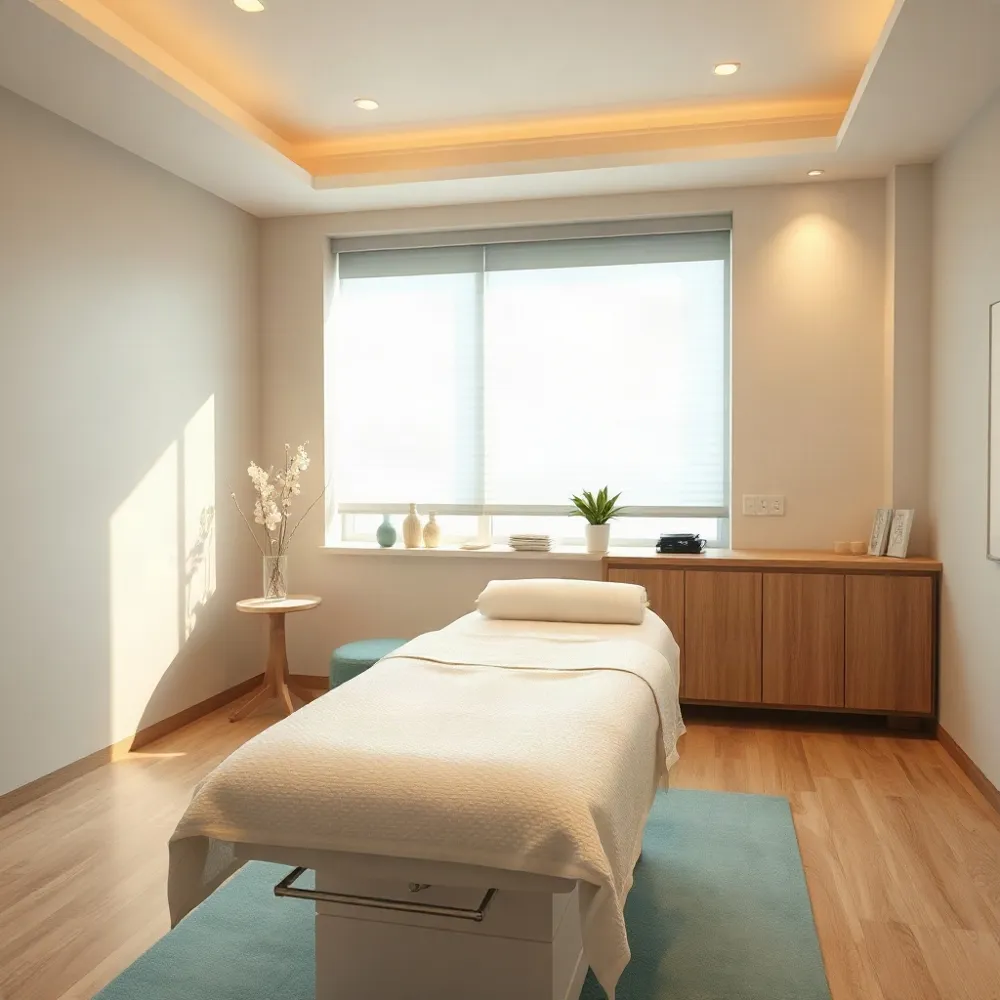
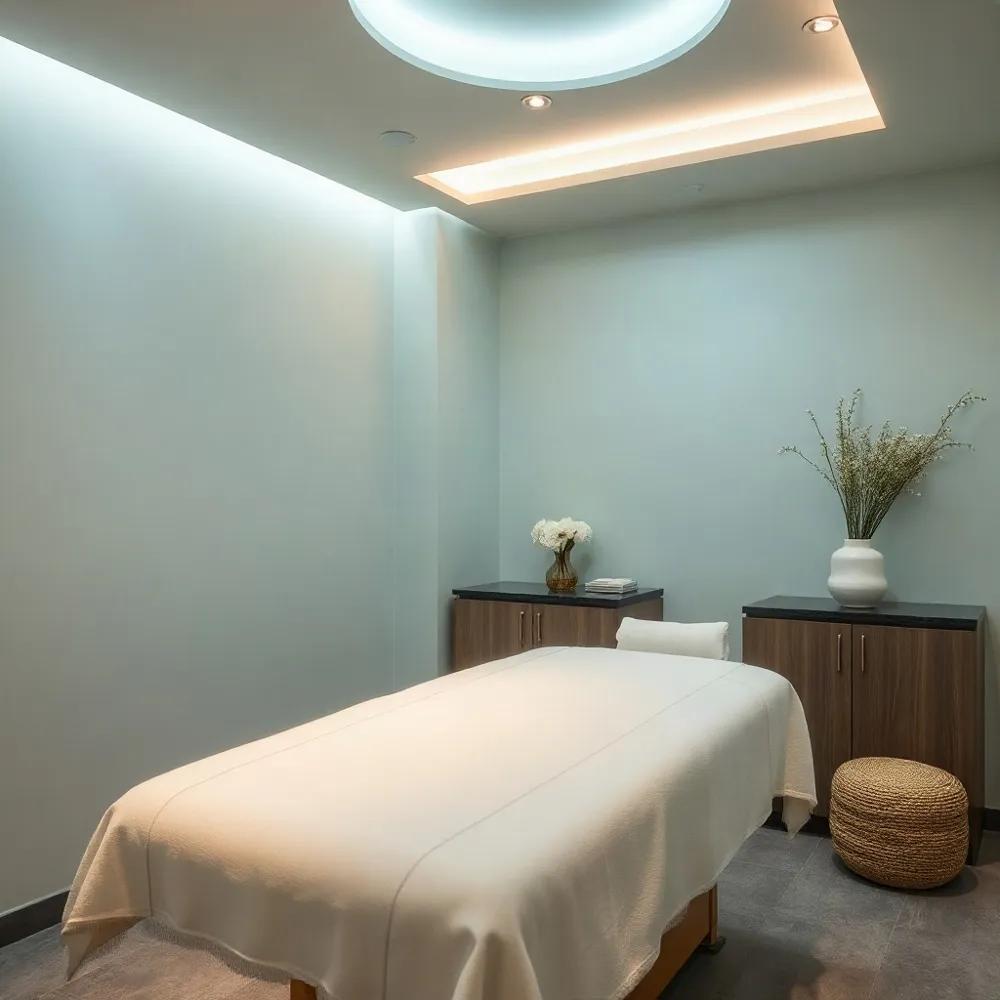 A Reiki appointment is usually quiet and still, rather than physically active. At Timeless Med Spa, the session can be understood as a gentle wellness experience, not a massage or a skin treatment. The exact approach may differ by practitioner, so you can ask what to expect before settling in.
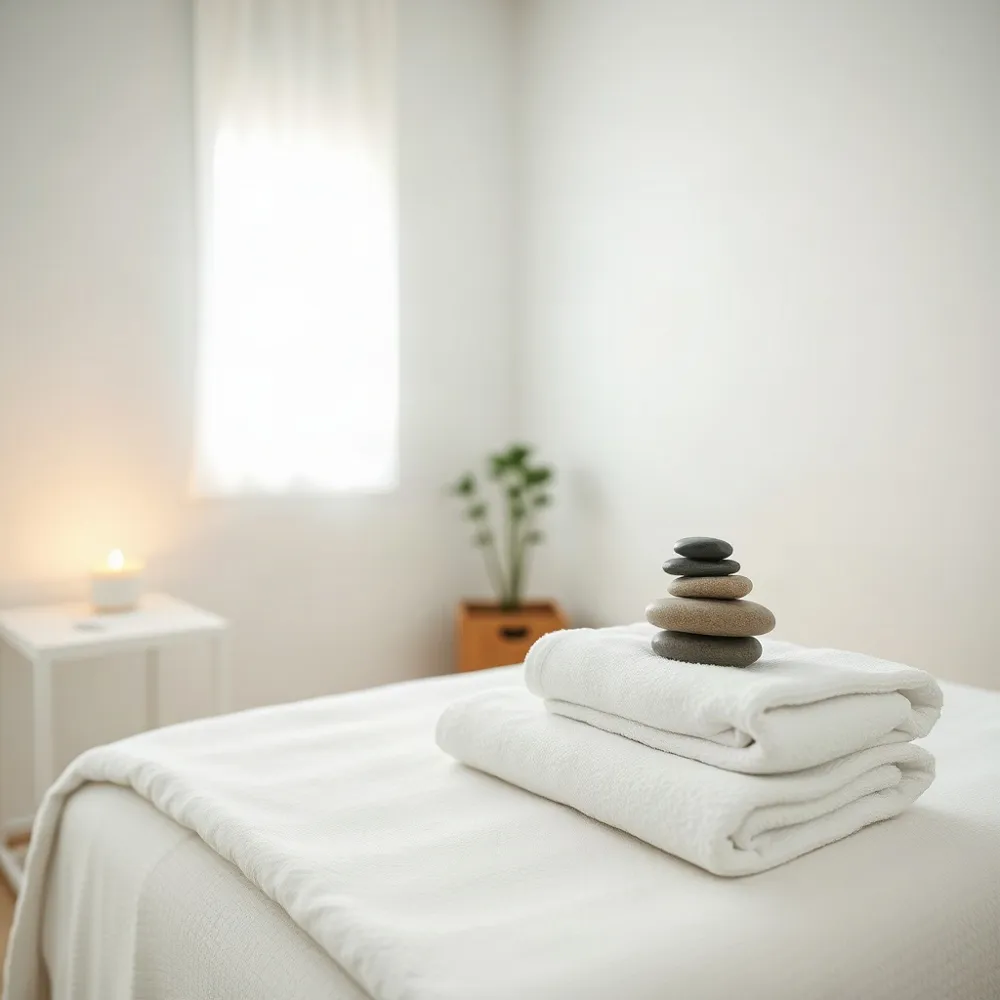
You generally remain fully clothed and lie on a treatment table, or sit in a comfortable, supported chair. The practitioner then moves through a series of hand positions, commonly around the head and the front and back of the torso. Placements may also be adapted to the limbs, for example when the practitioner is working around an injury or a sensitive area. The University of Minnesota’s typical Reiki session guide describes this range of arrangements and emphasizes that a recipient can discuss comfort needs in advance.
Unlike massage, Reiki does not involve rubbing, kneading, applied pressure, or manipulation of the joints. The practitioner may rest their hands lightly on the body or hold them just above it. A no-contact approach can be used wherever touch would be unsuitable, such as near an open wound or burn, and some practitioners use hovering hands throughout the session. The Cleveland Clinic’s description of Reiki likewise distinguishes still hand placements from massage techniques.
Touch should remain appropriate, gentle, and nonintrusive. You can ask the practitioner to explain or demonstrate the planned placements beforehand, request that hands remain above the body, or speak up if you want a position or approach changed. If lying in one position becomes uncomfortable, ask to adjust or sit up. A session should allow you to communicate your preferences, rather than requiring you to tolerate contact or positioning that does not feel right.
Before beginning, let the practitioner know about any areas that are tender or especially sensitive, or any reason a particular position may be difficult. This is especially useful when a recent procedure, scar, or other concern affects where touch is comfortable. Timeless Med Spa’s personalized approach to aesthetic care makes clear communication about comfort and individual needs relevant to the experience, while Reiki itself remains a complementary wellness practice rather than medical treatment.
Sensations and Responses Can Vary
During a Reiki session, some people notice warmth or coolness near the practitioner’s hands, subtle pulsations, or a growing sense of ease. Others become drowsy or feel as if they have entered a quiet, meditative state. These sensations are personal responses, not signs that the session is working in a measurable or guaranteed way. The University of Minnesota’s description of a typical Reiki session notes that experiences can range from noticeable sensations to very little during the appointment.
A first visit may feel uneventful, even if the person feels calmer or more refreshed afterward. Someone else may notice clearer thoughts, relaxation, or a sleepy feeling while the session is underway. Neither response is more correct than the other, and a quiet experience does not mean a person has missed anything.
Responses can also differ from one appointment to the next. Room conditions, comfort, and the practitioner’s interaction may contribute to how restful the time feels, while the proposed energy mechanism behind Reiki has not been established by scientific evidence. Cleveland Clinic describes relaxation and other reported sensations as individual experiences rather than predictable effects of Reiki.
At Timeless Med Spa, Reiki is presented as an optional wellness experience within a setting focused on personalized care, not as a promise of a particular physical or emotional result. The same practical approach applies to the session itself: recipients do not need to make themselves relax or concentrate on achieving a sensation.
Instead, a person can let their thoughts wander, listen to music if it is offered, notice their breathing, or simply remain aware of the room. If a position feels uncomfortable, they can speak up and ask to adjust. Those who would like to understand the possible hand placements before beginning can ask the practitioner to explain them, helping the experience feel more comfortable and predictable.
Understanding Reiki Claims and Evidence
 Reiki is traditionally explained as a practice in which a practitioner channels universal life-force energy through the hands. That description reflects Reiki’s own framework, not a mechanism established by science. The proposed energy has not been demonstrated, as the Cleveland Clinic’s overview of Reiki explains. A brief account of this traditional view and its limits is also available in this overview of Reiki’s foundations.
Some people describe feeling calmer or more relaxed during or after a session; others notice little. These personal responses can be meaningful to the person experiencing them, but they do not show that Reiki reliably changes health or treats a condition. A quiet setting, time set aside to rest, and a reassuring interaction may also contribute to relaxation, without confirming Reiki’s proposed energy mechanism.
Research has not established Reiki as an effective treatment for disease or demonstrated dependable effects on pain, anxiety, sleep, or other health concerns. Available studies have limitations, including small samples and reliance on subjective reports, which can be influenced by expectations. For that reason, reported benefits should be described as individual experiences, not promised outcomes or proof of medical effect.
At Timeless Med Spa in Berlin, New Jersey, Reiki belongs in the context of an optional wellness experience, not a skin or beauty treatment. It should not be presented as a way to improve skin, reverse aging, or replace an evidence-based cosmetic service. Anyone considering Reiki for general relaxation can ask what the session involves and decide whether the experience feels appropriate for them.
Reiki is best considered complementary to, rather than a replacement for, healthcare. It does not provide a medical diagnosis, and it should not take the place of medical evaluation, prescribed treatment, or advice from a healthcare professional. People with persistent symptoms or a diagnosed condition should continue their usual care and discuss complementary practices with their clinician, particularly if they are considering changes to treatment.
After the Session
The first moments after Reiki may feel quiet and unhurried. Recipients commonly report feeling calm, refreshed, or mentally clear, and some say they sleep well afterward. Others notice little change, or feel more tired than usual that evening. These are personal responses, not promised outcomes, as the University of Minnesota’s guide to a typical Reiki session explains.
Some people describe changes later in the day, such as feeling more centered or less reactive. Others may not notice any later effects. Experiences can differ from one person to another, so it may help to simply observe how you feel rather than expect a particular result.
A practitioner may offer general after-care suggestions, such as drinking water and paying attention to your body’s needs. Reiki practitioners do not diagnose health conditions as part of a session, and a sensation or mood change afterward should not be taken as evidence that a medical issue has improved.
Give yourself a little time to get up and return to your usual routine, especially if you feel sleepy or deeply relaxed. At Timeless Med Spa in Berlin, New Jersey, Reiki is presented as a complementary wellness experience, not a replacement for medical evaluation or treatment. If you have ongoing symptoms or health concerns, discuss them with a qualified healthcare professional.
Considering Follow-Up Sessions
If you are considering another Reiki appointment, treat it as a personal choice rather than a required course. The University of Minnesota’s guidance on typical Reiki sessions describes four sessions as a traditional recommendation, giving recipients time to reflect on their own experience. It does not mean everyone will notice a benefit or need the same number of visits.
Discuss timing with the practitioner and consider your comfort, schedule, and reasons for returning. Some people may prefer to leave time between appointments to assess how they feel; others may choose a different pace. At Timeless Med Spa in Berlin, New Jersey, Reiki can be considered as an optional wellness experience alongside the spa’s personalized aesthetic services, not as a substitute for medical care.
For a serious health challenge, Reiki practitioners may recommend four sessions over four days. This is a practice recommendation, not an established medical protocol or evidence that Reiki treats the underlying condition. Anyone considering Reiki while managing a health concern should continue appropriate care and speak with a healthcare professional about treatment decisions.
A follow-up visit should make sense for you, not be driven by a promise of results. If you return, use the appointment to check in about comfort and expectations, and decide whether the experience feels worthwhile. Do not postpone evaluation, prescribed treatment, or follow-up with a clinician in order to complete Reiki sessions.
A Clear-Eyed First Visit
A first Reiki appointment is generally a quiet, non-invasive experience, but the setting, hand placements, and amount of conversation can differ by practitioner. Some people feel relaxed or notice warmth; others notice little during the session. These are personal responses, not guaranteed outcomes, as the University of Minnesota’s session guide explains.
Before settling in, ask what the practitioner plans to do and whether they use light touch or keep their hands above the body. Share any needs that affect comfort, such as difficulty lying flat, sensitive areas, or a preference for silence. At Timeless Med Spa in Berlin, New Jersey, personalized aesthetic care is part of the setting; a clear conversation about your comfort can help make a Reiki visit feel more familiar and manageable.
Keep expectations realistic: Reiki may offer a calm period of rest, but it is not a substitute for medical evaluation or proven treatment. The Cleveland Clinic’s overview of Reiki notes that its proposed energy mechanism and specific health benefits have not been established by rigorous evidence. If you have symptoms or a health concern, speak with a qualified healthcare professional and continue any recommended care.